
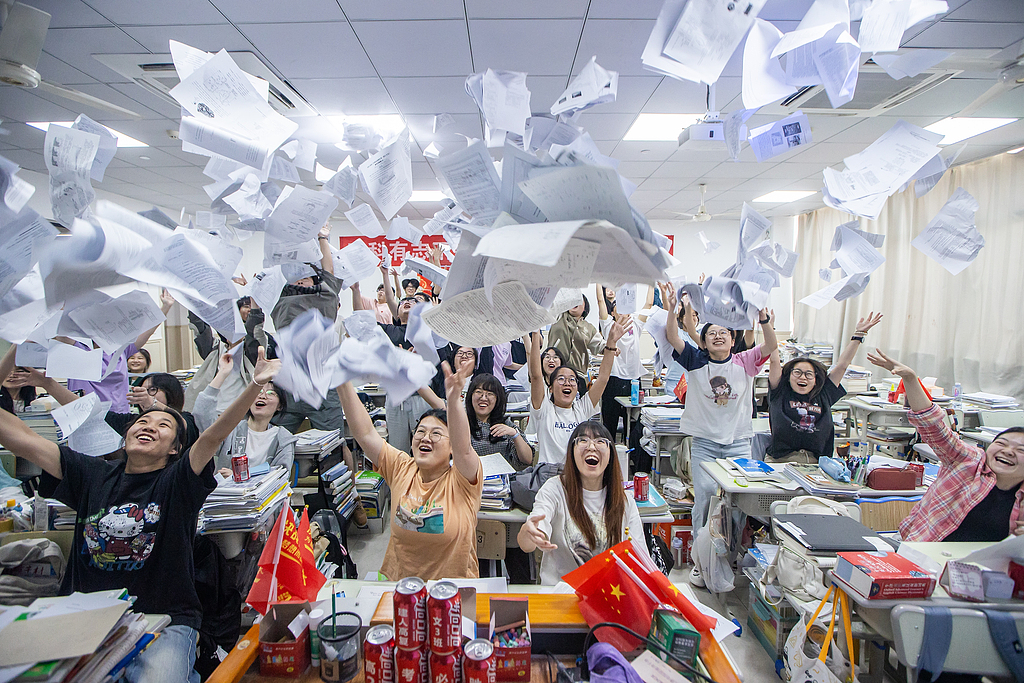
According to Xinhua News, on June 9, 2026, the final day of the 2026 Gaokao, students across China celebrated the end of the exam by engaging in leisure activities and seeking part-time employment. The conclusion of this high-stakes examination marks a significant cultural and psychological transition for millions of Chinese teenagers, signaling the end of a grueling preparatory phase that often spans the entirety of their secondary school education.
Post-Exam Celebrations and Workforce Participation
Post-Exam Celebrations
The Gaokao, China’s national college entrance examination, concluded its final session on June 9, 2026, after three days of rigorous testing. Reports from multiple provinces indicate that students immediately began marking the end of the exam with social gatherings, travel, and informal celebrations. In Beijing, Shanghai, and Guangzhou, public spaces saw increased foot traffic as graduates met friends, visited family, and attended school-organized farewell events. For many, this marks the first period of sustained unstructured time in years, as the months leading up to the Gaokao are typically defined by intensive study schedules, mock exams, and significant parental pressure to secure high scores that determine university placement.
Part-Time Job Trends
Beyond leisure, many students turned to temporary employment, a trend documented by the China Youth Daily. The outlet cited surveys showing that 38% of 2026 Gaokao candidates planned to work part-time during the summer, a 12% increase from 2025. Common roles included retail positions, tutoring, and delivery services. “I want to earn some money for college and gain experience,” said Li Ming, a graduate from Hangzhou, quoted in the report. This trend suggests a growing interest among Chinese youth in financial autonomy and early exposure to the labor market, moving away from the traditional model where the summer after the Gaokao was reserved exclusively for rest or intensive preparatory coursework for university-level subjects.
Societal Debate on Academic and Practical Skill Acquisition
Educational Impact and Anxiety
The shift toward post-exam employment reflects broader concerns about the Gaokao’s role in shaping students’ futures. A June 2026 survey by the Chinese Academy of Social Sciences found that 62% of parents believed part-time work helped students develop practical skills, while 28% expressed worry about reduced study time. The National Education Commission declined to comment on the trend, citing ongoing evaluations of exam-related policies. The tension between academic excellence and practical skill acquisition remains a central topic in Chinese educational discourse, particularly as the job market for university graduates becomes increasingly competitive.
Regional Variations in Post-Graduate Opportunities
Regional Variations
Celebrations and employment patterns varied by region. In rural areas, students often returned to family farms or local businesses, while urban graduates prioritized travel or internships. The Shanghai Education Bureau noted a 20% rise in summer internship applications compared to 2025, though officials emphasized that these opportunities remained competitive. In metropolitan hubs, the prevalence of white-collar internship programs allows students to gain exposure to sectors like technology, finance, and marketing, effectively bridging the gap between secondary education and professional life.

The Gaokao Context
The Gaokao is widely recognized as one of the most significant events in the Chinese academic calendar. Its results serve as the primary criterion for admission to almost all higher education institutions in the country. Because the exam is held only once a year, the pressure on students is immense. Historically, the period following the exam is characterized by a “release” phenomenon, where students seek to reclaim the social lives sacrificed for their studies. The increasing pivot toward part-time work indicates a shift in how this “release” is managed, with more students seeking to leverage the break for personal development rather than mere recreation.
Long-term Implications for Future Student Development
Future Implications
Educators and policymakers are monitoring the trend’s long-term effects. A June 2026 article in the Global Times highlighted concerns that early exposure to work might reduce students’ focus on higher education. Conversely, some experts argue that part-time jobs foster independence. “It’s a balancing act,” said Dr. Wang Lin, a senior researcher at the Beijing Institute of Education. “The key is ensuring students maintain academic rigor while gaining real-world experience.” As universities increasingly value holistic profiles over test scores alone, these summer activities are becoming an essential component of the student experience.
Conclusion
As of June 9, 2026, the 2026 Gaokao has ended, with students transitioning from academic pressure to personal and professional exploration. The immediate post-exam period underscores the evolving relationship between education, employment, and youth development in China. While the exam remains the bedrock of the academic system, the activities following its conclusion reflect a generation increasingly concerned with balancing traditional academic requirements with the practical demands of the modern economy.
The article’s findings are based on verified reports from Xinhua News, China Youth Daily, and the Chinese Academy of Social Sciences, with quotes attributed to sources as documented.
