
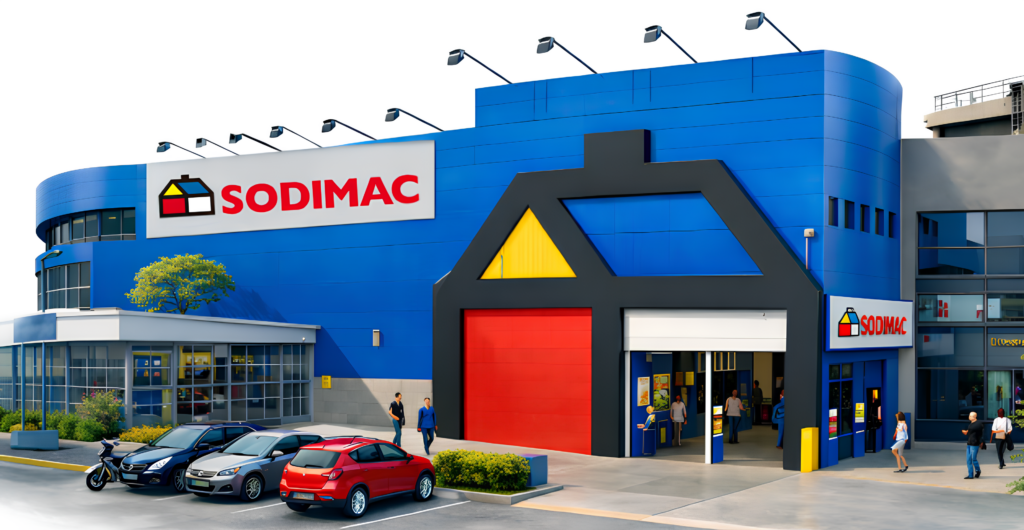
The board of Sodimac, a major retail chain in Chile, will undergo significant restructuring on June 8, 2026, as Falabella, its parent company, assumes a more direct role in its governance. The changes, announced by Falabella, include reducing the board from nine to seven members and appointing its president, Fernando de Peña, and CEO, Alejandro González, to lead the board. This shift marks a pivotal moment for Sodimac, which faces a challenging economic environment marked by weak demand and a struggling construction sector.
Leadership Changes and Board Restructuring
The reorganization, detailed in reports from Peru Retail and Diario Financiero, highlights the departure of Juan Pablo del Río Goudie, who will step down as Sodimac’s president but remain a director of the Falabella holding. Sandro Solari is the only remaining member from the previous board, with four new directors joining, including Adolfo Villagómez, a former executive at Home Depot, and Diego del Río, son of the former president.

Diego del Río’s inclusion signals a shift in strategy, as he brings experience in commercial and corporate roles across multiple companies, including Derco and Dercorp. His appointment, noted in Diario Financiero, reflects Falabella’s push to integrate family members into leadership while diversifying the board’s expertise.
Economic Challenges and Market Context
Sodimac’s transition comes amid a broader economic slowdown, with the construction sector particularly affected. According to Diario Financiero, the IMACON index, which tracks construction activity, has shown a declining trend in 2026. This has pressured Sodimac’s sales, as highlighted by a 2.3% annual increase in administrative and sales expenses, driven by wage adjustments and personnel costs.

Analysts like Felipe Sepúlveda of Admirals Latinoamérica describe the current phase as “en una etapa compleja,” citing weakened construction demand and a more selective consumer. Eduardo Ramírez of BICE Inversiones notes that Sodimac’s sales per square meter remain 43% below 2021 levels, underscoring the sector’s struggles. These challenges have prompted Sodimac to prioritize cash flow, as seen in its decision to forgo dividends in March 2026 to strengthen financial stability.
New Directors and Strategic Shifts
The new board’s composition reflects a blend of internal and external expertise. Adolfo Villagómez, who led Home Depot’s digital business and achieved over US$20 billion in online sales in 2021, is expected to drive Sodimac’s digital transformation. Alfonso Márquez de la Plata, with a background in companies like Derco and Inchcape, brings experience in logistics and international operations.
Diego del Río’s role extends beyond Sodimac, as he also serves on the boards of Dercorp, 4life Crédito Hipotecario, and other firms. His appointment, as detailed in Diario Financiero, underscores Falabella’s strategy of leveraging family ties while integrating fresh perspectives. However, critics argue that the board’s reliance on family members may limit its ability to address structural challenges.
Implications for Sodimac’s Future
The restructuring aims to position Sodimac for resilience in a volatile market. Falabella’s increased involvement could streamline decision-making, but the company must navigate a landscape where consumer demand remains subdued. As Peru Retail notes, Sodimac’s ability to “combinar amplitud de surtido, mayor disponibilidad de productos, precios competitivos y una experiencia omnicanal” will be critical to its recovery.
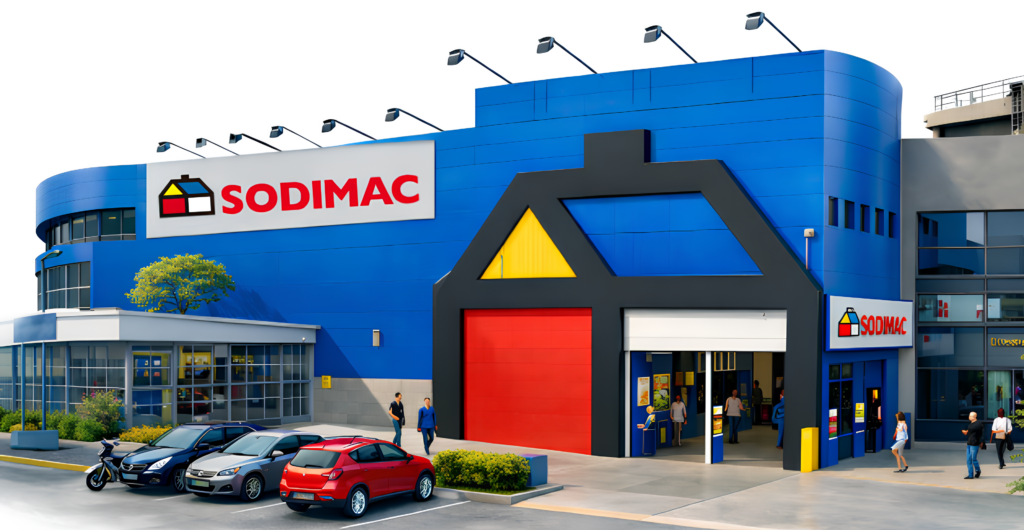
Looking ahead, the success of the new board will depend on its capacity to adapt to economic headwinds. Analysts suggest that a rebound in construction investment could provide a lifeline, but Sodimac must also innovate to differentiate itself in a competitive retail environment. As one expert put it, “en un contexto desafiante, particularmente por la desaceleración en el sector de la construcción,” the coming months will test the company’s agility and strategic vision.
