
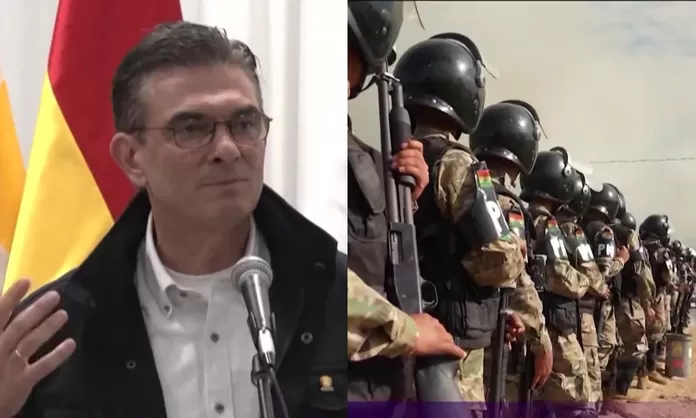
The Bolivian government on June 7, 2026, approved a law enabling President Rodrigo Paz to deploy the military to clear roadblocks, marking a pivotal escalation in a crisis that has paralyzed the country for over a month. The legislation, passed after 15 hours of congressional debate, establishes a legal framework for declaring states of exception, a move that has drawn both support and condemnation from various sectors. El Comercio reported the law’s passage, while Canal N detailed its implementation mechanics, and DW.com highlighted the president’s mixed messaging on the crisis.
Legal Framework and Military Role
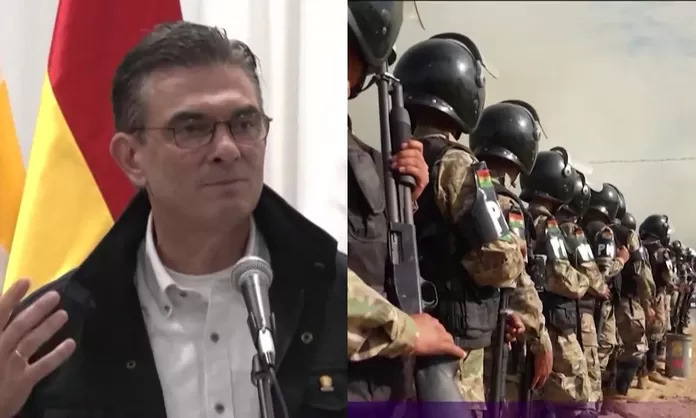
The law, officially titled the “Regulation of States of Exception,” permits the president to invoke military intervention when police capacity is overwhelmed during civil unrest. It mandates a presidential decree to activate the measure, specifying geographic areas and timelines. The legislation explicitly states that the military will act as a “logistical and operational support” to police, not as the primary force. Canal N emphasized that the police retain primary command, though the military’s role in securing infrastructure and “free transit” is outlined. A critical provision grants the armed forces “presumption of legality,” shielding them from criminal liability for actions taken during operations, as noted by El Comercio citing AFP reports.
Context of the Crisis
The protests, led by the Federación de Campesinos Túpac Katari and the Central Obrera Boliviana (COB), began as labor and economic demands but evolved into a broader movement against Paz, with groups loyal to former President Evo Morales joining the cause. Over 80 roadblocks now affect eight of Bolivia’s nine departments, causing shortages of food, fuel, and medical supplies. El Comercio reported seven deaths from medical delays and three from protest-related violence, including a protester shot during a June 6 operation in Santa Cruz. Canal N noted that the crisis has paralyzed La Paz and El Alto, with fuel lines stretching for miles.
Economic and Political Implications
The law’s passage reflects mounting pressure on Paz to restore stability, though it risks deepening divisions. Business leaders, including the head of street vendors’ union Andrés Chuquimia, have endorsed the measure, citing “severe economic losses” for families. Canal N quoted Chuquimia as calling for “immediate application of legal tools to reactivate productivity.” Meanwhile, the government faces accusations of authoritarianism. DW.com noted Paz’s assertion that “todavía momentos difíciles, pero también empiezan a registrarse avances concretos,” though critics argue the military’s involvement could escalate violence. The law also raises questions about the government’s long-term strategy, as Paz’s term is constitutionally set to end in 2030.

Reactions and Uncertainties
International observers have remained cautious. The U.S. and regional allies have backed Paz, but human rights groups warn of potential abuses. El Comercio cited AFP analysis suggesting the military’s legal protections could embolden harsh tactics. Meanwhile, the COB and Morales supporters have vowed to intensify protests, framing the law as an assault on their rights. DW.com reported that Paz’s calls for dialogue have gone unanswered, with protesters demanding his resignation. The coming weeks will test whether the law stabilizes the country or sparks further unrest.
