
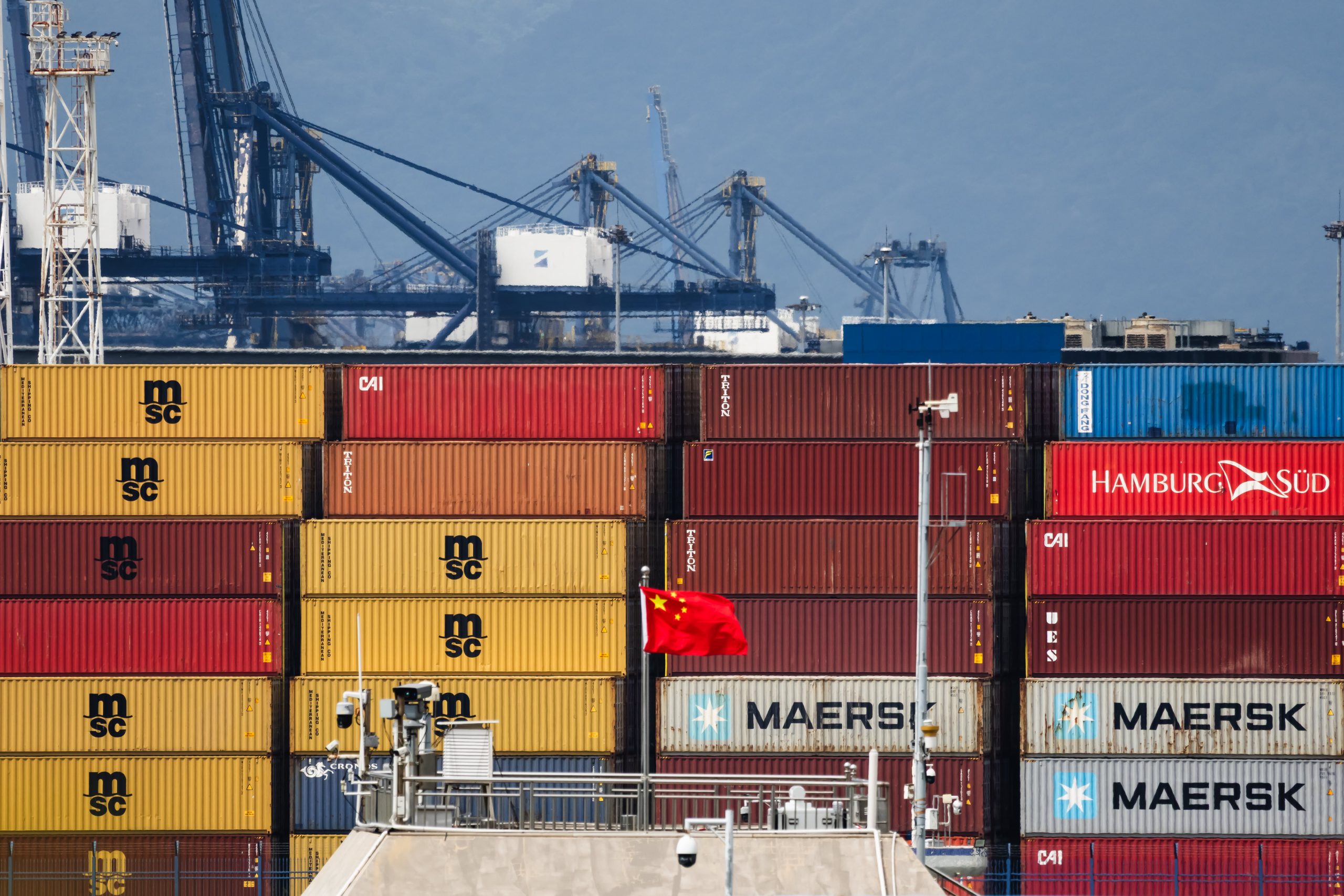
China’s trade performance in May 2026 defied expectations, with exports and imports surging beyond forecasts despite global uncertainties, including the Iran conflict. The country’s trade surplus reached $105.4 billion, driven by robust AI-related exports and a surge in semiconductor and gold imports, according to customs data and economic analyses. CNBC reported that exports rose 19.4% year-on-year, while imports jumped 27.4%, outpacing economists’ predictions. FXStreet highlighted a CNY723.98 billion trade surplus, noting the yuan’s strength and its impact on currency markets.
Export Surge and AI-Driven Growth
The export boom, fueled by AI and semiconductor demand, exceeded expectations. Xiangrong Yu, Citi Bank’s chief China economist, attributed the growth to “the AI boom to support production and trade,” citing higher tech and semiconductor prices. However, Bank of America Global Research cautioned that the import surge—driven by “higher input costs and narrowly concentrated in select categories”—was “hardly a sign of rebalancing.” The trade surplus narrowed in the first five months of 2026, with imports growing 24.5% compared to 15.5% for exports, according to China Daily.
Economic Contradictions and Domestic Challenges
Despite the export strength, domestic demand remained weak. Frederic Neumann of HSBC warned that “despite soaring exports, the number of manufacturing jobs continues to contract,” as automation reduces labor demand. Retail sales growth, a key consumption metric, may fall to zero in May, down from a 0.2% decline in April. Zhiwei Zhang of Pinpoint Asset Management noted that the yuan’s 2.8% annual appreciation “has led to pressure on exporters,” though he acknowledged “strong export growth” could delay policy stimulus until July.
Currency Market Reactions and Geopolitical Risks
The Australian Dollar (AUD) gained 0.04% against the U.S. Dollar, with FXStreet highlighting the AUD’s strength against the Japanese Yen. The trade data also underscored risks from the Middle East conflict, as overseas buyers rushed to secure supplies before energy costs rose. However, economists warned the export tailwind might fade once stockpiling subsides, leaving domestic weakness to dominate. “With weak overall demand and ongoing domestic substitution, genuine trade rebalancing remains distant,” Bank of America economists wrote.

Long-Term Implications and Policy Uncertainty
The divergence between export and import growth raises questions about China’s economic trajectory. While AI and tech exports offer a short-term boost, persistent domestic challenges—such as weak consumer spending and job market strains—could temper long-term gains. Analysts like Yu and Neumann emphasize that “domestic demand could show continued weakness,” with policymakers facing a delicate balancing act. The yuan’s strength and global trade dynamics will likely shape the next phase of China’s economic recovery, as noted in FXStreet‘s technical analysis of currency trends.
“We expect the AI boom to support production and trade,” Yu said, “but domestic demand could show continued weakness.” This duality—export resilience versus domestic fragility—will define China’s economic narrative in the coming months, with policymakers and investors closely watching for signals of sustained growth.
