
A new digital intervention designed for adults aged 65 and older successfully treats insomnia and anxiety symptoms simultaneously, according to research published in June 2026. The seven-week program, developed by a coalition of Montreal-based institutions, provides accessible, evidence-based care to seniors who previously faced limited treatment options due to professional shortages and high costs.
Clinical Trial Results for the eCBT+ Program
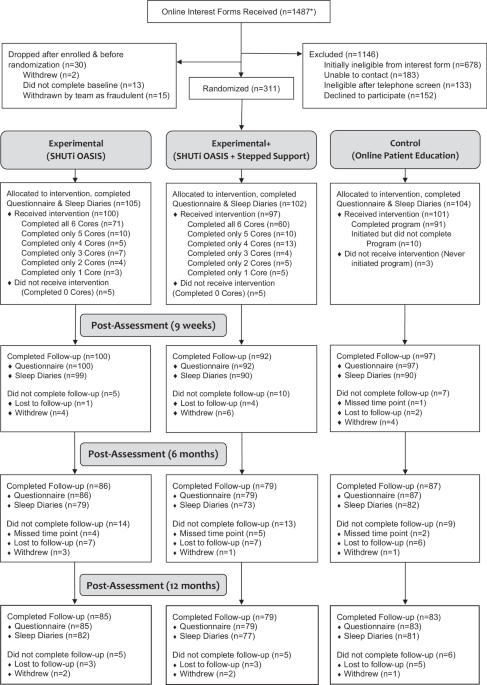
Researchers at the Centre de recherche de l’Institut universitaire de gériatrie de Montréal (CRIUGM) recently completed a randomized controlled trial evaluating the feasibility and efficacy of their new digital platform. The study, involving 80 adults aged 65 and older, focused on a seven-week intervention known as eCBT+ that delivers one 30-minute interactive video module per week, as reported by News-Medical.
Participants in the trial reported high levels of satisfaction with the technology. The platform achieved a usability score of nearly 70 per cent, with users citing its intuitive design and relevance to their daily experiences as primary drivers for engagement. Beyond usability, the clinical outcomes were notable for addressing two common conditions in tandem.
“From a clinical perspective, the intervention proved highly effective. Participants who completed the eCBT+ program experienced significant improvements in sleep efficiency and reductions in symptoms of both insomnia and anxiety compared with the control group,” Mathilde Reyt, postdoctoral researcher at CRIUGM and Concordia University, via News-Medical.
In clinical research, a randomized controlled trial is considered the gold standard for determining the efficacy of an intervention. By randomly assigning participants to either the treatment group (receiving the eCBT+ modules) or a control group, researchers can isolate the effects of the program from external variables. The focus on both sleep and anxiety reflects a growing trend in gerontology to address “comorbid” conditions—where two or more health issues occur together—rather than treating them in isolation. Because insomnia and anxiety frequently feed into one another, the ability to target both symptoms through a single digital interface represents a potential efficiency in clinical practice.
Addressing Barriers to Specialized Sleep Care
The development of this platform arrives at a time when access to traditional cognitive behavioral therapy for insomnia (CBT-I) remains constrained. According to experts, while CBT-I is widely considered the first-line treatment for sleep disorders, the scarcity of trained professionals and the financial burden of in-person therapy have historically limited patient access, as detailed in an umbrella review of digital therapeutics published on the National Center for Biotechnology Information (PMC) website.
The research team, which includes collaborators from Concordia University, Université Laval, and the Université de Montréal, specifically engineered the eCBT+ platform to overcome these hurdles. By offering the program in French and including accessibility features—such as adjustable text size and high-contrast settings—the developers aimed to ensure the tool remained functional for older users.
Digital therapeutics, often referred to as DTx, are software-based interventions designed to prevent, manage, or treat a medical disorder or disease. Unlike general wellness applications, these tools are typically backed by clinical evidence and are intended to be used in conjunction with clinical workflows. The shift toward digital delivery is particularly significant for geriatric populations, who may face mobility challenges or geographic isolation that make attending weekly in-person therapy sessions difficult. By digitizing the core components of CBT-I—which typically include sleep restriction, stimulus control, and cognitive restructuring—the CRIUGM team is applying established psychological principles to a format that can be accessed at home.
Future Directions and Cognitive Health Implications
Dr. Thien Thanh Dang-Vu, a neurologist and laboratory director at CRIUGM, noted that the digital platform represents a significant shift toward making mental health and sleep treatments more reachable for the aging population. As reported by News-Medical, the team is now planning to expand the sample size in future iterations of the study.

The next phase of research will aim to confirm the program’s long-term effects, with a specific focus on whether these sleep improvements translate to measurable benefits for cognitive function and overall daytime quality of life among seniors. Clinical studies often move from feasibility trials—which test whether a program can be delivered successfully—to larger efficacy trials, which aim to confirm that the results hold true across more diverse and larger groups of people.
“Our findings show that web-based tools offer a promising and clinically relevant approach to promoting sleep and mental health among older adults. This combined digital CBT program represents an important step toward making these treatments more accessible to everyone,” Dr. Thien Thanh Dang-Vu, neurologist at CRIUGM and professor at Concordia University, via News-Medical.
While digital therapeutics continue to gain traction, the broader medical community maintains a focus on evidence-based standards. It is important to recognize that while digital tools offer convenience, they are not a universal solution for all sleep disorders. Some sleep disturbances may be caused by physiological issues, such as sleep apnea or restless leg syndrome, which require physical diagnostic testing and medical interventions beyond behavioral therapy. For those currently managing sleep disturbances, experts emphasize the importance of consulting a healthcare provider to discuss appropriate treatments, as digital tools are intended to complement, rather than replace, professional clinical guidance. A physician can help determine if a digital intervention is appropriate based on an individual’s specific medical history, medication use, and the underlying cause of their symptoms.
