
WHO Confirms Hantavirus Outbreak Aboard MV Hondius Cruise Ship
The World Health Organization has confirmed that eight people have been infected with the Andes virus while aboard the cruise ship MV Hondius. The confirmation brings renewed international attention to a rare but highly lethal pathogen known for its severe impact on human health.

While the virus is considered less contagious than Covid-19, health experts warn that it carries a significantly higher mortality rate. This disparity underscores the extreme danger posed to those who contract the illness, as the virus often leads to critical respiratory and systemic failure.
The current situation on the MV Hondius highlights the potential for the virus to spread in confined environments, though such occurrences remain rare. The danger of localized outbreaks was previously demonstrated during a tragic incident in Argentina in 2018. In that instance, a single birthday party resulted in 34 people becoming contaminated, leading to 11 deaths. That outbreak served as a stark lesson on the virus’s capacity for transmission and the necessity of rapid containment.
The global medical community continues to race against the virus, as there is currently no widely available cure. However, reports indicate that several vaccine candidates and experimental treatments are currently undergoing trials. The success of these medical efforts is seen as critical for preventing future fatalities associated with hantavirus strains.
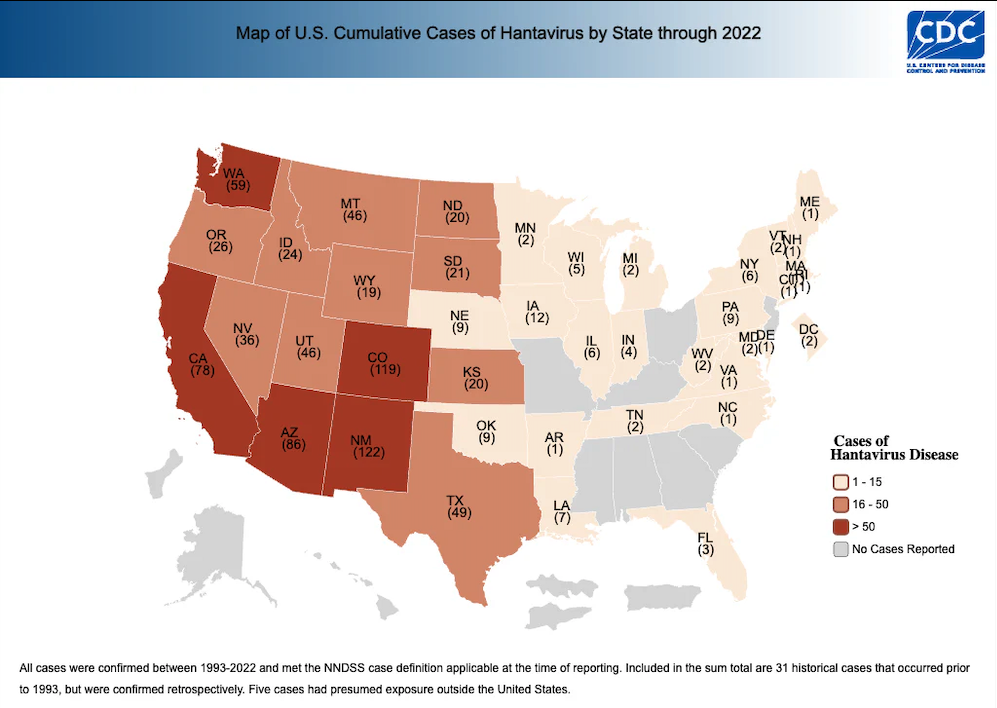
Beyond the immediate medical crisis, the management of the virus has become a point of geopolitical contention. The United States has faced sharp criticism over its handling of hantavirus, with critics arguing that its approach has weakened rather than strengthened global public health infrastructure. These criticisms suggest that a lack of coordinated international leadership may leave the world more vulnerable to zoonotic threats.
The emergence of cases on a commercial vessel emphasizes the need for stringent global health surveillance. As pathogens move across borders via international travel, the ability to detect and respond to high-mortality viruses becomes a cornerstone of international security.
