
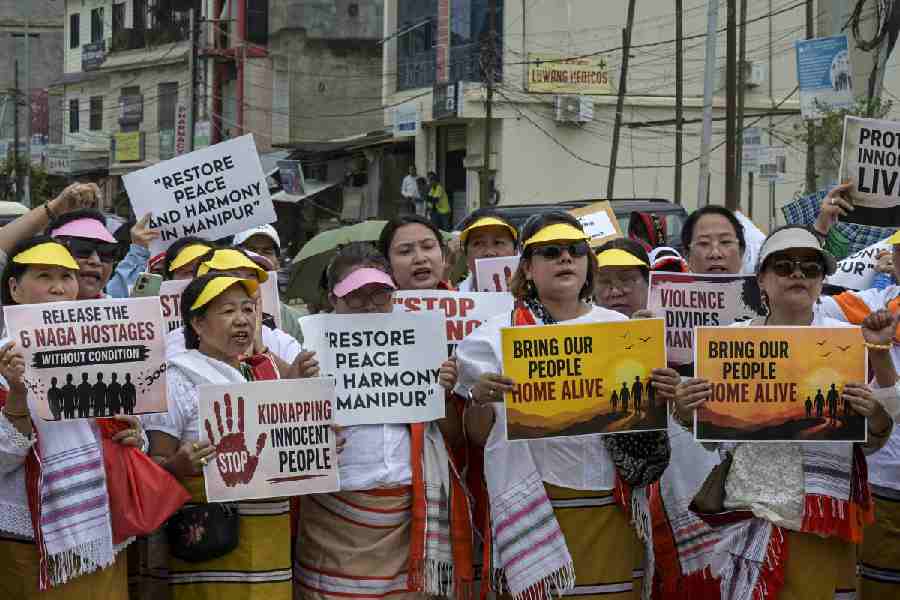
Fourteen Kuki individuals held hostage for 27 days were released on Tuesday, June 9, 2026, at the Senapati district headquarters in Manipur. The release was facilitated by the United Naga Council following consultations with community stakeholders, and all detainees were reported to be in safe condition.
Release Details and Humanitarian Facilitation
The 14 Kuki individuals, who had been held since May 13, 2026, were officially handed over to district administration officials, police, and security personnel at 3:36 p.m. on Tuesday, according to reporting by the Ukhrul Times. The handover occurred in the presence of the Assam Rifles and Central Armed Police Forces, who maintained a security perimeter during the transition at the district headquarters.
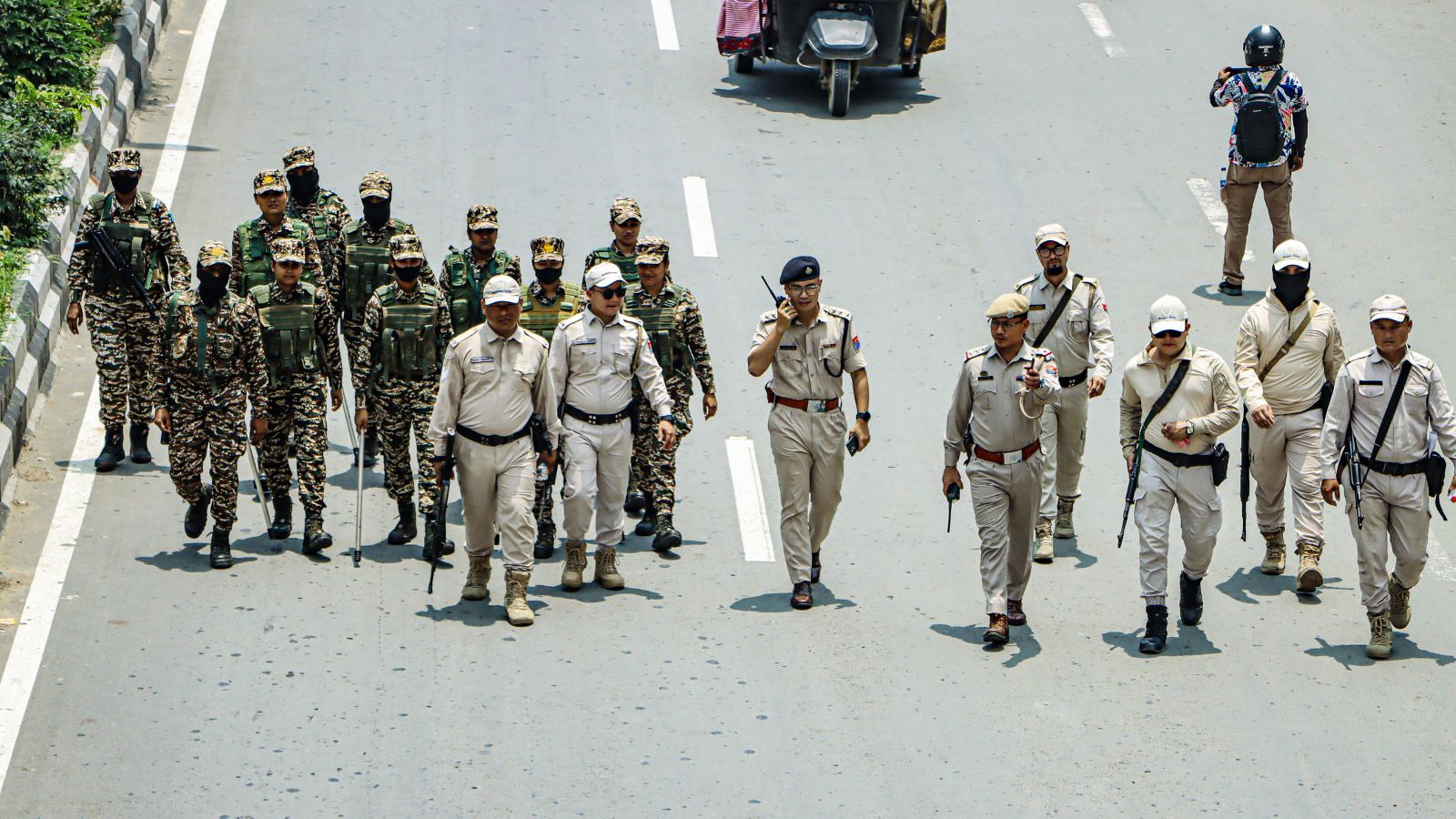
The United Naga Council (UNC) played the primary role in brokering the release. UNC President Ng Lorho stated that the decision to set the hostages free was guided by humanitarian values and an attempt to de-escalate tensions in the volatile hill districts.
“The PAC Council intervened and facilitated the release of the Kuki hostages on the basis that Nagas are cultured people. We uphold war ethics and also respect international law and human rights,” Ng Lorho, United Naga Council President, via NDTV
While the release was initially scheduled for June 1, it was delayed due to disagreements among various tribal youth leaders and stakeholders, as reported by Telegraph India. These internal negotiations highlight the complex web of community-led mediation that often occurs in the absence of direct state-level resolution in the region.
Conditions of Captivity and Hostage Testimony
The former detainees, most of whom hail from Taphou Kuki village, reported that they were treated humanely during their nearly month-long detention. Paotinkai Chongloi, one of the released men, noted that they were held under the custody of the Naga Village Guard, a local community-based security structure.
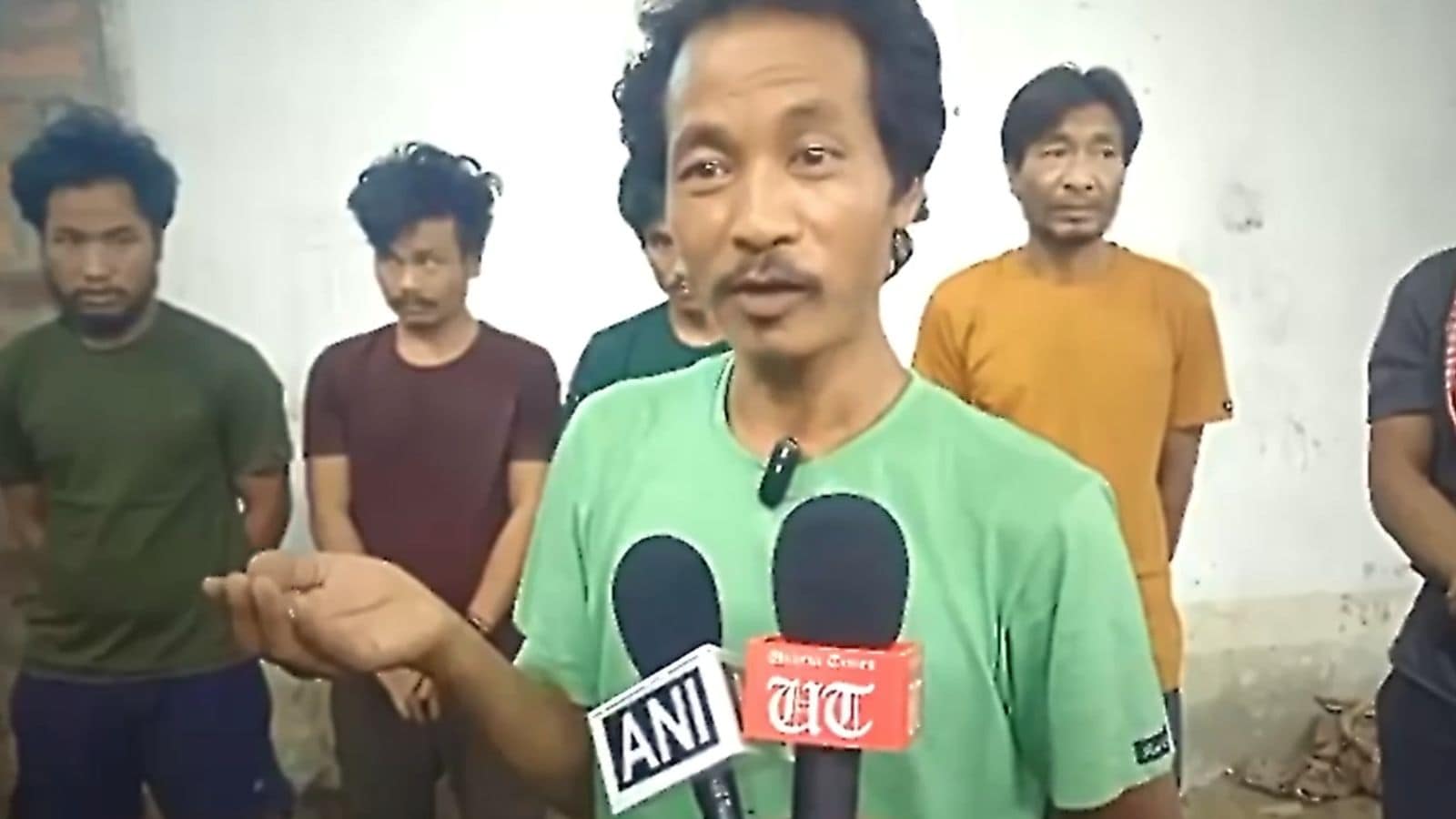
“We were detained for 27 days under the Naga Village Guard. We were treated well and provided with good food.” Paotinkai Chongloi, former hostage, via Telegraph India
According to Scroll.in, the hostages received two meals a day, along with tea and essential supplies like blankets and clothing. Chongloi expressed a desire for his community to reciprocate this goodwill, specifically calling for the release of six Naga men who remain missing. The focus on mutual goodwill reflects a fragile attempt by local community leaders to restore dialogue between the Kuki and Naga groups, whose relations have been strained by the broader conflict cycle in Manipur.
Status of Six Missing Naga Men
Despite the release of the 14 Kuki individuals, the status of six Naga men abducted during the same period remains unknown. The UNC and other Naga civil society groups had previously held the Kuki detainees as leverage to secure information on these missing individuals. The Indian Express reports that the Naga groups moved forward with the release after receiving assurances from the government.
UNC President Ng Lorho confirmed that the release was contingent on commitments made by Union Home Minister Amit Shah to Nagaland Chief Minister Neiphiu Rio. The government has reportedly promised a time-bound investigation into the whereabouts of the six missing Naga men, with the case now transferred to the National Investigation Agency (NIA). The involvement of the NIA signals a shift in how the state is handling the abduction cases, moving them from local police jurisdiction to federal oversight to ensure a more rigorous investigation.
Broader Context of Ethnic Violence
The hostage crisis is a byproduct of ongoing ethnic conflict in Manipur, which has displaced thousands and resulted in at least 260 deaths since May 2023. The specific abductions on May 13, 2026, followed the killing of three church leaders in Kangpokpi district, an event that triggered retaliatory kidnappings across Naga-majority and Kuki-majority areas. This chain of retaliatory actions has become a recurring pattern in the state, where localized violence often escalates into larger hostage situations involving civil society groups.

State officials, including Chief Minister Y Khemchand Singh, have welcomed the release as a necessary step toward peace. However, the region remains volatile, with tensions stemming from long-standing disputes between the Meitei and Kuki-Zo-Hmar communities, as well as recent friction between Naga and Kuki-Zo groups in the hill districts. The administrative challenge in Manipur involves managing these multifaceted grievances, which often overlap in the hill districts where multiple tribal groups coexist. The reliance on community-level facilitation, such as the UNC’s intervention, underscores the diminished capacity of traditional law enforcement to prevent abductions in the remote, hilly terrain of the state.
The transition of the missing persons case to the National Investigation Agency marks a significant development in the state’s approach to security. In previous instances of inter-community conflict in Manipur, the inability to locate missing individuals has frequently led to prolonged blockades and civil unrest. By elevating the investigation to a central agency, the government aims to provide a neutral platform to uncover the fate of the missing men and prevent further retaliatory cycles. Local authorities continue to monitor the situation, as the safe return of the 14 individuals is viewed as a fragile but essential prerequisite for any broader peace initiative involving the competing stakeholders in the region.
