
As political and economic crises deepen in venezuela, reports suggest the U.S. is considering direct intervention to remove Nicolás Maduro from power.Citing sources within the Venezuelan military, reports indicate a potential, targeted operation-avoiding large-scale ground combat-could be imminent, with precision strikes aimed at disrupting the Maduro regime’s operations. The assessment comes amid escalating rhetoric from the Trump administration regarding drug trafficking and irregular migration linked to Venezuela, raising concerns about further instability in the region.
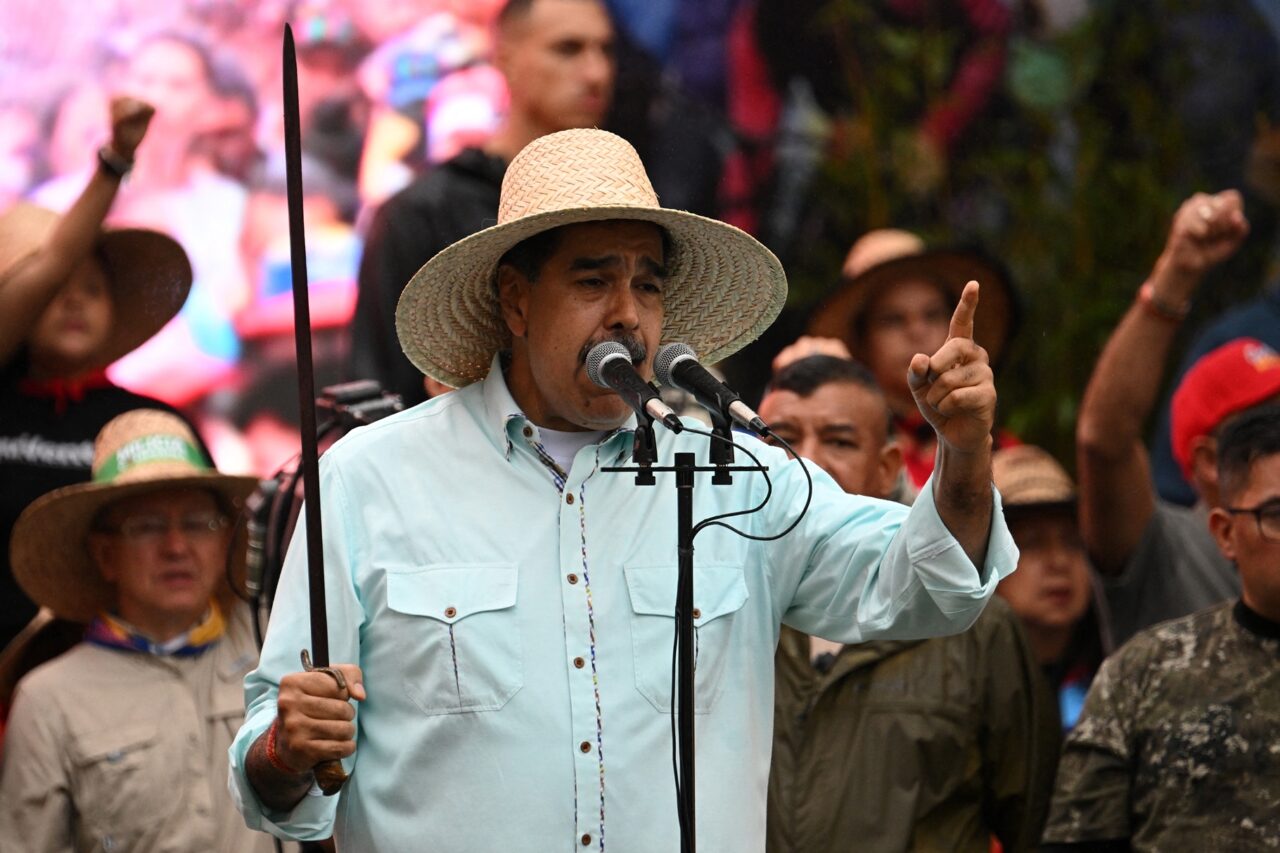
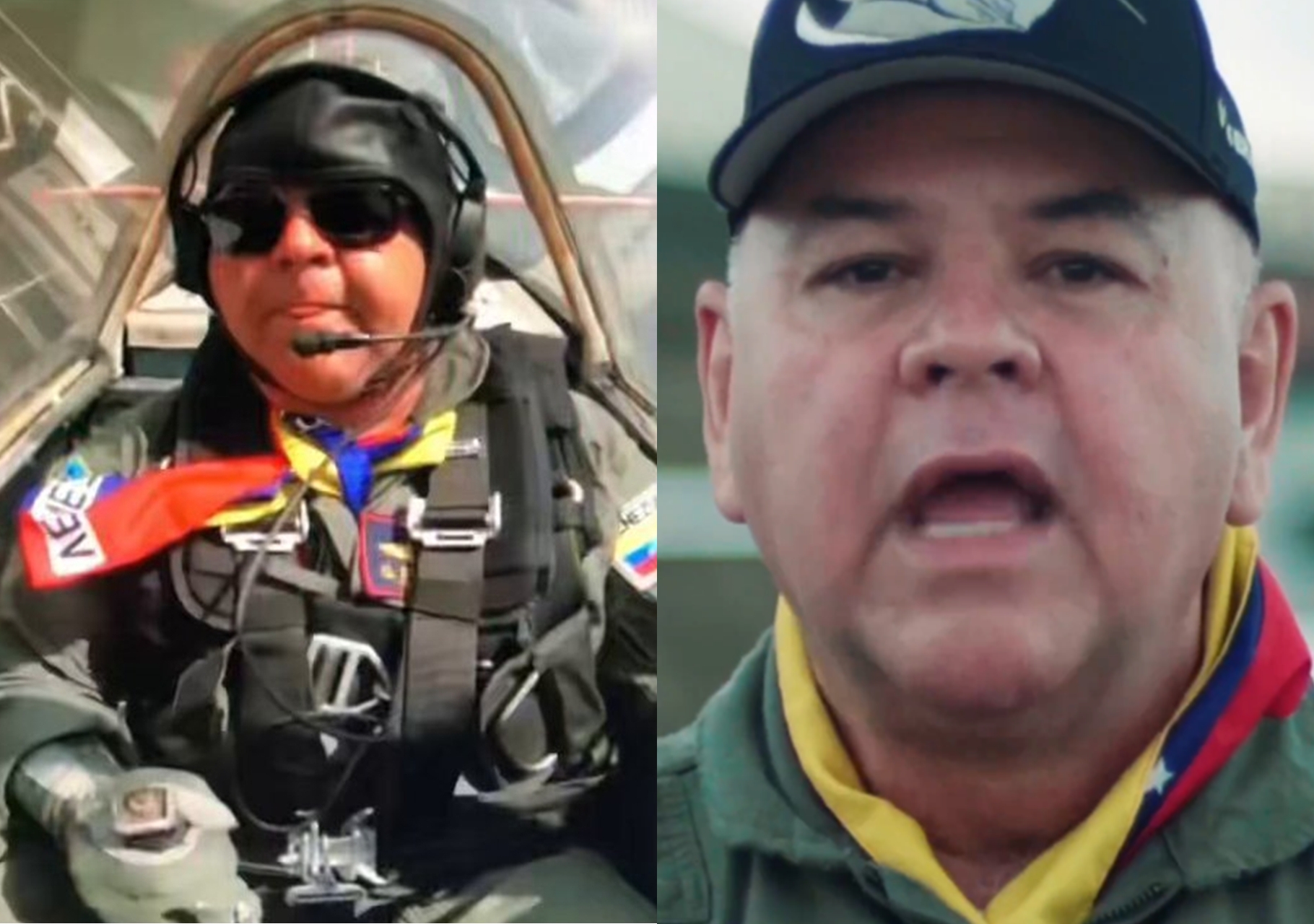
A former Venezuelan Air Force lieutenant colonel believes the U.S. is preparing for a targeted operation to remove Nicolás Maduro from power. Guillermo Beltrán Vielma, now retired, said increasing U.S. activity in the Caribbean and pressure on Maduro’s government suggests a carefully planned effort to oust the Venezuelan leader, potentially through extraction.
Beltrán Vielma told reporters that the Trump administration has given Maduro ample opportunity to leave the country voluntarily and now appears to be authorizing ground operations. He indicated these operations could begin at any moment.
“These actions could occur in hours, days, or weeks,” Beltrán Vielma said, “but all the necessary equipment for such an operation is already in place.” He described a potential operation as “large-scale and executed with precision,” with the exact approach dependent on decisions made by the Trump administration. This assessment comes as tensions between the U.S. and Venezuela continue to escalate.
According to Beltrán Vielma, the current pressure campaign aims to erode support for Maduro’s government from within, encouraging key figures to either surrender or turn on the leader. He also stated that those within Maduro’s inner circle are increasingly nervous and fearful of an inevitable outcome.
“Some are abandoning ship, others are deserting, some are staying, and others are being threatened, but there’s no other option,” Beltrán Vielma warned. “A warned war doesn’t kill soldiers.”
On Thursday, President Trump stated that pressure on Venezuela is driven by multiple concerns, including irregular migration and drug trafficking, and accused the Maduro regime and the Venezuelan military of involvement in sending drugs to the United States.
Trump also reiterated his threat of impending ground attacks, stating, “Anyone who gets involved in that is not going to like it. They’ve treated us badly, and I guess we’re not treating them too well now.”
Missiles, Satellite Tracking, and Strikes on Logistics
Table of Contents
Beltrán Vielma dismissed the idea of a traditional ground invasion, explaining that any military action would likely target locations within Venezuela without deploying troops. He suggested the use of precision missiles against laboratories, storage facilities, airstrips, aircraft, and vessels allegedly linked to drug trafficking networks.
He added that recent operations in the Caribbean – which have resulted in over 80 deaths – have allowed U.S. satellite systems to map the drug route, from loading points to the boats used for transport.
“These points automatically become targets,” Beltrán Vielma said. “Whether or not people are present, they will be neutralized directly. We won’t see 30 soldiers entering a warehouse; that won’t happen. Neutralization will be with precision weapons, with or without aircraft.”
The former officer indicated that Maduro’s palace or locations where the leader is present would likely not be targeted, unless he were completely isolated. He drew a parallel to the killing of Iranian General Qasem Soleimani, suggesting a similar scenario could unfold “only if he were alone at a specific moment, otherwise, the collateral damage would be enormous and will not be allowed.”
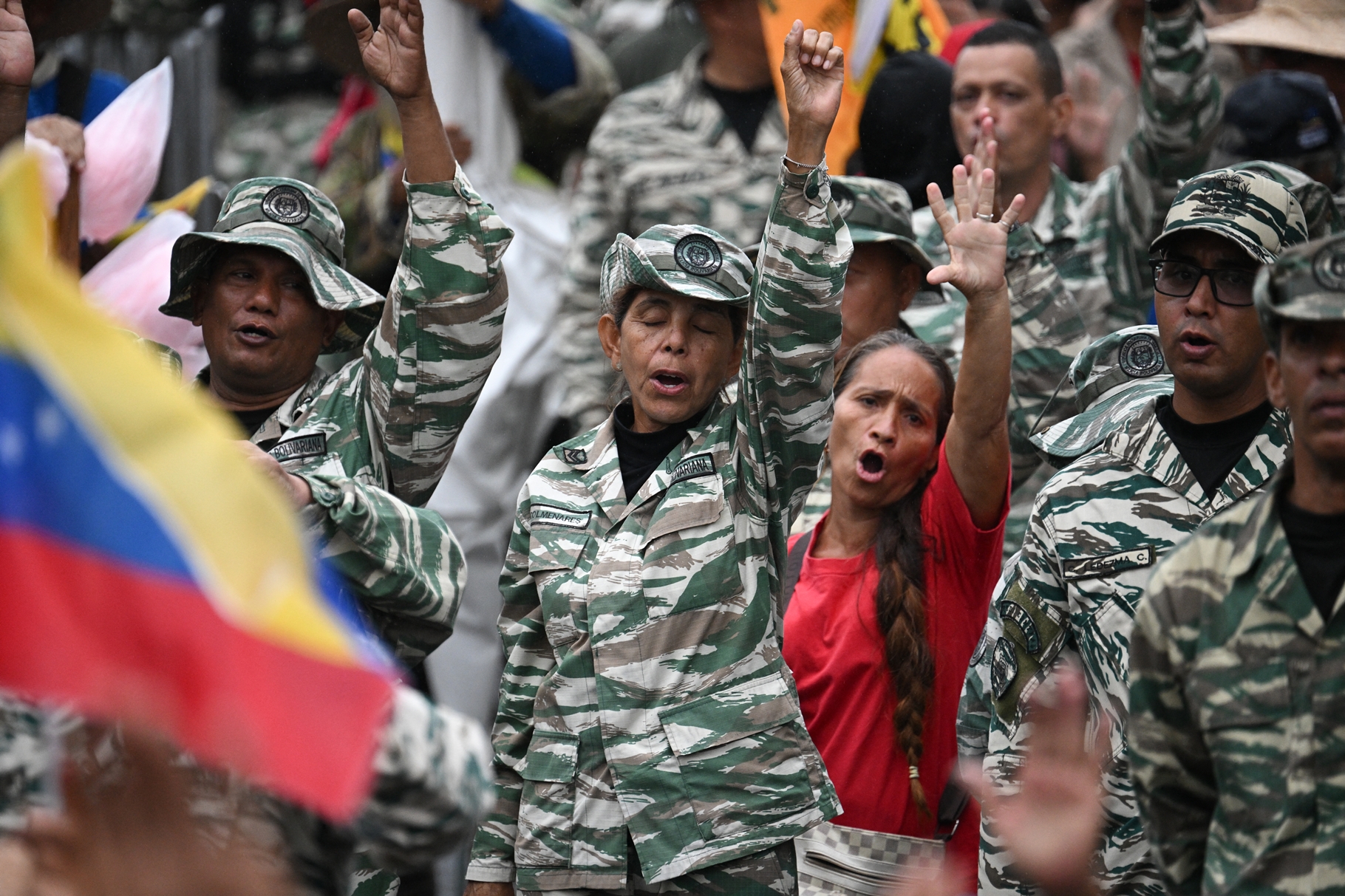
Beltrán Vielma emphasized that civilians are not in danger, as the offensive is focused on “drug lords” controlling trafficking networks within Venezuela, and that operations will target infrastructure used by the Maduro government without impacting residential areas.
He asserted that Maduro’s removal from power is increasingly likely and that “everything points to it being very precise.”
The Situation Won’t Last “Months”
Beltrán Vielma believes the situation won’t be prolonged for months. He explained that if an offensive were to occur, the initial phase would involve missile strikes targeting strategic nodes – communications, networks, command centers, and critical points of the Venezuelan state control system – with the goal of dismantling the regime’s coordination capabilities without directly targeting its leadership.
The former officer said the second step would be to neutralize all air defense systems, starting with radars, missile batteries, and any structure capable of detecting or shooting down U.S. aircraft. Simultaneously, precision strikes would target airfields, hangars, parked planes, warehouses linked to drug trafficking, and other sensitive locations already identified by U.S. intelligence.
“They are recording everything that happens,” he stated.
Miraflores Would Not Be a Target Unless Exceptional Circumstances Arise
However, Beltrán Vielma clarified that locations like the Miraflores Palace or where Maduro is located would not be attacked, unless the socialist leader were completely alone. He recalled the case of Iranian General Qasem Soleimani, stating, “Something like that could only happen if he were isolated at a specific moment, otherwise, the collateral damage would be enormous and will not be allowed.”
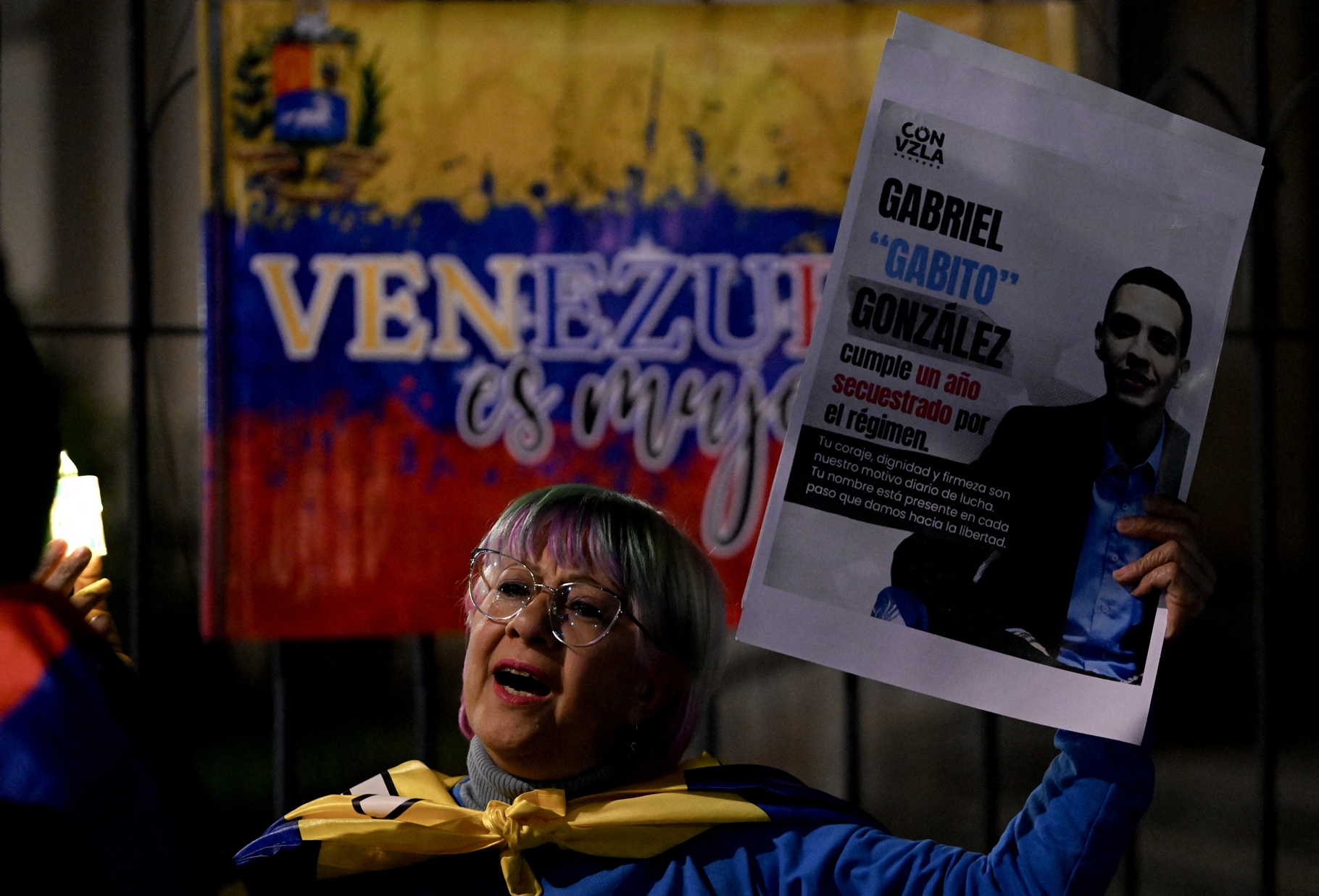
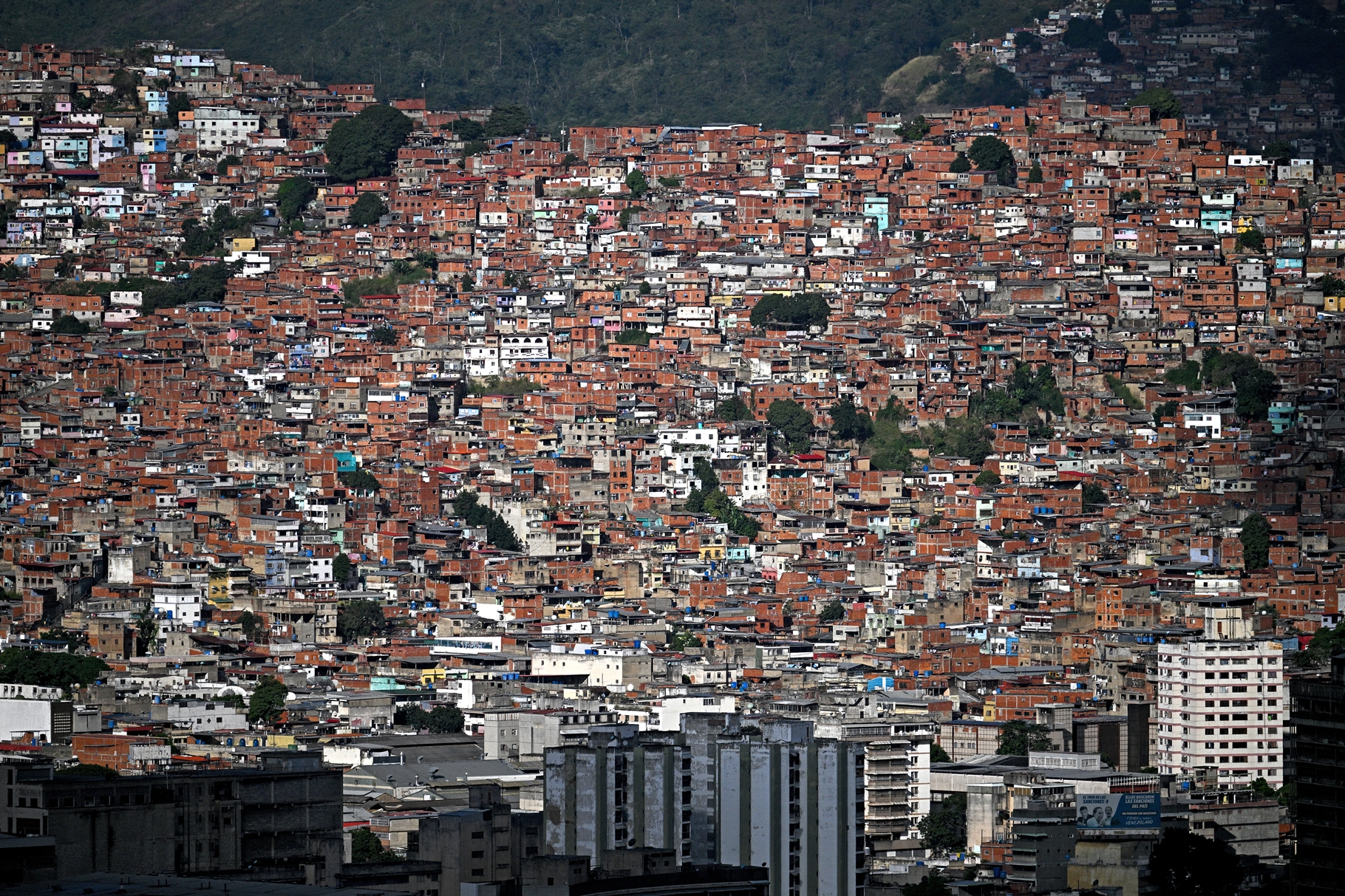
The retired lieutenant insisted that ordinary citizens are not in danger because this is an offensive against “drug lords” who control drug trafficking networks from Venezuela. The operations, he indicated, are aimed at neutralizing the infrastructure used by the Chavismo regime, without impacting inhabited areas.
He emphasized that Maduro’s departure from power is getting closer and that “everything points to it being very precise.”
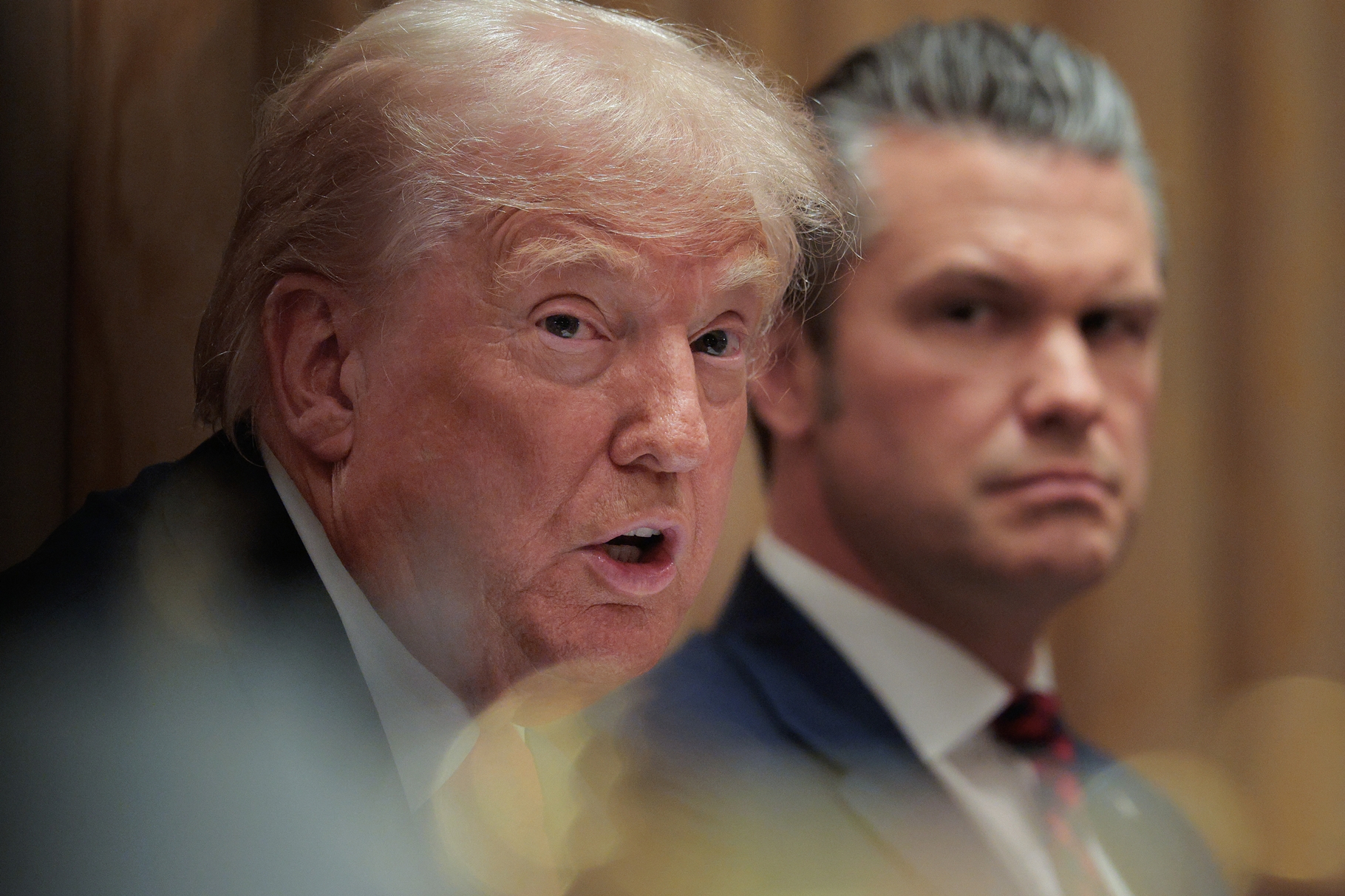
Trump Doesn’t Want a Political Cost for the U.S.
Beltrán Vielma insisted that the U.S. fleet operates under executive orders and that Trump is directly monitoring the situation because he seeks to avoid any domestic political cost.
He said the U.S. president doesn’t want a single soldier, sailor, or crew member from his country to be injured or killed because any casualty would have a high political cost. Therefore, Washington emphasizes that there is no risk to its personnel.
“As soon as there’s the first political cost, they’re going to charge it fully,” he added.
Beltrán Vielma affirmed that Trump “is not a man to back down” but has been forced to harden his policies “because of the damage” he believes the U.S. has suffered, even due to the attacks he himself experienced during his presidential campaign in the United States.
The priority of Washington – Beltrán Vielma assured – will always be to preserve the lives of its military personnel and operators. “Before a U.S. military man dies, the U.S. prefers the life of the other, period. I’m going to war, but not to die, but for the others to die.”
In his opinion, Trump believes he cannot allow the “communist, socialist, mutant, evil, and lying” arm of the 21st century to continue expanding in the region.
Rising Tensions
“As long as there is a way for them to betray Maduro, to capture him, to arrest him, the people inside, the bodyguards, the military, will help resolve the problems. These are valid ways because it’s not necessary to shoot, that’s an important point, and it’s logical from a humanitarian perspective,” he said.
“The United States does not want Maduro dead,” he affirmed.
According to his reasoning, the Trump administration would prefer to capture him to “pay in life” for the crimes attributed to him. Killing him with a missile would be “very easy,” but politically costly for the U.S. government, which is trying to manage each step with the least possible international impact.
However, he acknowledged that any extraction would carry risks. If the team in charge is attacked by Maduro’s bodyguards or loyal forces, “they will have to neutralize them,” which could result in casualties among those providing protection. “Unfortunately, that’s the cost of getting involved in crime, and especially with the most powerful country in the world, without accepting solutions,” he said.
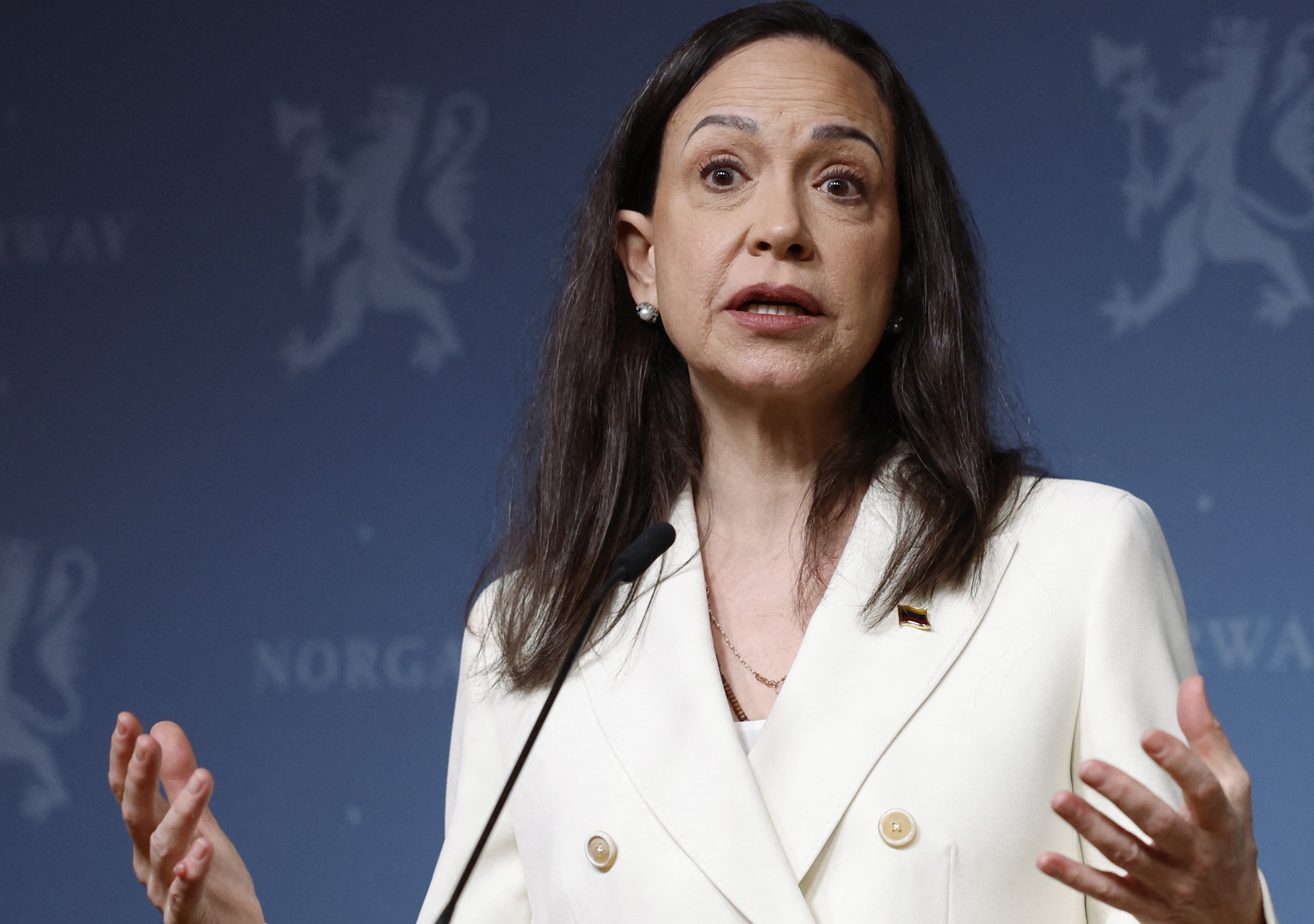
The retired lieutenant analyzed that Washington is already thinking about a post-Maduro scenario to “control and make the transition as best and fastest as possible,” aware that there would be armed groups willing to resist, reorganize, or attempt a counterattack.
He affirmed that Maduro no longer has a way to escape to another country or guarantee a safe exile.
“At this point and today, I don’t think there’s an option for him to leave elsewhere. It may happen, but he’s not going to escape. He either leaves in prison or with his feet up, as we say in Venezuela,” he concluded.
