
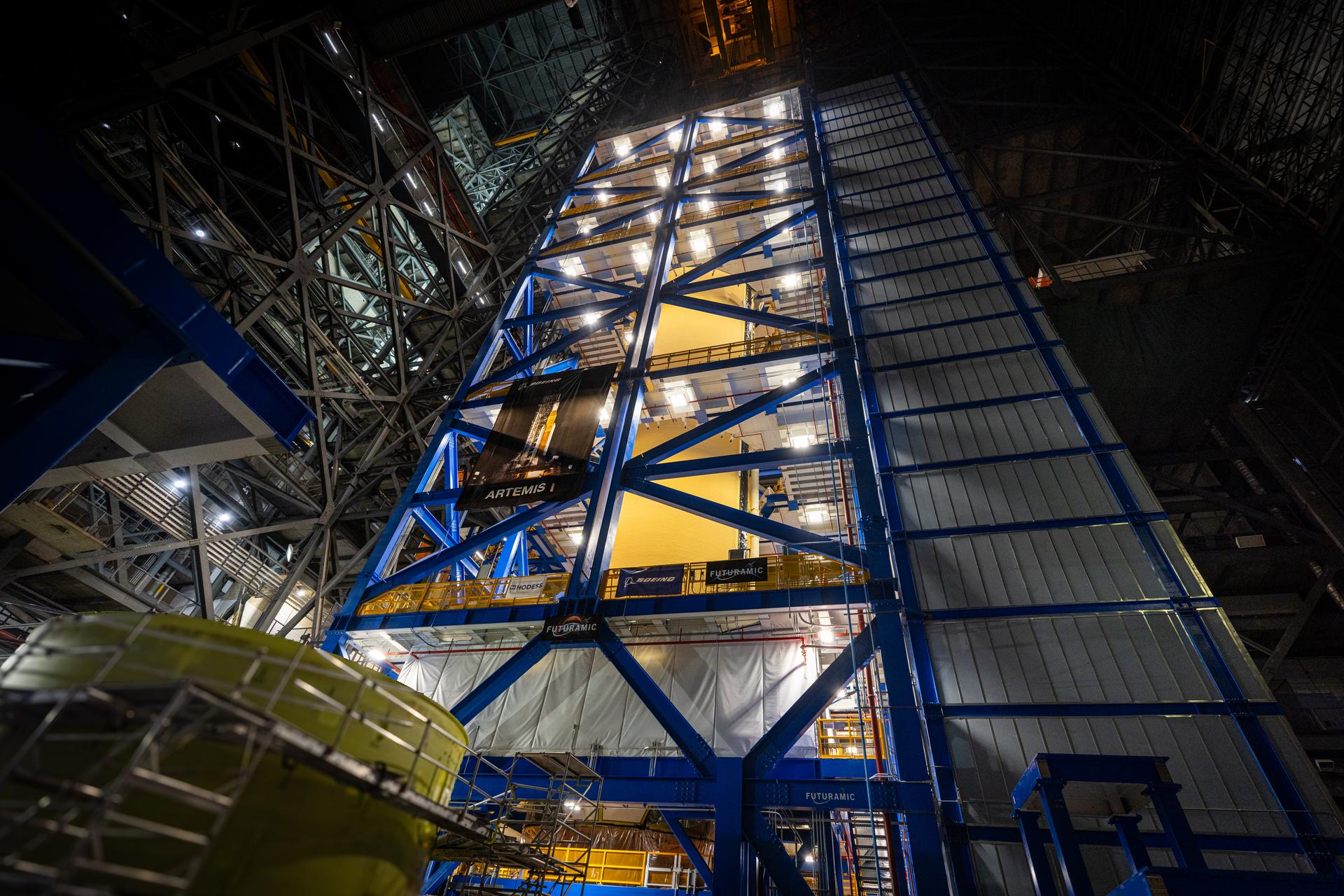
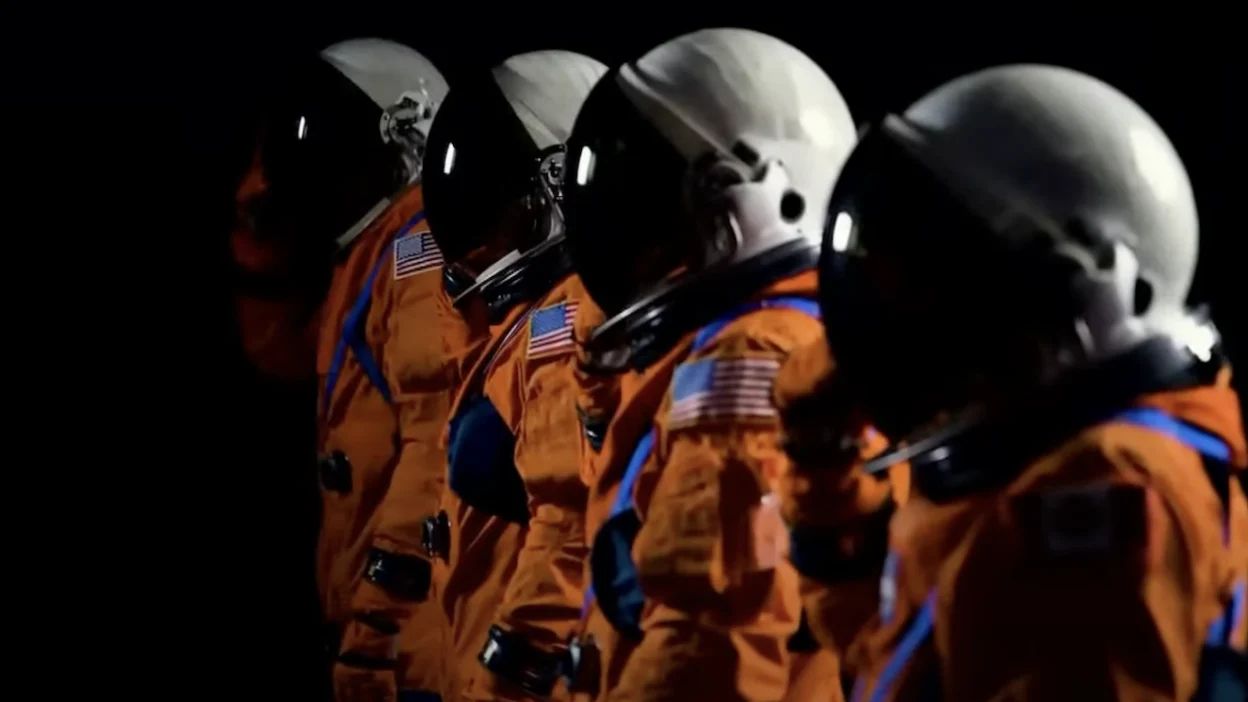
NASA announced the crew for its Artemis 3 mission on June 9, 2026, marking a pivotal step toward establishing a sustainable human presence on the Moon. The selection, which includes four astronauts, will focus on testing lunar lander systems and extravehicular activity (EVA) suits for future surface operations. The mission, scheduled for mid-2027, follows the successful Artemis 2 test flight, which reached 252,756 miles from Earth—a record for crewed spaceflight.
Artemis 3 Crew Announcement: A Milestone in Lunar Exploration
NASA revealed the Artemis 3 crew during a live event on June 9, 2026, as part of its broader Artemis program aimed at returning humans to the Moon. The four-person team will conduct a series of tests in low Earth orbit (LEO), including rendezvous and docking with private lunar landers developed by SpaceX and Blue Origin. This phase is critical for validating the technologies needed for Artemis 4, the first crewed lunar landing, scheduled for 2028. The announcement came after months of speculation, with NASA Associate Administrator Amit Kshatriya emphasizing that the crew selection prioritized experience with unproven systems and EVA expertise. “The goal is to ensure we have the right mix of skills to push the boundaries of lunar exploration,” Kshatriya stated, according to Space.com.
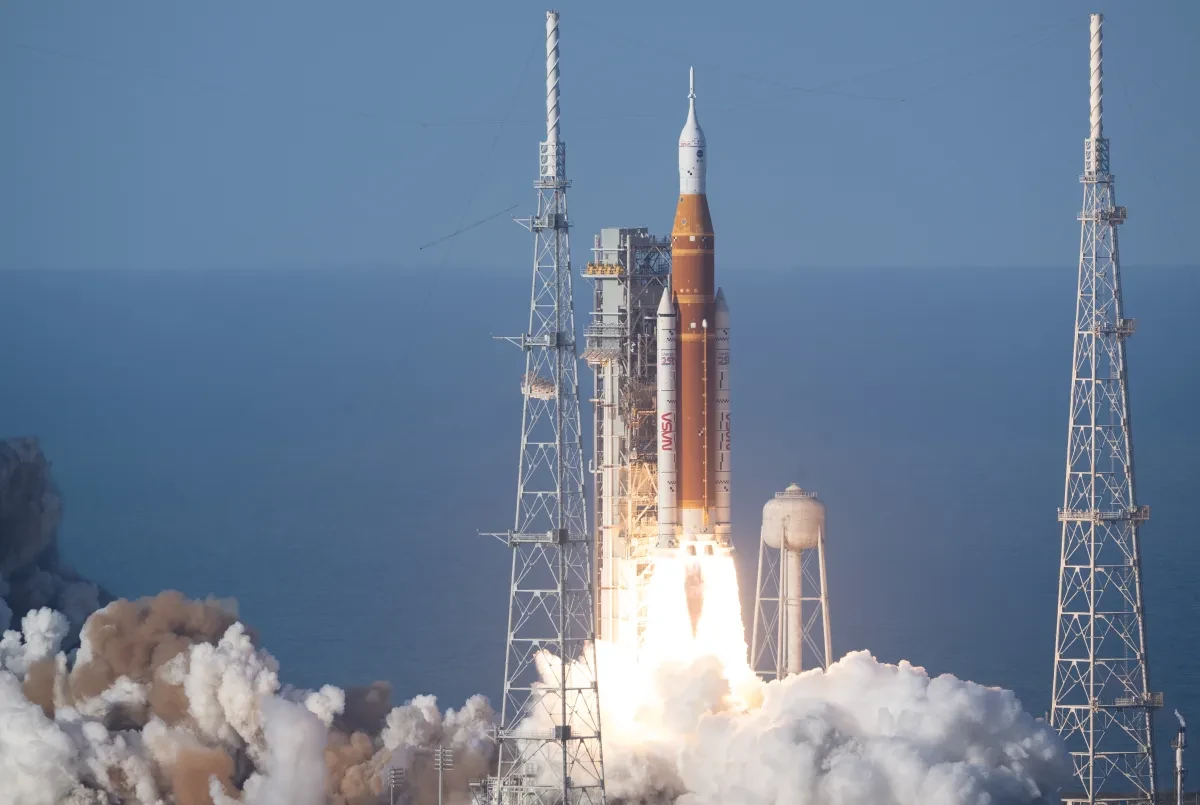
The Artemis 3 mission differs significantly from Artemis 2, which circumnavigated the Moon in April 2026. While Artemis 2 focused on testing the Orion spacecraft and spacesuits, Artemis 3 will simulate a lunar landing environment. The crew will practice maneuvers with the Human Landing System (HLS) landers, which have faced development delays. NASA has maintained flexibility, stating it could use either SpaceX’s Starship or Blue Origin’s Blue Moon vehicle for Artemis 4, depending on readiness. “Both landers have encountered challenges, but we remain committed to a robust and competitive approach,” a NASA spokesperson said, as reported by NASA.gov.
Mission Objectives and Technical Challenges
Artemis 3’s primary objective is to prepare for the first crewed lunar landing since Apollo 17 in 1972. The mission will involve testing new EVA suits designed for the Moon’s harsh environment, as well as evaluating the performance of private landers. These tests are essential for NASA’s broader goal of fostering a “lunar economy,” as outlined in a 2026 statement from the agency: “Every state in America has contributed to the Artemis campaign, with companies driving innovations that will support long-term lunar presence.”

Despite the progress, technical hurdles persist. Blue Origin’s New Glenn rocket, which would launch the Blue Moon lander, suffered a recent pad explosion, raising concerns about the timeline. Meanwhile, SpaceX’s Starship has faced its own delays, though the company remains optimistic. “We’re confident in our ability to meet NASA’s requirements,” a SpaceX representative said, per Space.com. The agency has also emphasized that Artemis 3 could proceed with either lander, or even both, if needed.
The mission’s timeline is tightly constrained. Artemis 3 is slated for mid-2027, with training for the crew already underway. Astronauts must balance their duties on the International Space Station (ISS) with preparation for the mission, a challenge highlighted in RMG.co.uk. “Crew availability is a key factor,” the article noted, citing NASA’s focus on selecting astronauts with experience in piloting new vehicles. This has led to speculation that the final four could include both veteran astronauts and newer recruits, though no official名单 has been released.
Key Candidates and Selection Criteria
The Artemis 3 crew is expected to include astronauts from the original 2020 Artemis cadre, though the selection process has expanded beyond that group. Candidates must demonstrate expertise in piloting advanced spacecraft and conducting spacewalks. For example, Christina Koch, who participated in Artemis 2, has been mentioned as a potential candidate due to her EVA experience. Similarly, Reid Wiseman, who named the Artemis 2 spacecraft “Integrity,” is a strong contender, according to Space.com.
However, the selection is not limited to the original 18 astronauts. NASA has emphasized the need for diversity in technical backgrounds, with a focus on those who have worked on the Orion spacecraft or EVA systems.
