
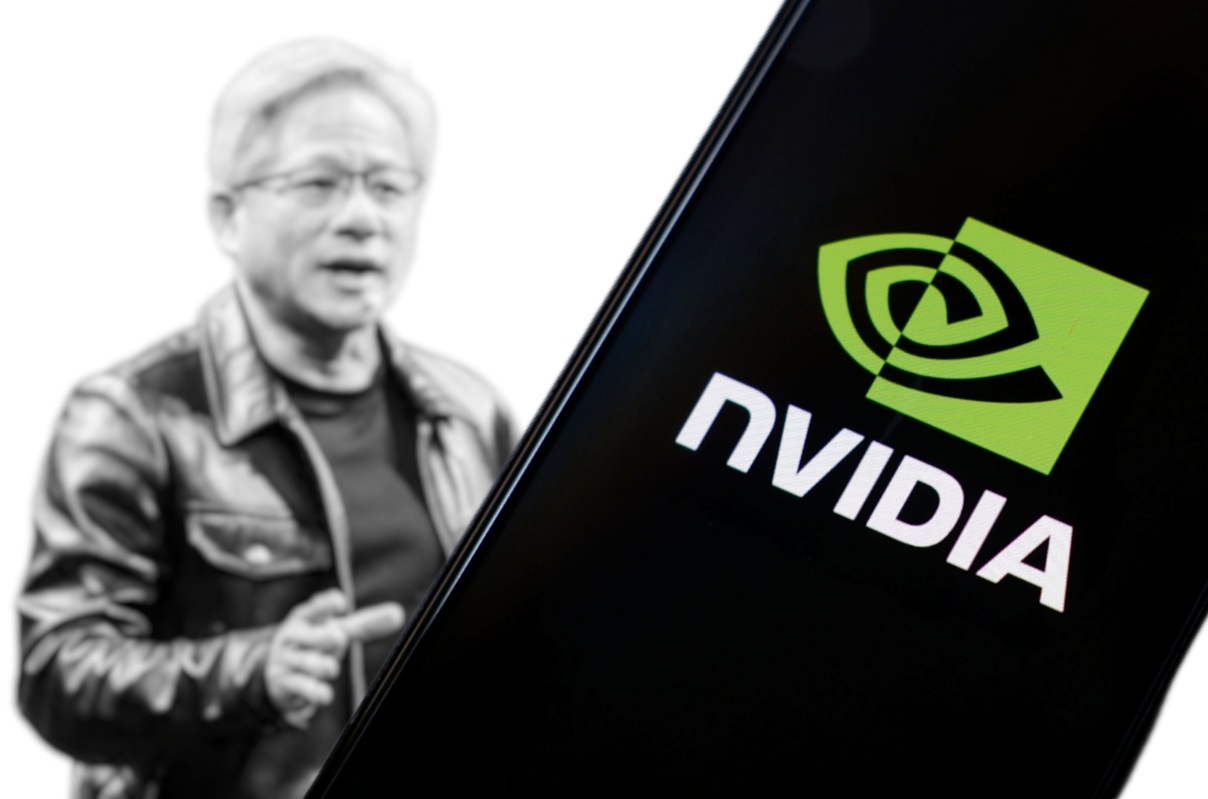
Nvidia CEO Jensen Huang announced on June 3, 2026, that the company’s annual spending in Taiwan has surged to approximately $100 billion, with expectations to reach $150 billion. This massive investment reinforces Taiwan’s critical role in the global AI supply chain as geopolitical tensions between the United States and China continue to escalate.
Nvidia’s $150 Billion Bet on Taiwan’s Tech Ecosystem
The commitment from Nvidia signals a deepening reliance on Taiwan’s semiconductor infrastructure, which currently stands as the heartbeat of the global artificial intelligence revolution. Speaking in Taipei, Jensen Huang revealed that the company’s annual investment has ballooned from $10–15 billion just a few years ago to the current $100 billion level, according to reporting by Fortunegreece.com. Beyond immediate spending, the company plans to establish new headquarters in Taipei, with construction slated to begin later this year and operations targeted for 2030.
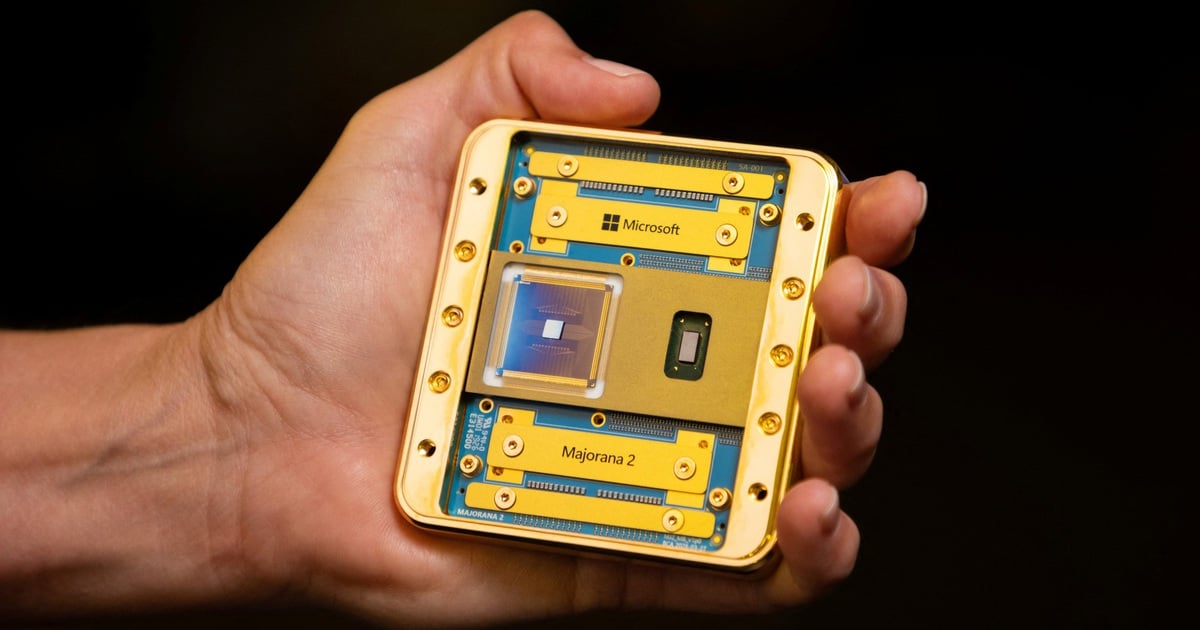
This strategic expansion is tethered to the production capabilities of the Taiwan Semiconductor Manufacturing Company (TSMC). As the world’s leading contract chipmaker, TSMC produces the most advanced processors required for AI applications and data centers. The new Nvidia offices will be situated in close proximity to TSMC facilities to streamline the collaboration that currently powers the next generation of supercomputing, as noted by Fortunegreece.com.
The Economic Stakes of Regional Instability
While Nvidia deepens its industrial footprint, European and American officials remain wary of the security implications surrounding Taiwan. The region has become what Marcin Jerzewski, head of the Taipei office of the European Values Center for Security Policy, calls a dangerous blind spot for the European Union. Concerns have intensified following a January incident where a Chinese military drone crossed into Taiwanese airspace, an act observers view as part of a long-term strategy to exert control over the island.
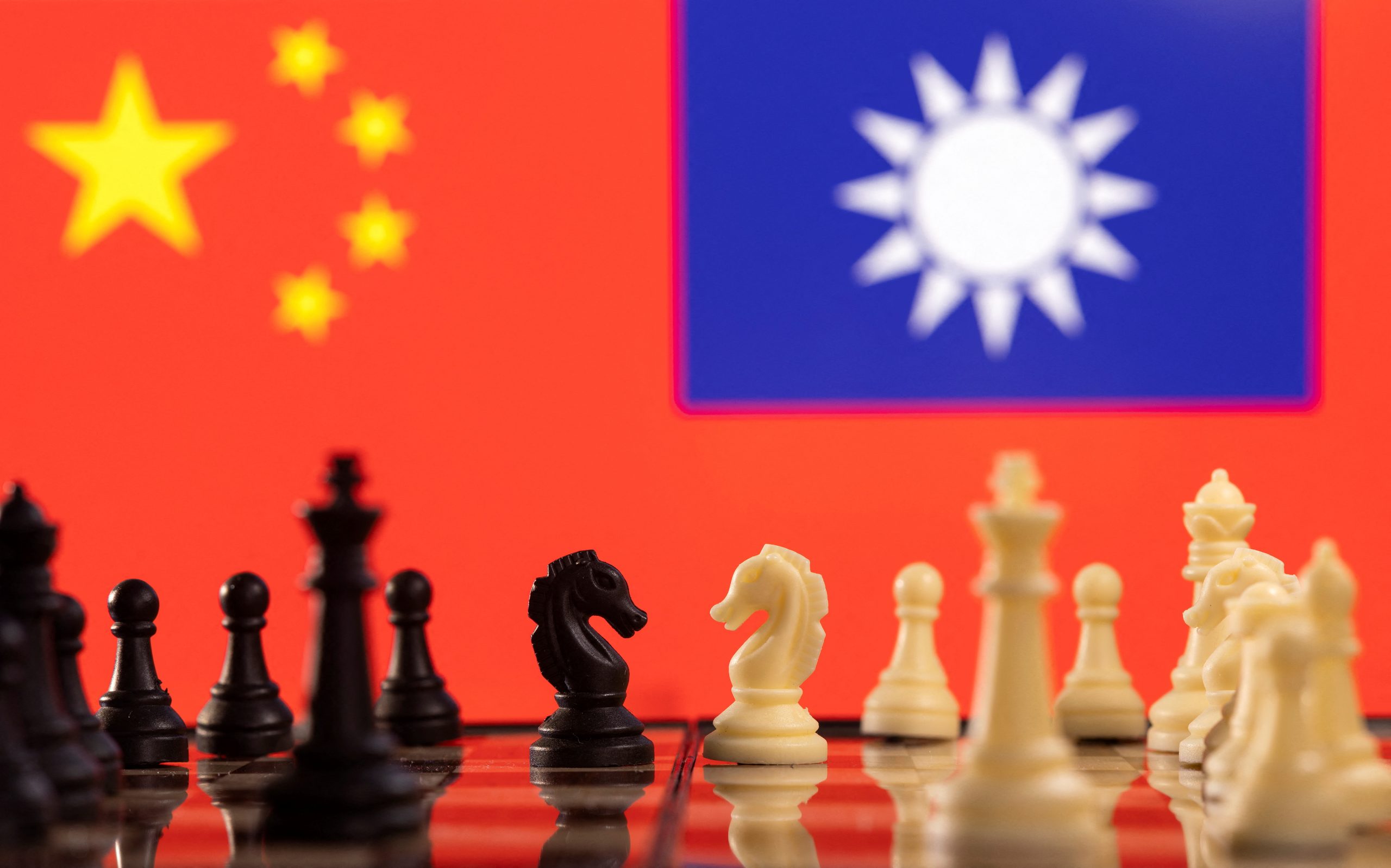
The potential economic fallout of a conflict is staggering. Research from Bloomberg Economics, as cited by the Oikonomikos Tachydromos, suggests that a war over Taiwan could cost the European Union approximately $2 trillion in the first year alone. The analysis highlights that Germany would be particularly vulnerable, with a projected 14% contraction in its economy due to its heavy reliance on Taiwanese semiconductors and Chinese rare earth elements.
| Region | Projected GDP Impact (First Year of Conflict) |
|---|---|
| European Union | ~$2 Trillion |
| Germany | -14% |
| Italy | -8.8% |
| Spain | -7% |
| France | -6.5% |
TSMC’s Dominance and the Competitive Landscape
Despite the geopolitical risks, TSMC continues to maintain a commanding lead in the global foundry market, controlling roughly 70% of the sector for specialized chips. CC Wei, CEO of TSMC, recently dismissed the competitive ambitions of Samsung as unrealized aspirations during a shareholder meeting, according to Vietnam.vn.
"Twenty years ago, our competitor said they would catch up to TSMC in 10 years. Ten years ago, they said they would do it in another 10 years and recently, they continued to give the same promise," CC Wei, CEO of TSMC, via Vietnam.vn.
While Samsung holds a stronger position in the High Bandwidth Memory (HBM) sector, TSMC’s success is driven by its execution, advanced packaging solutions like CoWoS, and long-standing relationships with major clients like Nvidia. As of June 2026, the industry remains in a state of high demand for AI hardware, leaving TSMC as the primary partner for companies attempting to develop powerful AI accelerators.
Geopolitical Outlook and Future Uncertainties
The political landscape remains fluid. Although there are no immediate signs of a full-scale invasion, the diplomatic environment is shifting. In April, Chinese President Xi Jinping met with a high-ranking Taiwanese opposition leader, a move interpreted by many observers as a signal that Beijing may currently favor political influence over military aggression.
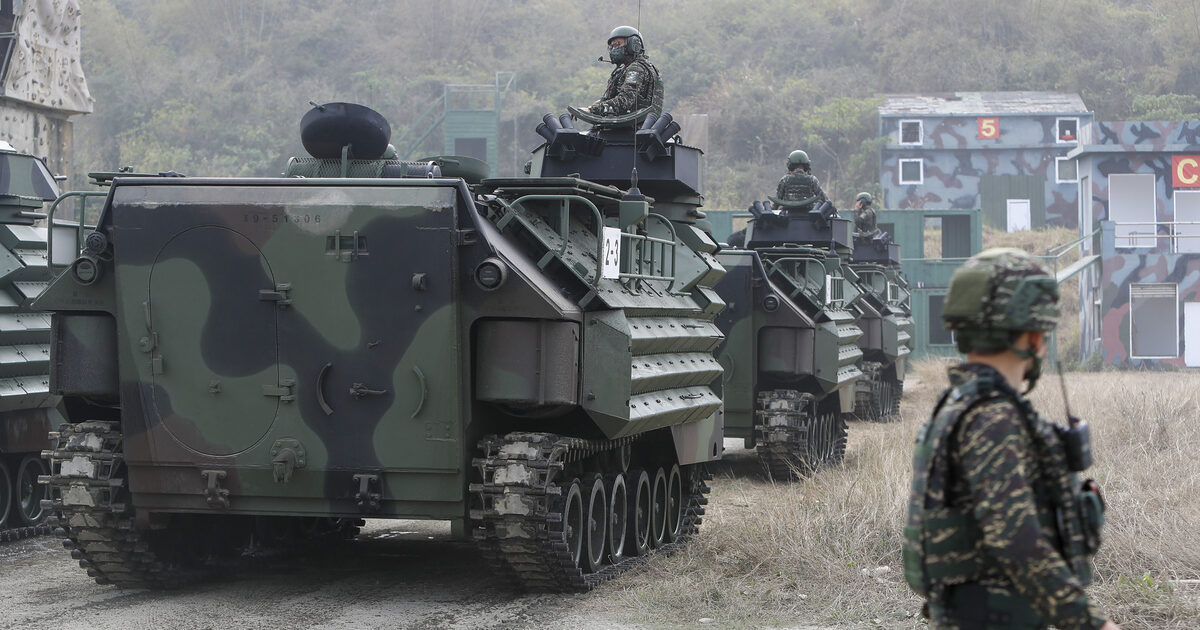
However, the intersection of Donald Trump’s stated desire to restore ties with Beijing and the persistent military provocations in the region creates a volatile atmosphere for Western policymakers. As reported by Oikonomikos Tachydromos, the global GDP is estimated to shrink by more than 8% in a conflict scenario, a figure that would eclipse the economic damage observed during the 2009 financial crisis and the global pandemic. For now, the tech industry continues to invest as if the status quo will hold, while global markets remain braced for the potential of a "dangerous blind spot" turning into a reality.
