
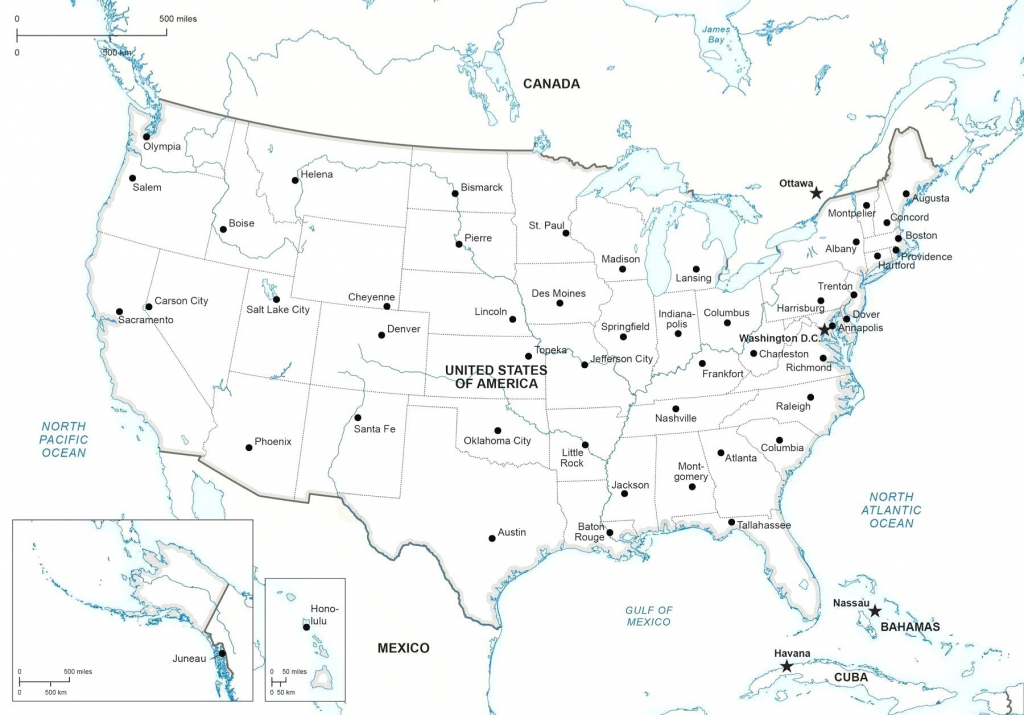
Three new cases of the New World screwworm have been confirmed in Texas and New Mexico, prompting expanded quarantine zones and a surge in sterile fly production, according to the U.S. Department of Agriculture (USDA). The parasite, which infests live flesh through open wounds, has raised alarms among veterinarians and cattle industry leaders as authorities race to contain its spread.
Rising Cases and Quarantine Measures
The USDA confirmed five cases as of June 9, 2026, including a dog in New Mexico that was initially misclassified as a Texas case. The first two cases were found in calves in south Texas, with additional infections reported in La Salle and Gillespie Counties. Each new case has triggered a 12-mile quarantine zone, aimed at slowing the parasite’s advance. “When that first case is seen, everyone is being vigilant and their eyes are on it more intensely,” said Edward Burgess, a University of Florida entomologist, via AP News.
New Mexico State Veterinarian Samantha Holeck emphasized the need for heightened inspections following the dog’s discovery. “If they find infected flies, animal inspections in the area will increase,” she stated during a virtual conference, per AP News. The USDA’s unified response includes bolstering defenses in Mexico and Central America to push the pest back, as outlined in APHIS’s five-pronged plan.
Sterile Fly Program and Funding
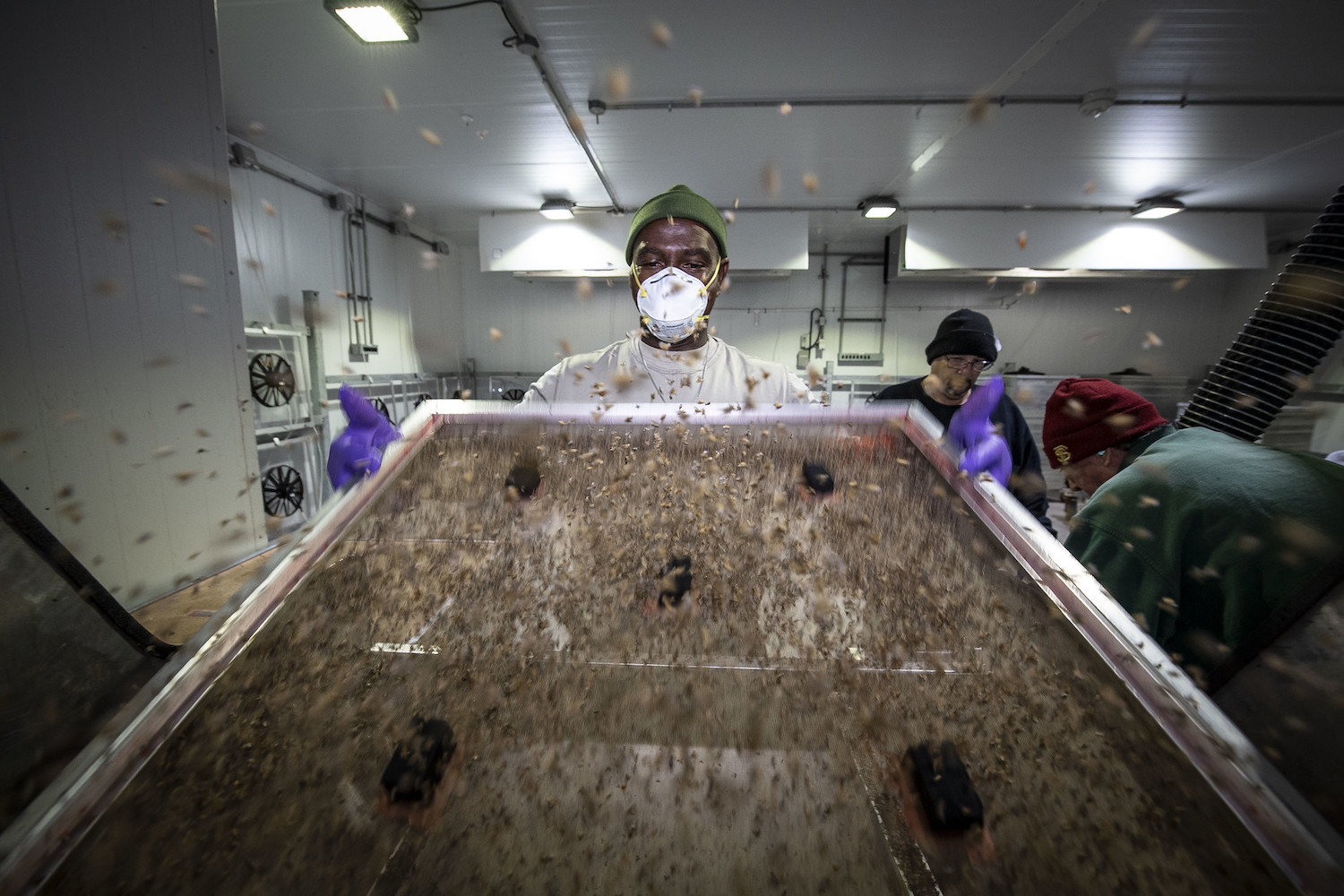
The USDA has been deploying sterile male flies since February 2026 to disrupt the screwworm’s breeding cycle. This method, which successfully contained the parasite in Panama for decades, now faces challenges as new cases emerge. The agency is accelerating production at facilities outside the U.S. and planning a $750 million fly factory in Texas, as reported by AP News. “This is a highly treatable condition if you act on it immediately,” said a USDA official, per APHIS.
For more on this story, see Medellín Boosts Measles Vaccination for 2026 World Cup Travelers.
Despite these efforts, the parasite’s resilience has sparked concerns. Burgess noted that increased surveillance often leads to more detections. “And when you are looking for something, you are more likely to see it,” he said, according to AP News. The USDA has also warned that the pest’s preference for humid climates could complicate efforts in northern states during summer months.
Expert Analysis on Outbreak Dynamics
Entomologists warn that the screwworm’s reemergence could have far-reaching consequences. The parasite, which thrives in warm, moist environments, poses a threat to both livestock and wildlife. “Animals can die within a few weeks if not treated,” said Burgess, citing AP News. The USDA has approved 12 medications for livestock, but the long-term solution—mass production of sterile flies—remains months away.
Public health officials are also monitoring potential human infections. While rare, the parasite has been known to infest open wounds in people. “What the hell is a good fly?” joked one researcher, per AP News, highlighting the challenges of eradicating a pest that thrives on human and animal vulnerability.
This follows our earlier report, WHO Urges Ebola Testing Amid Growing Outbreak.
Regional Impact and Trade Concerns
The outbreak has already triggered trade disruptions. Canada temporarily banned cattle imports from Texas, citing fears of spread. Meanwhile, the U.S. cattle industry, already strained by low herd numbers, faces potential economic fallout. Beef prices remain near record highs, but the USDA has not yet reported significant market instability. “The parasite attacks live cattle, but it does not infest meat or fruit,” a spokesperson noted, per AP News.
Looking ahead, the focus remains on expanding sterile fly production and strengthening border defenses. “We are supporting robust response activities in Mexico and Central America to push the pest back,” said the USDA, per APHIS. As the summer approaches, authorities warn that vigilance will be critical to preventing a larger outbreak.
“When that first case is seen, everyone is being vigilant and their eyes are on it more intensely,” Burgess said. “And when you are looking for something, you are more likely to see it.
