
Understanding the Gender Gap in Cardiovascular Care: Why Women’s Heart Health Requires a Specialized Approach
Medical perspectives on cardiovascular health are shifting as evidence grows that myocardial infarction in women is a distinct condition from the disease that affects men. This distinction is critical, as the differences in how heart disease manifests and is treated in women can significantly impact patient outcomes and survival rates.
The Biological Distinction in Heart Attacks
Recent clinical insights emphasize that myocardial infarction in women is a distinct disease compared to the version typically seen in men. Because the pathology can differ, a one-size-fits-all approach to cardiology often fails to address the specific needs of female patients. Recognizing these differences is essential for improving diagnostic accuracy and tailoring treatment plans to the female physiology.
Addressing Diagnostic Bias in Chest Pain
Beyond biological differences, the medical community is grappling with systemic biases in how chest pain is managed in women. There is a growing call to better recognize the biases in the management of thoracic pain in female patients. When symptoms are misinterpreted or dismissed due to gender-based assumptions, critical windows for intervention are lost. Improving the recognition of these biases is a vital step in ensuring women receive the same urgency and quality of care as their male counterparts.
A Three-Pillar Framework for Prevention
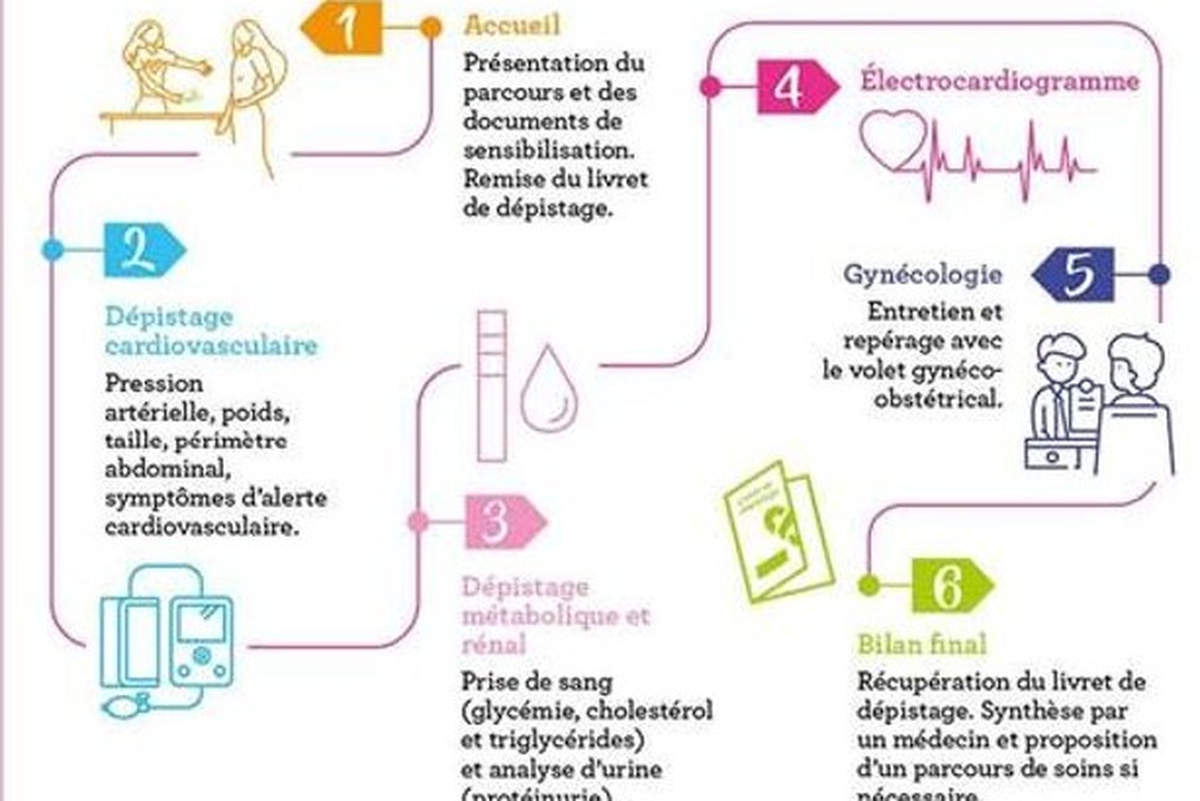
To combat these risks, health authorities are promoting more rigorous prevention strategies. The CNPCV has established a practical framework for cardiovascular prevention in women centered on three core actions: screening, control, and monitoring. By implementing a structured approach to screening and following up on cardiovascular health, providers can identify risk factors earlier and manage them more effectively before they escalate into acute events.
Rising Risks and Community Awareness
The urgency of these measures is underscored by regional trends showing that cardiovascular diseases are increasingly affecting women, as seen in areas like Lorraine. This rise in incidence has sparked localized efforts to bridge the knowledge gap.
Community-driven initiatives, such as the “Day for Women’s Hearts” in Vandœuvre-lès-Nancy, aim to educate women on the signs of heart disease and the importance of proactive health management. These events highlight the necessity of bringing cardiovascular education directly to the public to empower women to advocate for their own health.
the integration of gender-specific medical knowledge and the removal of diagnostic biases are essential for reducing the mortality and morbidity of heart disease in women. Strengthening both clinical protocols and community awareness remains the most effective path toward health equity in cardiology.
