

Yandex has launched “Drops,” its first foray into wearable artificial intelligence, integrating its Alice AI directly into a pair of wireless earbuds. Priced at 8,990 rubles, the device utilizes an onboard NPU for voice processing and offers users direct, phone-free access to the company’s neural network models starting June 16, 2026.
Hardware Specs and AI Integration
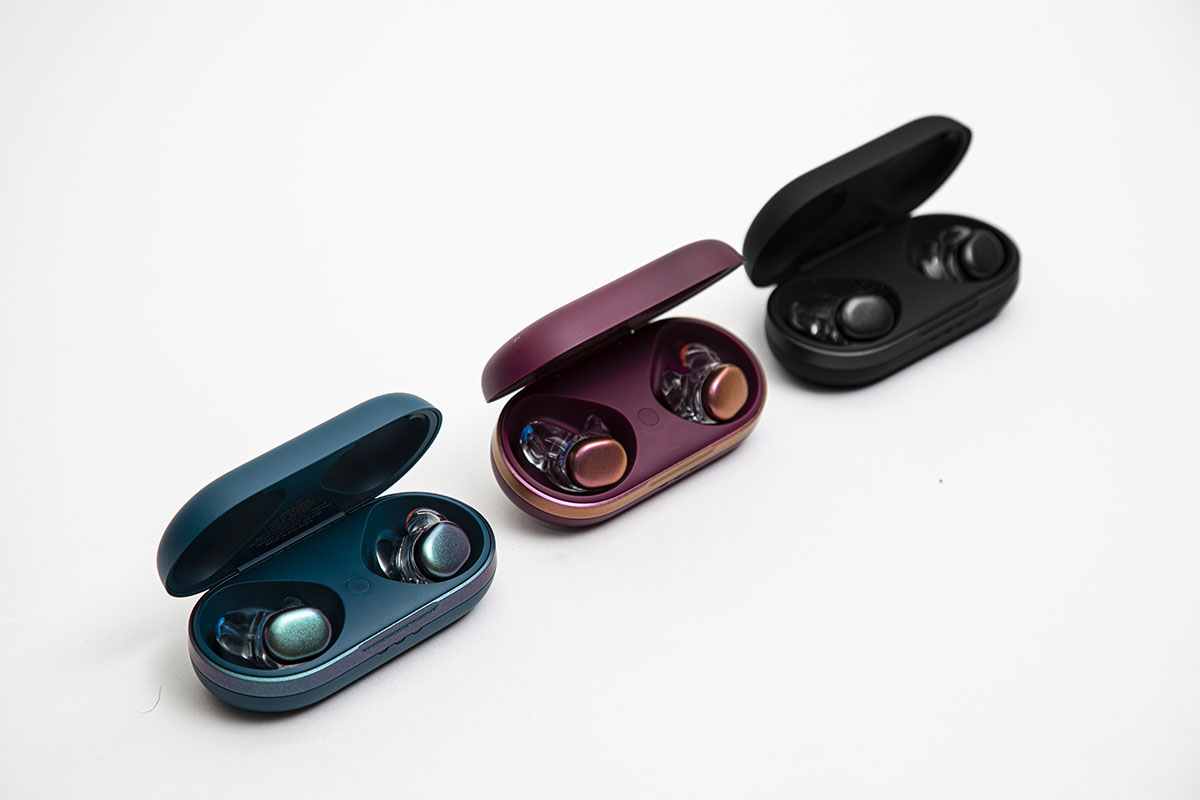
The Yandex Drops represent a strategic shift from software-based assistance to integrated, hardware-bound AI. According to reporting by Rozetked, the earbuds are powered by 11-millimeter drivers and feature three distinct modes of active noise cancellation. The company is positioning the device as a “wearable AI,” designed to keep users connected to Alice without needing to reach for their smartphones.
Technical performance metrics indicate a battery life of up to five hours with noise cancellation and AI features enabled, extending to eight hours when used strictly for audio playback. The hardware includes IP54-rated dust and moisture protection. Crucially, the earbuds handle AI requests via an integrated NPU, which Yandex says ensures the assistant’s responses mirror the capabilities of the Alice AI chat experience found in the company’s mobile applications.
In terms of connectivity, the device utilizes Bluetooth 5.4, supporting multipoint connection for simultaneous pairing with two devices, such as a laptop and a smartphone. Yandex engineers specified that the latency for AI-triggered voice commands has been optimized to under 200 milliseconds, a figure intended to minimize the “dead air” often associated with cloud-based voice assistants. The charging case supports wireless charging via the Qi standard, providing an additional 25 hours of total playback time.
The “My Memory” Feature and Workflow
A central pillar of the Drops launch is the “My Memory” function, an upcoming update that aims to centralize user data management. Yandex states that this tool will handle notes, reminders, and lists, allowing users to interact with their personal information through voice commands or manual entry.
“The neural network will also remind you about important things in time — through the headphones, a notification on the phone, a Station, or a TV Station,” the company noted in a statement. This ecosystem approach is intended to solve the fragmentation of information across various messaging apps and platforms, consolidating data into a single, queryable interface accessible across Yandex’s hardware line.
The “My Memory” architecture relies on a vector database implementation that allows the Alice model to perform semantic searches across a user’s historical interactions. Unlike previous versions of Alice, which treated queries as isolated events, the Drops interface creates a persistent, stateful memory. Yandex executives have confirmed that the data processed for “My Memory” is encrypted locally on the device before being synced to the user’s Yandex ID cloud storage, a response to increasing consumer demand for data sovereignty in wearable technology.
Real-World Utility and Comparative Analysis
While Yandex emphasizes its proprietary AI model, users are already testing the limits of Alice’s practical application in domestic planning. A detailed analysis on Habr suggests that while Alice may lag behind OpenAI’s models in pure technical benchmarking, its strength lies in localized, practical task management within the Russian market.
One user detailed their experience using Alice to organize a holiday trip to Moscow, noting that the AI successfully managed complex, multi-step requests. The user reported:
“I bought tickets for the Nikulin Circus, for ‘Cinderella’ from Navka, rented an apartment, I know where I will have breakfast, eat… I bought RZD tickets 🙂 everything is on Alice’s advice ))) I sat right there. I talked to her, discussed the New Year holiday.”

The same user suggested that Alice offers tailored recommendations—such as suggesting a “children’s stand-up” show—that feel more grounded in local reality than generic responses from global competitors. The AI’s ability to suggest specific logistical steps, such as where to buy breakfast ingredients or how to navigate transit before hotel check-in times, is the primary value proposition for early adopters.
Independent reviewers, including tech analyst Mikhail Kuznetsov, have noted that the Drops’ integration with the Yandex Go taxi service represents a significant competitive advantage. While global competitors like Apple’s AirPods or Google’s Pixel Buds rely on third-party API hooks for ride-hailing, the Drops allow for native, in-ear booking and status updates directly through the Yandex ecosystem. However, critics have pointed out that the NPU’s processing power is limited to specific Alice-enabled tasks; complex, non-native LLM queries still require an active data connection to Yandex’s server-side YandexGPT clusters, creating a “two-tier” performance experience depending on the complexity of the request.
Market Availability and Rollout
Yandex is managing the release of the Drops through a phased rollout strategy. During the first week of availability, the device is exclusively purchasable through the chat interface with Alice AI. Following this, the company plans a wider retail distribution:

- June 16, 2026: Retail launch in Russia, Kazakhstan, and Belarus.
- June 30, 2026: Retail launch in Uzbekistan.
The device will be available in three colors: white, black, and purple. As Yandex attempts to transition its user base from passive voice control to active, AI-driven personal assistance, the success of the Drops will likely depend on whether the “My Memory” feature can consistently deliver the level of logistical reliability that early testers are already praising.
In retail channels, Yandex has partnered with major electronics retailers M.Video and Eldorado to provide in-store demo stations where customers can test the “My Memory” voice activation latency. Market analysts at Data Insight suggest that the 8,990 ruble price point positions the Drops in the “premium-mid” segment, directly challenging the Jabra Elite and Soundcore Liberty series. Unlike those competitors, which focus primarily on acoustic fidelity, the Yandex strategy prioritizes the “Alice-as-a-service” model. Yandex has committed to providing monthly firmware updates for the first year of the product’s life cycle to refine the NPU’s voice-recognition accuracy in noisy outdoor environments, a common failure point for previous generation wearables.
