
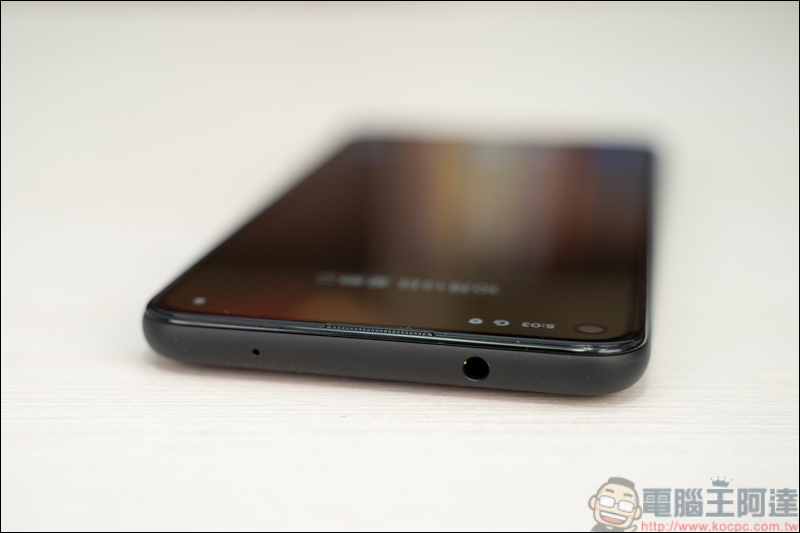
The disappearance of the headphone jack from most smartphones is now approaching its tenth anniversary. Although a loss for some, the move was driven by multiple factors and, in many ways, has spurred innovation in mobile device design.
A Decade Without the Headphone Jack: What Have Smartphones Gained?
Thinner Phones Grow Possible
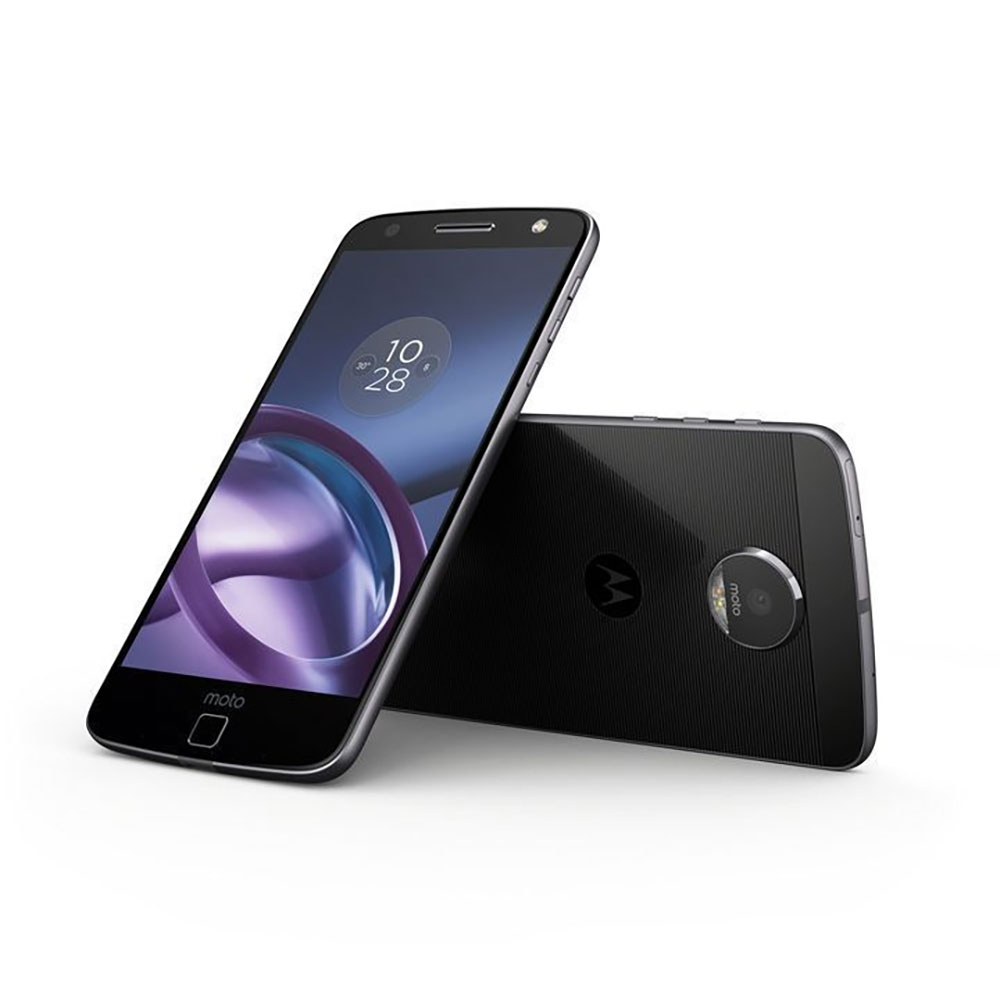
The pursuit of ultra-thin smartphones, exemplified by the iPhone Air and Samsung Galaxy S25 Edge, ultimately proved unsuccessful. These devices sacrificed key features – fewer cameras, reduced battery life, and higher prices – in the name of slimness. Ironically, even with significant marketing efforts, they weren’t as thin as a 2016 Android phone: the Motorola Moto Z. At just 5.2 millimeters thick, the Moto Z was the first Android phone to ditch the headphone jack, even preceding Apple’s move. While its specifications are dated now, its design philosophy has been fully embraced by newer models.
While seemingly small, the headphone jack occupies more space than a USB-C port. This limited phone thickness as long as it remained a standard feature. With the rise in popularity of Bluetooth headphones, this limitation became more acceptable, and manufacturers could reintroduce the jack if needed. Though ultra-thin slab phones haven’t become mainstream, the need for reduced thickness is critical for foldable devices. The Galaxy Z Fold 7 is already approaching the limits of what’s possible around the USB-C port. Many still find flip-style foldables too bulky and impractical, and similar slimming progress is anticipated.
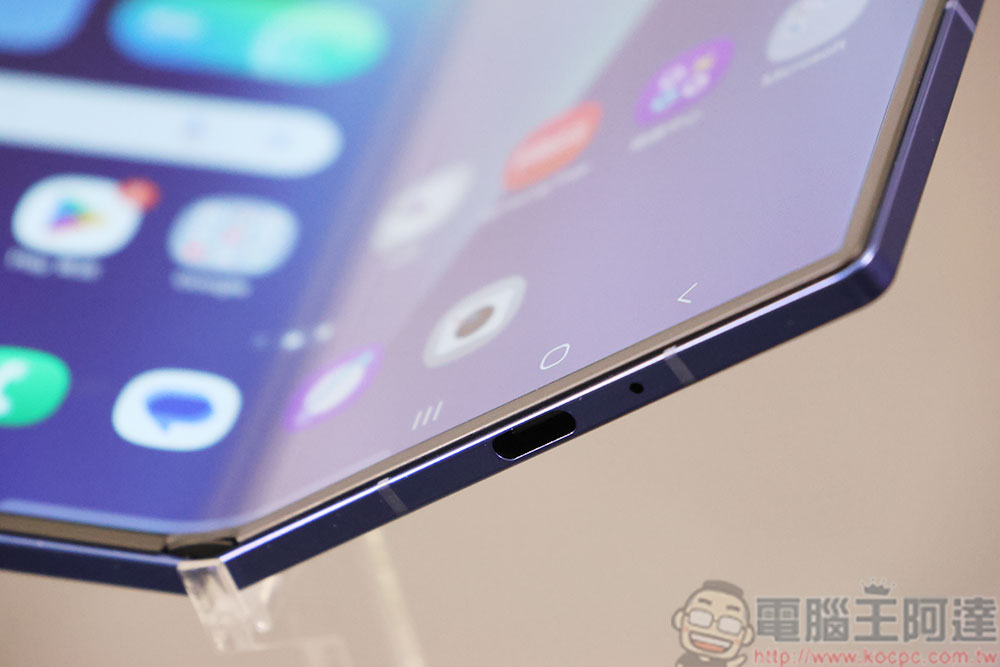
It’s understandable that some don’t prioritize phone thinness, but the removal of the headphone jack has quietly improved many everyday experiences.
Larger Batteries, Camera, and Audio Components
When considering the impact of the headphone jack on phone design, it’s not about how small the port looks, but the volume it occupies inside the device. A teardown of the Galaxy S9+ by iFixit clearly illustrates the size of the headphone jack module within the phone’s interior.
Comparing this to iFixit’s teardown of the Galaxy S25 Ultra highlights the difference.
Modern phones leave virtually no internal space unused. The volume freed up by removing the headphone jack has been reallocated to more significant components: larger camera modules now occupy almost all of the upper space, even extending into the top of the device. multi-speaker designs are increasingly replacing single downward-firing speakers; and most noticeably, larger batteries finally have room to grow. This shift reflects a broader trend in mobile technology towards prioritizing core functionality and user experience.
More Durable Devices
Our phones are constant companions, and to withstand daily life, they’ve become increasingly robust. Dropping a phone in water is no longer a disaster; retrieving it often results in continued functionality. Some models can even withstand the pressure and steam of a shower. If you’re filming a kayaking trip, your phone can remain functional in damp conditions, often without needing an additional case.
Many phones now boast IP68-rated water and dust resistance, and can even handle beach sand. These improvements are linked to reducing external interfaces. In a sense, the disappearance of the headphone jack has helped more waterlogged phones survive.
