
UK Museums face Growing Pressure to Reevaluate Restitution Policies
In recent developments,UK museums are under increasing pressure to reconsider their policies on the restitution of artefacts,particularly those acquired during the colonial era. Tristram Hunt, director of the Victoria and Albert Museum (V&A), has noted a “growing appreciation” that the current status quo is unsustainable. This sentiment comes amid discussions with the new government, wich appears interested in revising legislation to grant national museum trustees more autonomy over their collections.
Currently, the National Heritage Act 1983 restricts trustees of certain national museums, including the V&A and the Science Museum Group, from deaccessioning objects unless they are duplicates or irreparably damaged. Similarly, the british Museum Act 1963 prevents the British Museum from disposing of its holdings, a significant barrier in the ongoing debate over the return of the Parthenon Marbles to Greece.
Despite these legal constraints, several UK institutions not bound by such laws have taken steps to return artefacts to their countries of origin. Notably, the universities of Aberdeen and Cambridge were among the first to commit to returning Benin bronzes to Nigeria. however, at the governmental level, the UK has yet to implement policy initiatives encouraging the restitution of colonial heritage, a stark contrast to countries like France, Germany, and Austria, which have established legal frameworks to facilitate such processes.
Political challenges in these countries have slowed progress,but the conversation around restitution remains active. In 2017, French President Emmanuel Macron ignited global debate with his statement in Burkina Faso that “African heritage can’t just be in European private collections and museums.” Since then, France’s journey toward restitution has been complex, with the French Senate approving a related bill in January 2022.
As discussions continue, the UK faces mounting calls to align its policies with international efforts, reflecting a broader shift in how cultural heritage is perceived and managed globally.Restitution of Cultural Artefacts: A Global Overview
In a significant move towards cultural restitution, the Musée du Quai Branly-Jacques Chirac in Paris has agreed to return an important artefact to the Ivory Coast. The Djidji Ayôkwé drum,a vital piece used by the Ébrié community to signal danger,was transferred to the Ivorian government in November. however, this transfer is currently a long-term loan, with full ownership pending the passage of a new law expected early this year.
Germany,which made headlines in 2022 with its decision to return 1,100 Benin bronzes to Nigeria,has seen a slowdown in the restitution of colonial-era artefacts. The initial handover of 22 bronzes led to controversy when the outgoing Nigerian president designated the oba (king) of Benin as the owner, raising concerns in Germany about the artefacts’ accessibility to the public. This progress was met with criticism in German media, labeling the returns as a “fiasco” and a “scandal.”
Despite the establishment of a new arbitration tribunal to address claims for Nazi-looted art, Germany’s progress on colonial-era restitutions remains stalled, with no significant advancements expected until after the upcoming elections on February 23.
Austria is also experiencing delays in its restitution efforts. Andrea Mayer, the former culture secretary, had pledged to introduce legislation by March 2024 to address colonial-era acquisitions in national museums. However, the proposal was not approved before the September elections, which saw the far-right Freedom Party secure nearly 29% of the vote, becoming the largest party. As coalition negotiations continue, the proposed law remains ”on hold,” according to Jonathan Fine, the new director general of the Kunsthistorisches Museumsverband.
In France, efforts to address colonial-era restitutions have been similarly delayed. A draft bill proposing a national expert commission for non-European restitution cases and the return of human remains from public collections was adopted in December 2023. Though, the third part of the proposal, concerning colonial items, has yet to be scheduled for debate in the National Assembly. The process was interrupted by snap parliamentary elections called by President Macron last June, according to Senator Pierre Ouzoulias.
As countries grapple with the complexities of cultural restitution, the path forward remains uncertain, with political changes and legislative hurdles impacting progress. The global conversation on the return of cultural artefacts continues to evolve, highlighting the need for clear policies and international cooperation.UK Government Engages in Progressive Discussions on Museum Restitutions
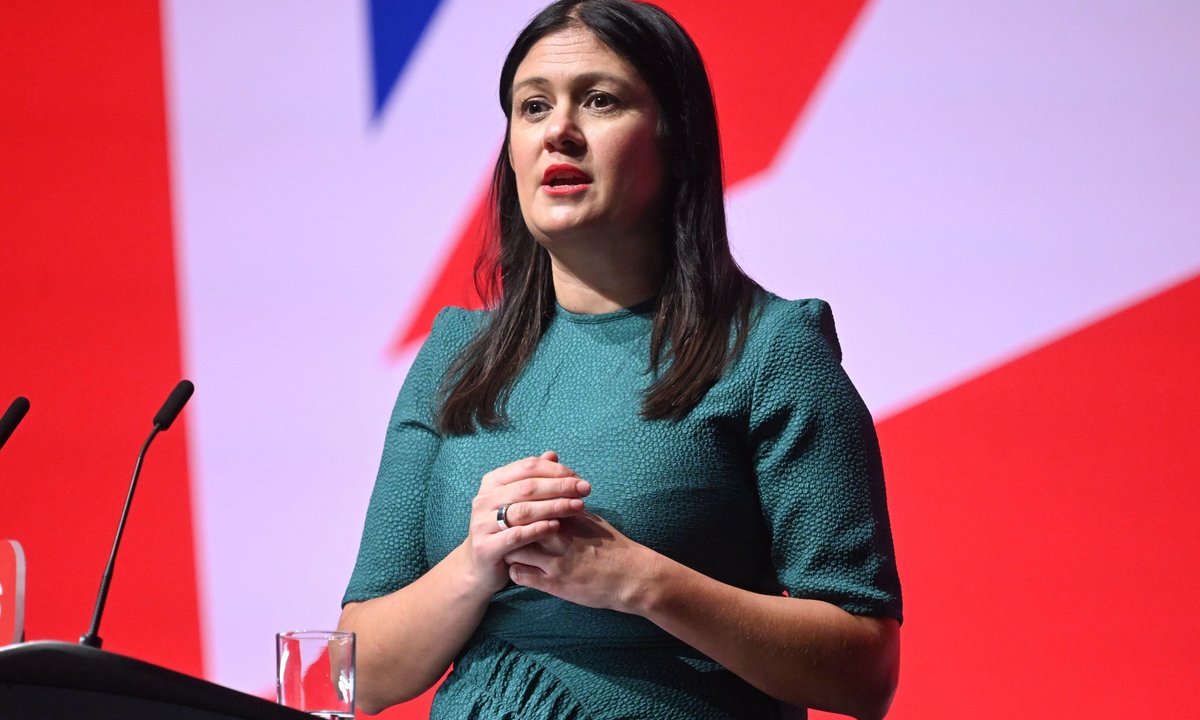
in a move that contrasts with the broader European trend, the UK is advancing its debate on the restitution of artefacts. Discussions are currently underway between government ministers and key institutions, including the British Museum. This development follows an initiative by George Osborne, the museum’s chair and former chancellor, who reached out to Lisa Nandy, a prominent political figure, to address the issue.The museum sector in the UK presents a spectrum of opinions on the matter. Though, Nandy emphasizes the need for a consistent governmental approach to restitution. This sentiment is echoed by Amy Shakespeare, an academic at Exeter University and founder of the institution Routes to Return. Shakespeare expressed enthusiasm about Nandy’s public engagement with the topic, highlighting the importance of such discussions in shaping future policies.
The UK’s proactive stance comes at a time when other European countries face challenges in their restitution efforts. In the Netherlands, as an example, budget cuts threaten the continuation of provenance research, a critical component of restitution processes. Jos van Beurden, an expert on colonial-era artefacts, notes that the largest government-funded research project, Pressing Matter, is only financed until the end of this year, raising concerns about future funding.
As the UK navigates its path forward, the outcome of these discussions could set a precedent for how cultural artefacts are managed and returned, potentially influencing international practices in the museum sector.UK Museums and the Path to Repatriation: Navigating Legal and Moral Grounds
In a significant move towards cultural restitution, UK museums are increasingly exploring avenues to return artifacts to their countries of origin, driven by both legal frameworks and moral imperatives. This shift is underscored by recent developments and ongoing debates within the UK’s cultural and legislative landscape.
Last year, the Horniman Museum and Gardens in South London made headlines by transferring ownership of 72 Benin objects to Nigeria.This decision, facilitated under the Charities Act, marked a pivotal moment in the museum’s history. While six of these artifacts were physically returned in 2022,the remainder continues to be displayed at the Horniman under a loan agreement,showcasing a collaborative approach to cultural heritage.
The move by the Horniman Museum is emblematic of a broader trend among UK museums, which are increasingly seeking ways to navigate the complex legal landscape governing artifact restitution. Nick Merriman,former chief executive and director of content at the Horniman,highlights the challenges faced by national museums,which are bound by primary legislation that typically restricts the transfer of items. In contrast, institutions like the Horniman operate under charity law, providing a different legal pathway for restitution.
The Charity Commission’s current guidance requires trustees to present “clear and impartial” evidence of a “moral obligation” to transfer ownership of cultural items.This framework has been pivotal in enabling museums to act on moral grounds, a sentiment echoed by Merriman, who notes the acceptance of moral arguments by the Commission.
The debate over restitution is further fueled by calls for legislative changes.A policy briefing paper published last November advocates for UK national museums and galleries to have the autonomy to make independent restitution decisions. This proposal suggests that the Department for Culture, Media and Sport should support provenance research and training programs, thereby equipping museums with the necessary tools to address restitution claims.
Though, the path to legislative reform is fraught with challenges. The former Conservative government had excluded national museums and galleries from Sections 15 and 16 of the 2022 Charities Act, a decision that has sparked calls for reconsideration. with a change in government, there is potential for updates to the Charities Act, but ministers emphasize the need for an open and public debate on the issue.

4 comments
[…] France‘s Struggle with Depression Before COVID-19 […]
[…] and California’s aggressive zero-emission mandates, underscore the critical role government policy plays in driving consumer behavior and industry […]
[…] the company’s most vocal supporters is Nick F., a 39-year-old technology consultant from Washington, D.C. Nick’s journey with Palantir […]
[…] Germany‘s Strategic Response to China‘s Dominance in the European Electric Vehicle Market […]