
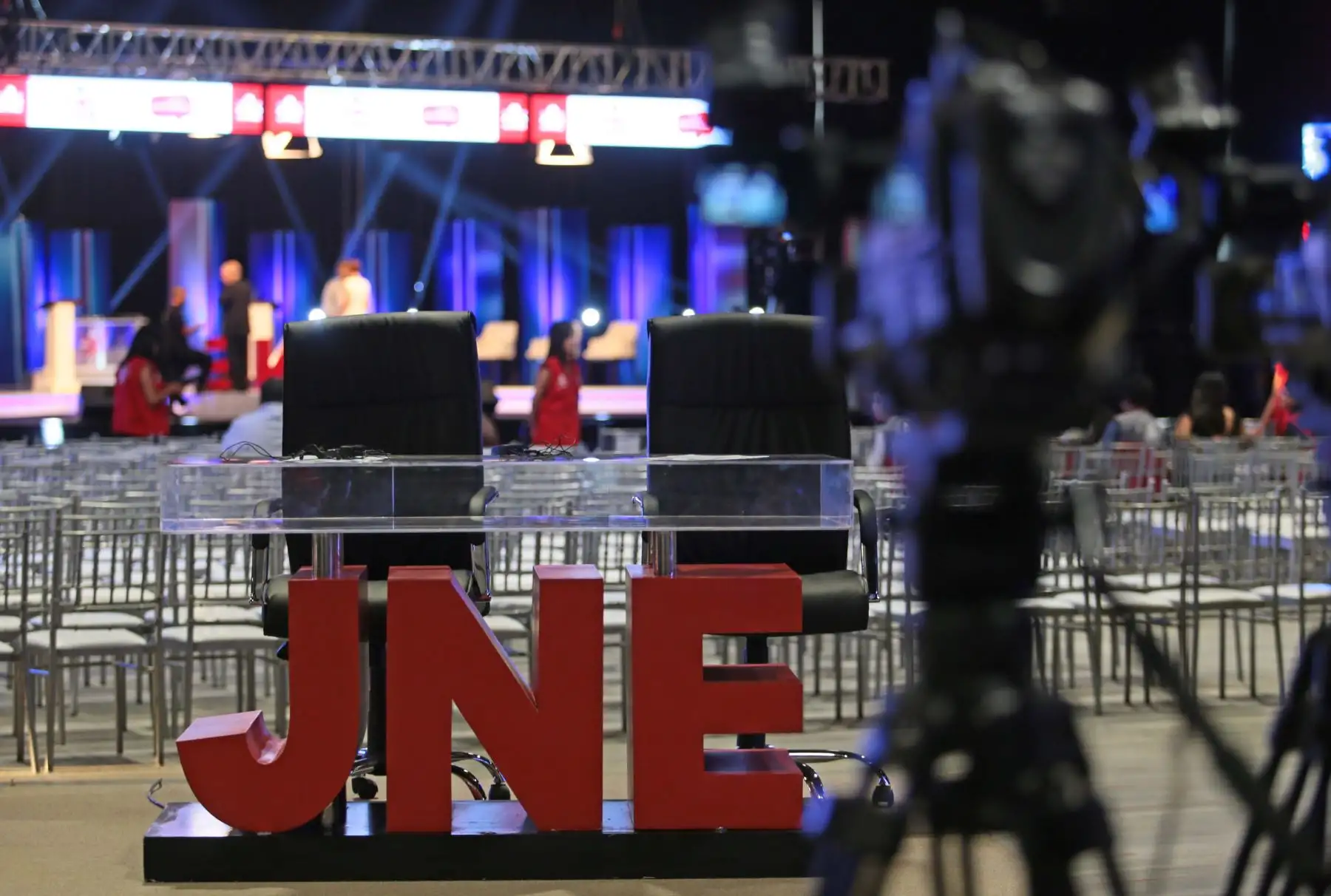
??? ¿Ya sabes cuándo será el debate presidencial y por dónde podrás verlo? Participarán 36 candidatos y se realizará en seis fechas: 23, 24 y 25 de marzo, así como 30 y 31 de marzo y 1 de abril. ?? Todos los debates empezarán a las 8:00 de la noche. https://t.co/wHYg7Tkp9B pic.twitter.com/OqVeK4l84a
— Agencia Andina (@Agencia_Andina) March 10, 2026
The debates will unfold over two phases, each consisting of three days: March 23, 24, and 25, and then March 30, 31, and April 1. The National Jury of Elections (JNE) organized the debates to ensure a fair and transparent exchange of ideas among the candidates.
The first three days of discussions will focus on citizen security and the fight against crime, as well as public integrity and combating corruption. Each day will feature 12 different candidates, selected through a lottery conducted by the JNE.
The following week will shift the focus to employment, development, and entrepreneurship, and then to education, innovation, and technology. The order of candidates appearing each day has also been determined by lottery and differs from the first phase.
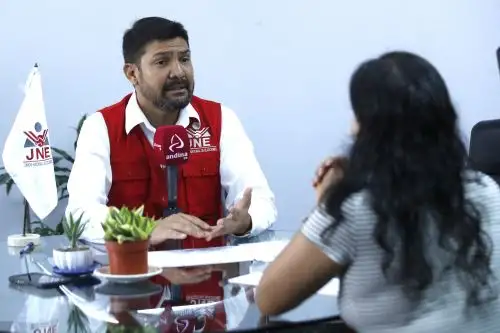
Carlos Vilela, the JNE’s National Director of Education, Participation and Civic Formation, explained to Agencia Andina that the debates will begin at 8:00 p.m. Local time and are expected to last two and a half hours.
The first phase of the debates will be moderated by journalists Fernando Carvalho and Claudia Chiroque, while Angélica Valdés and Pedro Tenorio will capture the helm for the second phase. All moderators were chosen by the participating political organizations.
Following an introduction by the moderators, who will present the candidates and explain the debate format, the first of four segments will begin. Candidates will debate in groups of three, a distribution also determined by lottery.
First Segment
During this initial segment, Vilela explained, Candidate A will have one minute to present their views on the day’s first topic. Using the first week as an example, this would be citizen security and the fight against crime.
Candidates B and C in the group will then have two and a half minutes each to respond. This same process will be repeated for each group of three candidates.
Once the first group has concluded, the next group of candidates will continue under the same participation model, until all four groups have been heard.
Second Segment
A different question will be posed to each candidate, chosen by lottery on the day of the debate. These questions will cover topics outside of those being debated that day, such as health or the economy, among others previously defined, Vilela said.
Final Segments and Closing
The JNE’s National Director of Education noted that the third segment will follow the same format as the first, but will address the second topic of the day. In the first phase, this would be public integrity and the fight against corruption.
Candidates will again present their proposals for one minute, with rebuttals of two and a half minutes from the other two candidates in the group, until all four groups have participated.
The fourth and final segment will be dedicated to closing statements, with each of the twelve candidates having one minute to address the nation.
“There, the candidate can take the opportunity to, for example, share their resume, explain why they want to be president – it depends on each one, to reach the citizenry,” Vilela indicated.
The presidential debates will be broadcast on the JNE’s signal and TV Perú, and retransmitted by other channels nationally and internationally.
(FIN) MCA/JCC
JRA
More in Andina:
La presidenta del Consejo de Ministros aseguró que los ministros de Estados cumplen con un perfil técnico y tienen la tarea de atender a la población.??https://t.co/ksco1RBQ1p pic.twitter.com/GBv6nEzsIT
— Agencia Andina (@Agencia_Andina) March 12, 2026
Published: 3/12/2026
