
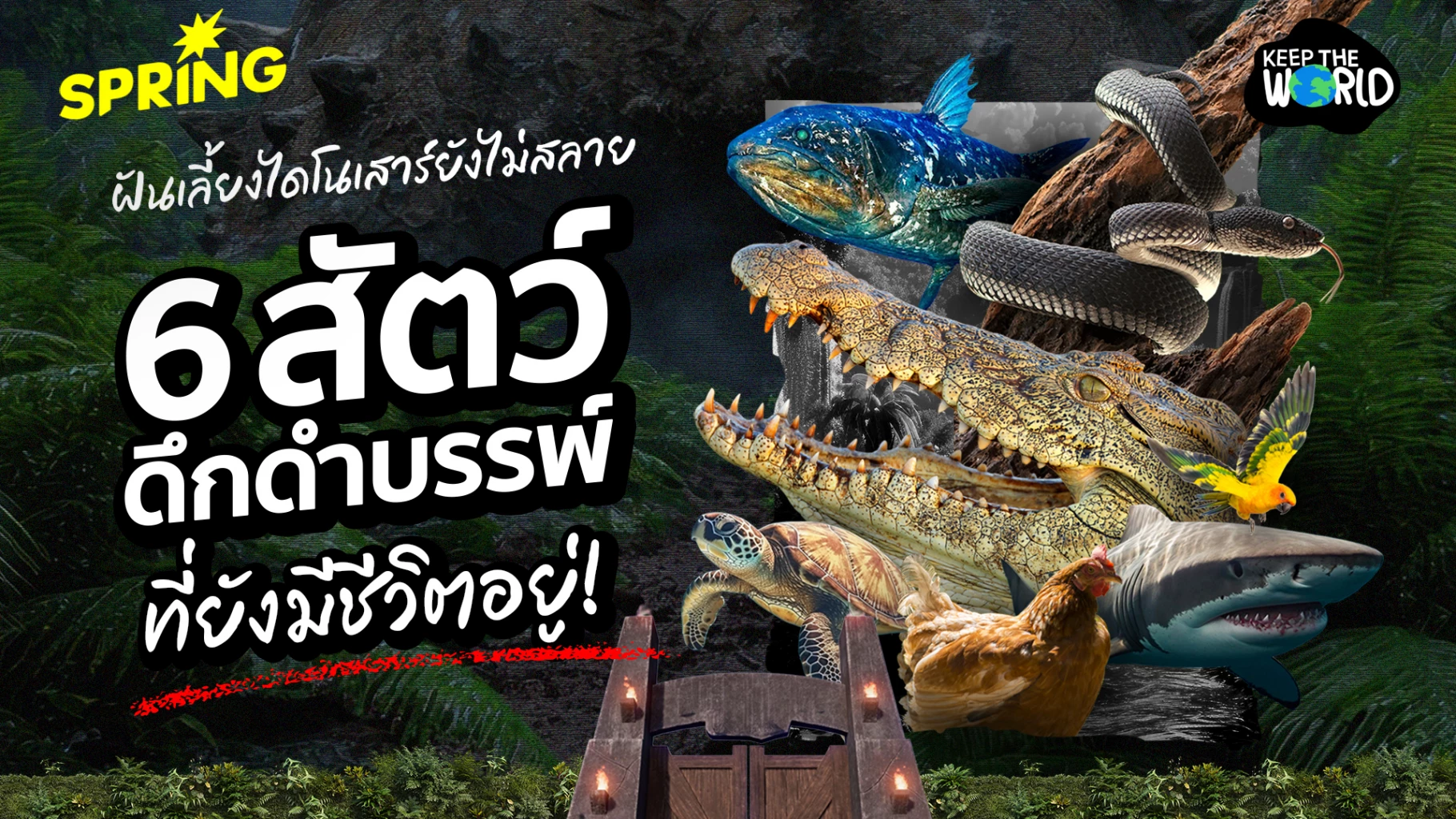
Some creatures have defied the odds, remaining remarkably unchanged for millions of years. Sharks, for example, are considered evolutionary masterpieces, with their basic body structure remaining consistent for hundreds of millions of years – maintaining a size comparable to today’s sharks, unlike dinosaurs which grew to enormous proportions. This resilience offers a unique window into understanding evolutionary stability, a topic of increasing interest as researchers explore the limits of adaptation in a changing climate.
Interestingly, the megalodon, a prehistoric giant shark, isn’t a direct ancestor of modern sharks, but rather a distant relative that coexisted with them. The megalodon ultimately went extinct due to climate change and a scarcity of food, while smaller, more adaptable sharks survived.
Sea Turtles (Ancient Companions)
Sea turtles share a common ancestry with dinosaurs and crocodiles, belonging to an early group of reptiles. The turtle lineage diverged independently around 230-250 million years ago, during the Permian-Triassic boundary – a period coinciding with the emergence of the first dinosaurs.
Sea turtles are among the few species that have survived two major extinction events. The first occurred at the end of the Triassic period (when dinosaurs began to dominate), and the second during the Cretaceous period (when an asteroid impacted Earth). Their strong shells and adaptability to deep water allowed them to survive, evolving and diversifying across the globe. Ancient sea turtles, like Archelon, which lived 70 million years ago, closely resembled modern sea turtles, though reaching lengths of over 13 feet.

Snakes (Subterranean Hunters)
Snakes aren’t direct descendants of dinosaurs, but are closely related reptiles that branched off from lizards approximately 120-150 million years ago (during the Jurassic to Cretaceous periods).
Fossil evidence confirms that ancient snakes once had legs. Pachyrhachis, a Cretaceous snake, possessed a long body but retained small hind limbs. Scientists believe they evolved by reducing their limbs to facilitate burrowing or swimming.

Coelacanth (The Fossil Grandfather)
If sharks are the elder siblings, the coelacanth is the ancient grandfather. This prehistoric fish has existed for 400 million years – twice as old as dinosaurs – and has remained largely unchanged for centuries.
Scientists once believed this fish went extinct along with the dinosaurs 66 million years ago, as no fossils younger than that date had been found. However, in 1938, a fisherman caught a live specimen off the coast of South Africa, shaking the scientific community with its remarkably preserved form.

Remarkably, coelacanth fossils have even been found in Thailand. A discovery in 2023 of a jaw fragment in Muekda province provided clear evidence that these fish once swam in Thai waters.

Source Information
