

A new study suggests a dietary link to better oral health for seniors: consuming foods rich in lycopene may significantly reduce the risk of gum disease. Researchers analyzing data from over 1,200 adults aged 65-79 found those with adequate lycopene intake were roughly one-third less likely to develop periodontitis. The findings, published in The Journal of nutrition, health and aging, underscore the importance of nutrition as we age and highlight lycopene’s potential benefits beyond its well-known antioxidant properties.
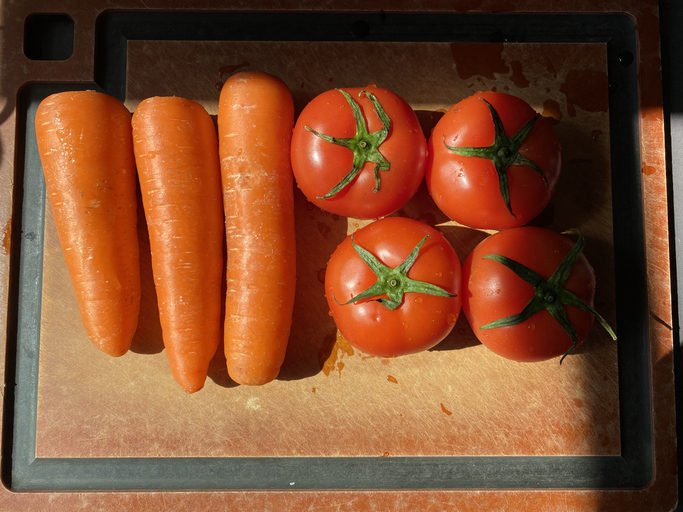
Older adults in their 60s and 70s who consistently consume foods rich in lycopene, such as tomatoes and carrots, may have a significantly lower risk of developing gum disease (periodontitis), according to a new study. An international research team, including scientists from the University of Connecticut, analyzed data from 1,227 adults aged 65 to 79 who participated in the National Health and Nutrition Examination Survey (NHANES) between 2009 and 2014.
The study, published in The Journal of nutrition, health and aging, found that approximately 49% of participants had gum disease, and about 78% of those with the condition had insufficient levels of lycopene. Researchers determined that older adults with adequate lycopene intake were roughly one-third less likely to develop periodontitis compared to those with lower levels.
Lycopene is abundant in red fruits and vegetables, including tomatoes, carrots, watermelon, grapefruit, papaya, and red bell peppers. This finding highlights the importance of diet in maintaining oral health as we age. The research team noted that further investigation is needed to fully understand the relationship between lycopene and gum health.
The research involved collaboration between institutions including Tulane University, the University of California, Southern Illinois University, Louisiana State University, and Yunnan University in China.
Beyond gum health, lycopene offers a range of potential health benefits due to its antioxidant properties. Research and clinical trials suggest it may play a role in preventing various diseases. Because lycopene is a fat-soluble nutrient, consuming it with healthy fats, such as olive oil, can significantly increase its absorption by the body.
Lycopene is known to protect against cellular damage and reduce inflammation. This makes it potentially beneficial not only for chronic inflammatory conditions like gum disease, but also for cardiovascular health. Studies suggest lycopene can help lower blood pressure, inhibit the progression of atherosclerosis, and prevent the oxidation of LDL (“bad”) cholesterol, potentially reducing the risk of heart attack and stroke.
Furthermore, lycopene has been linked to a reduced risk of prostate, stomach, and lung cancers. Notably, research indicates that consistent consumption of tomato products is associated with a significantly lower incidence of prostate cancer.
Lycopene also appears to have positive effects on brain health and cognitive function. Its antioxidant action may help reduce damage to nerve cells and slow the progression of neurodegenerative diseases like Alzheimer’s. Some studies suggest lycopene may even help alleviate symptoms of depression by reducing inflammation in the brain and improving neurotransmitter balance.
The benefits of lycopene extend to skin health as well. It can help protect against sun-induced skin damage and slow the aging process, while also promoting skin elasticity and hydration. Individuals with higher lycopene intake have been shown to experience less skin damage from sun exposure.
For individuals in their 60s and 70s, lycopene offers the potential to prevent periodontitis and support heart and brain health. Experts suggest that improving dietary habits to ensure adequate lycopene intake could contribute to a longer, healthier life.
[Frequently Asked Questions]
Q1. What foods contain the most lycopene?
A1. Tomatoes are the primary source, and processed forms like tomato sauce, paste, and juice have higher absorption rates. Other rich sources include watermelon, guava, pink grapefruit, papaya, and red bell peppers.
Q2. How should lycopene be consumed for optimal effectiveness?
A2. Since lycopene is fat-soluble, consuming it with healthy fats like olive oil significantly enhances absorption. Cooked tomatoes and processed tomato products are more readily utilized by the body than raw tomatoes.
Q3. Are lycopene supplements as effective as food sources?
A3. Supplements can be helpful, but obtaining lycopene through natural food sources is generally recommended. Whole foods contain lycopene along with other antioxidants, vitamins, and minerals that work synergistically to promote health.
