
Plant-Based Mineral Optimization: Sesame Seeds Outperform Dairy for Cyclists’ Bone Health
For athletes engaged in low-impact sports, maintaining skeletal integrity is a persistent challenge. Even as cycling is highly regarded for its cardiovascular benefits and minimal joint strain, this lack of physical impact means the activity does little to increase bone density. Cyclists face a higher vulnerability to fractures—such as broken collarbones—during falls.
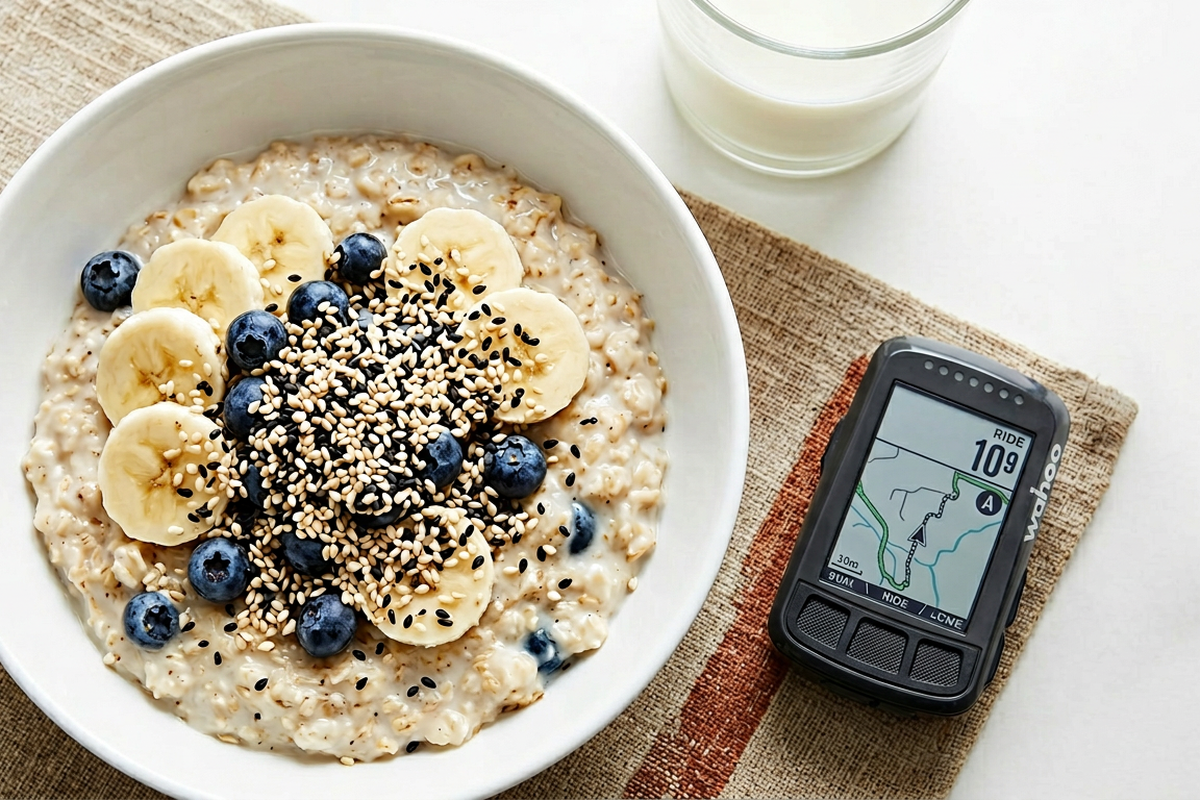
To mitigate these risks, nutritional focus is shifting toward high-density plant-based minerals. Data indicates that unhulled sesame seeds are a powerhouse for bone health, containing up to seven times more calcium than milk. Specifically, 100 grams of unhulled sesame seeds provide nearly 1,000 milligrams of calcium, whereas a standard 200ml glass of milk contains approximately 240 milligrams.
This shift toward targeted nutritional optimization highlights a growing trend in using bio-available plant sources to enhance athletic resilience.
The Synergy of Bone-Strengthening Minerals
The benefits of sesame seeds extend beyond calcium alone. The seeds contain a critical combination of magnesium and phosphorus, both of which are essential minerals for the maintenance of bone mineral density. In a biological sense, while calcium provides the primary foundation, magnesium and phosphorus act as the stabilizing agents that reinforce and secure the bone structure.
sesame seeds provide zinc, a mineral that supports the production of collagen and the overall health of cartilage. This combination not only strengthens the bones but as well improves the general structural integrity of the joints.
By integrating these nutrient-dense seeds into their diets, athletes can leverage a potent, plant-based alternative to traditional dairy to support their skeletal system against the unique demands of low-impact endurance sports.
