
In the 1980s, a child’s status at school wasn’t defined by their clothes or wealth, but by a handful of coveted possessions. These items were talked about, traded, and admired—their exclusivity being the source of their appeal.
Donald Gum
Donald Gum was one of the most popular chewing gums of the 1980s and 1990s. The large, white, flat gum was often given as a reward during family shopping trips. But its real appeal wasn’t the gum itself, but the miniature comic strip hidden inside the wrapper.
Originally developed by a Canadian food company, production and distribution quickly shifted to European hands. This allowed the gum to become surprisingly accessible throughout Eastern Bloc countries—including Hungary. It didn’t require “localization” or sense like a suspicious Western luxury; it was simply available in stores. Schoolchildren collected it primarily for the comic strips, trading and collecting them, often long after the gum itself was gone. The brand disappeared after a factory fire in 2001, and despite talks of a relaunch, it never returned. The nostalgic appeal of these childhood treats continues to resonate with those who remember them.
The Unforgettable “Stripping” Pen
“Stripping” pens, manufactured in Hungary, were never officially marketed for their novelty function. Initially designed for practical purposes—featuring city names, fairytale characters, or floating elements—a more playful version gradually emerged.
These were initially aimed at export, particularly to Arab countries, making them an international sensation. They eventually gained popularity in the Hungarian market, becoming a coveted—and forbidden—item among students. The pens weren’t valued for their writing ability, but for the figure inside that “undressed” when turned upside down.
Often brought and traded by tourists and soldiers, these pens functioned as both gifts and bartering items. Despite frequent confiscations at school, they continued to reappear. They are still available for purchase today through PAX, for example here.
The Iconic Card Calendar
Card calendars existed long before, but they became a widespread phenomenon in the 1970s and 80s. These small, cardboard calendars were distributed by companies, stores, and service providers as advertising.
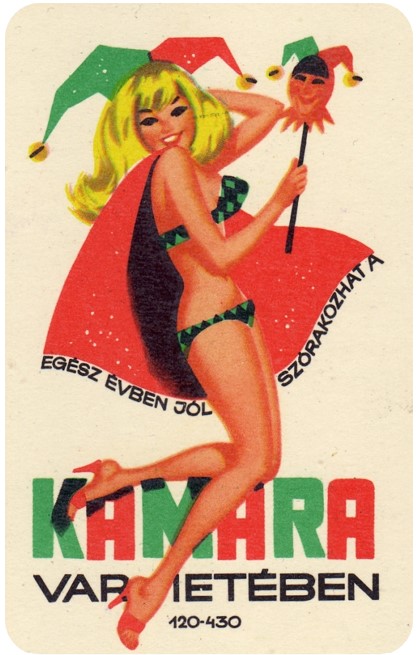
Initially featuring innocent graphics and cartoons, they soon began to include scantily clad models, and eventually, more explicit imagery. These versions became particularly popular among teenage boys. Students traded, showed off, and ranked them. Production reached tens of millions of units in some years. After the change of regime and the emergence of new types of magazines, they gradually disappeared from everyday life, though they experienced a slight revival in the 2000s.
Moncsicsi
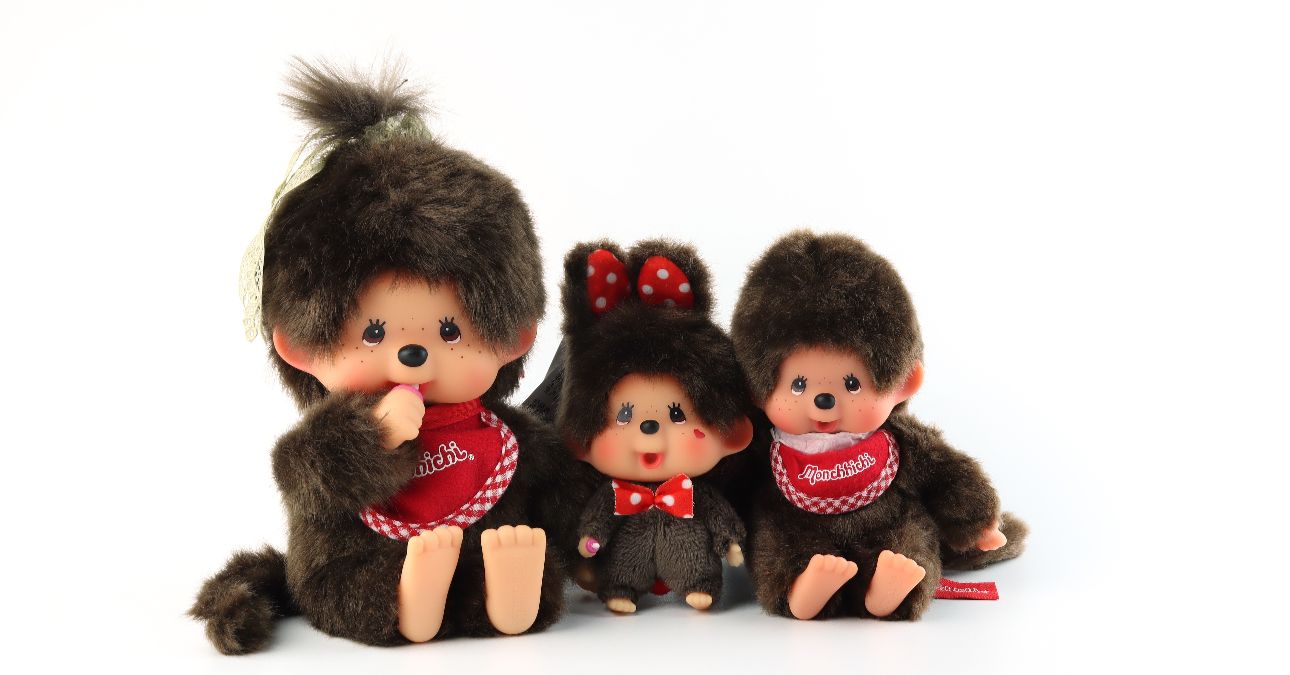
Originally a Japanese toy figure, Moncsicsi became incredibly popular in Hungary during the 1980s. Despite its unusual appearance—a human-like face with freckles and a monkey-like body—many children received one as a gift.
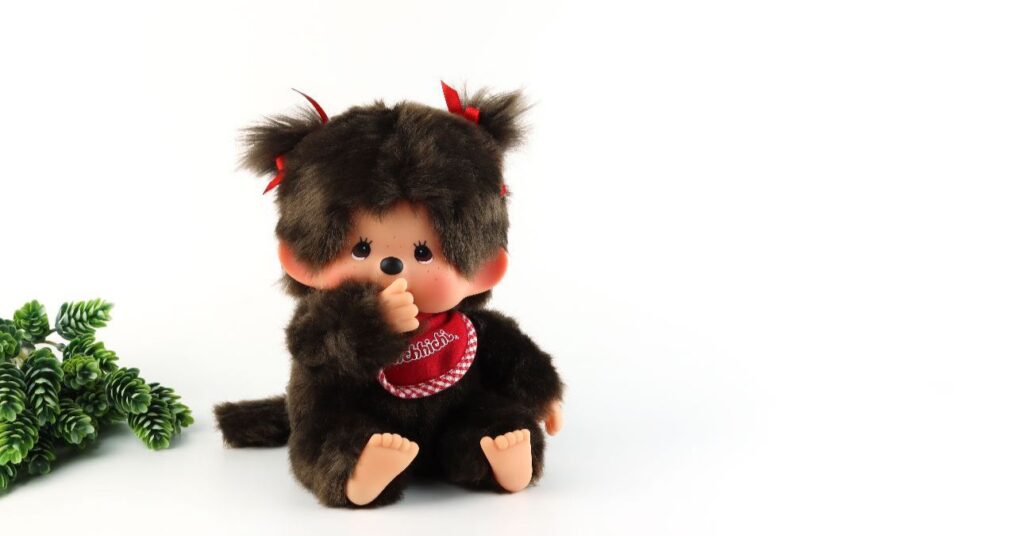
It wasn’t just available as a doll, but also appeared on various accessories: wallets, keychains, and t-shirts. The boy version was nude, while the girl wore a bow and long eyelashes. The figure became so integrated into children’s culture that a song was even written about it. Moncsicsi was special because it wasn’t an everyday toy, and anyone who received one was considered “cool” among their peers.
If you’re struggling to remember the name of a nostalgic item but want to revisit the past, feel free to contact our Customer Service for assistance!
rOtring Tikky
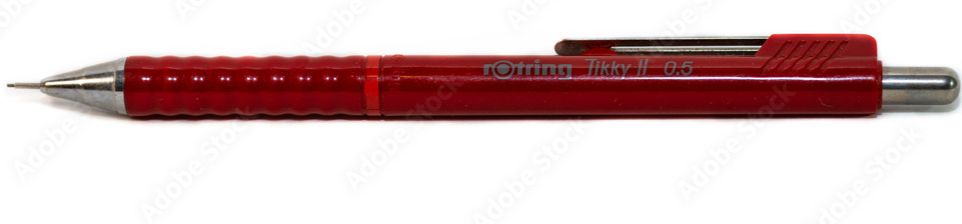
Production of the rOtring Tikky mechanical pencils began in 1979. Originally developed for technical drawing, they evolved into high-quality writing instruments for school use. The Tikky was lightweight yet sturdy, with a corrugated grip and a distinctive design. For many students, it represented their first “grown-up” and sophisticated writing tool. It wasn’t colorful or playful, but it was durable and precise. Its popularity endured for years and has seen several revivals.
