
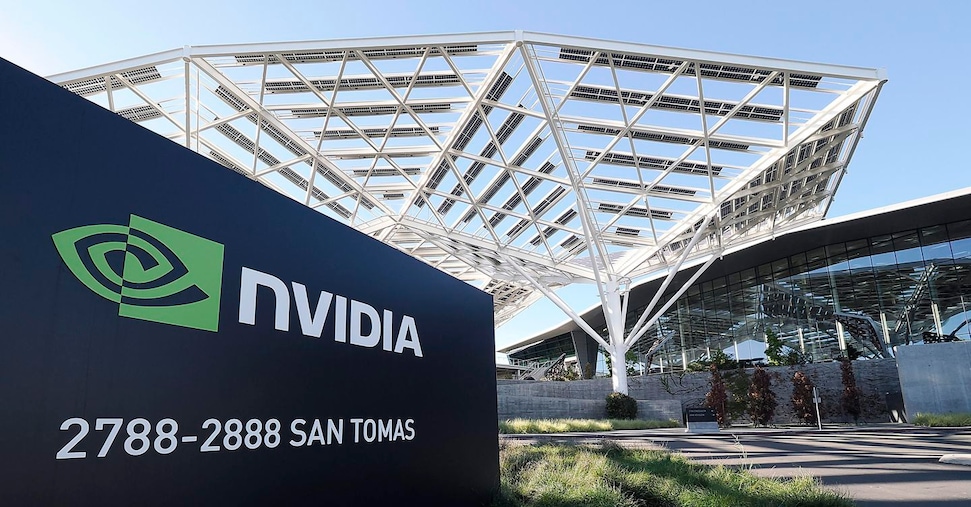
Nvidia reported strong third-quarter earnings this week, boosted by continued demand in it’s gaming and professional visualization divisions [[2]]. The results come amid growing investor scrutiny regarding the sustainability of the current AI boom and the significant investments required to support it. While the company’s gaming segment saw a year-over-year increase, analysts are closely watching capital expenditures by major tech companies – known as hyperscalers – and their impact on future growth [[1]].
Nvidia Sees Strong Demand in Gaming and Professional Visualization Segments
Nvidia’s gaming division reported a 30% year-over-year revenue increase, fueled by continued demand for Blackwell products. While sales within the gaming sector dipped 1% sequentially, the company attributes this to channel inventories normalizing ahead of the holiday season. The strong performance underscores Nvidia’s continued dominance in the gaming market, a key driver of its overall growth.
Revenue from the Professional Visualization segment jumped 56% annually and 26% sequentially in the third quarter, driven by the launch of the DGX Spark™ and increased sales related to the Blackwell line. This growth reflects the increasing demand for high-performance computing solutions in professional applications.
Investor Focus Shifts to Sustainability of AI Demand
Despite the positive results, investors are increasingly scrutinizing the long-term sustainability of demand, particularly within the artificial intelligence space. A key area of focus is Nvidia’s partnerships with major industry players. In September, Nvidia and OpenAI signed a letter of intent outlining a potential collaboration involving up to $100 billion in investments aimed at expanding data center capacity for AI. This partnership has drawn scrutiny from industry observers.
Some experts have pointed to what they describe as a circular investment dynamic, where companies like Oracle are both funding OpenAI and providing the hardware necessary to run its AI models, potentially creating self-induced demand. UBS, in a recent analysis, noted that the success of these investments hinges on actual enterprise adoption of AI. “If companies begin to ‘want’ AI in the right quantities – and, crucially, on the right timeline (2026-2027) – then everything will be ‘ok’,” the firm stated. “Otherwise, there could be problems,” particularly concerning the substantial capital expenditures planned by hyperscalers.
Hyperscaler Capex Raises Concerns
The massive capital expenditures (Capex) by major technology companies are coming under increased observation. Historically, these large platforms have funded their capital spending through robust cash flow from operations. However, the scale of investment required to support the expansion of artificial intelligence is rapidly eroding that capacity. According to a recent Bank of America analysis, hyperscalers have been using, on average, 72% of their operating cash flow to finance these outlays, and that percentage is expected to rise.
Projections for 2026 estimate over $500 billion in spending on digital infrastructure, with market consensus suggesting that cash flow absorption could exceed 90% in the coming years. This trend is fueling investor caution. The increasing financial strain on hyperscalers highlights the capital-intensive nature of the current AI boom and raises questions about the pace of future growth.
