
As cases of mosquito-borne illnesses rise across the Caribbean and Latin America, Cuban officials are bolstering public health measures to protect both residents and the country’s vital tourism industry. the proactive steps, which include increased fumigation and sanitation efforts, come as the Pan American Health Organization reports a important uptick in dengue, chikungunya, and Zika cases throughout the region. Cuba, known for its robust healthcare system and experience managing epidemics-including a domestically produced COVID-19 vaccine-is aiming to maintain its reputation as a safe travel destination despite the broader public health concerns.

Cuba is strengthening public health protocols in response to a rise in diseases transmitted by Aedes aegypti mosquitoes across the Americas and the Caribbean. This move comes as health officials worldwide monitor increasing cases of mosquito-borne illnesses, highlighting the importance of preventative measures.
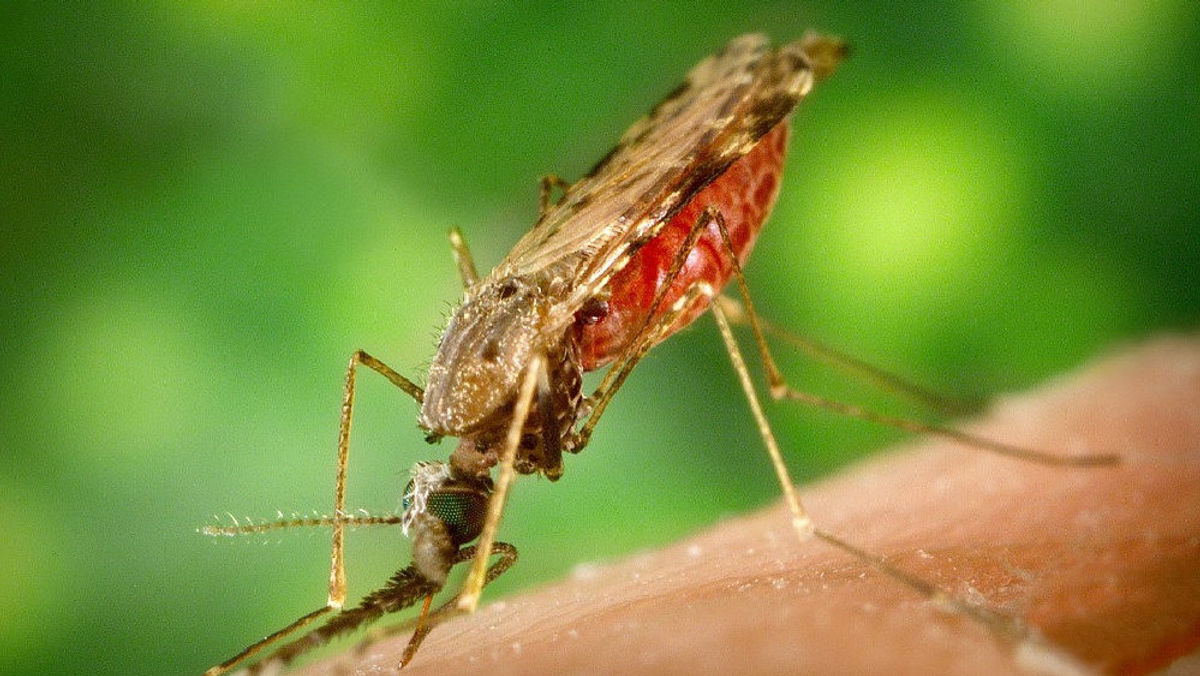
The Aedes aegypti mosquito, also known as the yellow fever mosquito, is a known vector for several viruses, including yellow fever, dengue, chikungunya, and Zika, according to the European Centre for Disease Prevention and Control.
Cuban health authorities are collaborating with the tourism sector to ensure the safety of visitors, according to a recent statement. These efforts include both ground and aerial fumigation in tourist areas to control mosquito populations, alongside regular larviciding treatments.
Enhanced sanitation efforts are also underway in outdoor spaces to eliminate potential breeding grounds, and proper waste collection and storage are being closely monitored to prevent new outbreaks.
Hotel complexes have increased their cleaning and disinfection procedures. A guaranteed supply of insecticides is available for vector control, officials say.
On-site medical services are maintained at hotels through doctor’s offices, and international clinics remain accessible for additional support. “Cuba remains a safe destination, committed to the health of its visitors,” the statement reads.
Notably, the statement confirms that no cases of vector-borne diseases have been reported among Canadian travelers to the country. This reassurance is important for those planning travel to the region.
Travelers are advised to take standard precautions for tropical destinations, including bringing mosquito repellent “to reduce the risk of bites.”
The statement also highlights Cuba’s experience in managing epidemics, noting that its health system is internationally recognized for its expertise in controlling outbreaks and pandemics, including COVID-19. During the pandemic, the country developed its own vaccine candidates and achieved high immunization rates within its population.
