
Volkswagen is shuttering its Dresden plant, marking a historic first for the automaker in its 88-year history [[1]]. the move, tied to broader restructuring efforts and economic headwinds, will see the “Glass Manufactory” repurposed as an innovation hub for artificial intelligence and robotics. The closure is part of a plan to reduce VolkswagenS German workforce by 35,000 positions, as the company navigates shifting market conditions and a reduced five-year budget [[2]].
Volkswagen is repurposing its Dresden factory into an innovation hub focused on artificial intelligence and robotics development, according to the Financial Times.
The move comes as Volkswagen navigates a period of significant restructuring amid challenges in key global markets. Volkswagen CEO Thomas Schäfer acknowledged that the decision to halt production in Dresden was difficult but economically necessary.
The closure of the historic automotive plant is part of an agreement with labor unions that also includes plans to reduce the company’s workforce in Germany by 35,000 positions.
Volkswagen has faced several headwinds in recent years, prompting the automaker to streamline costs. The company’s sales in China, a crucial market, have declined, while U.S. operations have been impacted by tariffs imposed during the Trump administration.
Despite these challenges, analysts currently project a modest profit for Volkswagen in 2025, revising earlier forecasts that anticipated the company reaching a break-even point.
The shifting landscape is forcing Volkswagen to reassess its financial planning. The company’s budget for the next five years is set at €160 billion, a reduction from the previously allocated €180 billion for the 2023-2027 period.
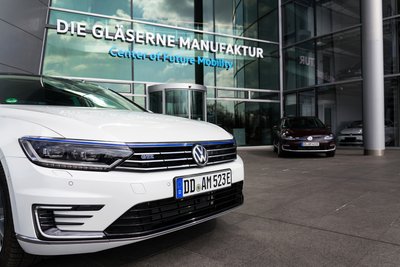
Volkswagen’s Dresden plant, known as the “Glass Manufactory,” has a unique history within the Volkswagen Group.
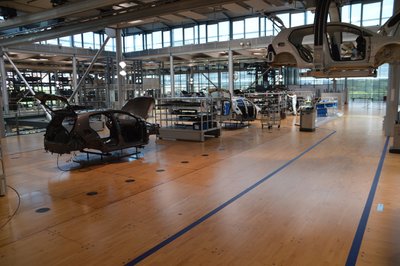
Opened in 2002, the facility served as a technological showcase for the Volkswagen Group, offering a transparent view of the automobile manufacturing process through its glass walls. The plant regularly hosted tours, accommodating up to 250 visitors daily.
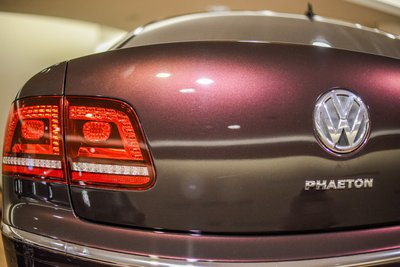
The Volkswagen Phaeton was initially produced at the “Glass Manufactory.” Later, the facility assembled Bentley Flying Spurs, and most recently, Volkswagen ID.3 electric vehicles.
The closure of the Dresden plant is not expected to significantly impact the German automotive industry, as production volumes at the facility were relatively low. Approximately 200,000 vehicles were assembled there since 2002, compared to Volkswagen’s main plant in Wolfsburg, which produces double that number annually.
The restructuring reflects a broader trend among automakers to adapt to evolving market conditions and invest in future technologies.
