
Are you prepared for the future of international trade and its impact on your import costs? A recent ruling on customs values for used electronics signals notable shifts in global commerce, making it crucial for businesses to understand the evolving trends in customs valuation.this article delves into these changes, revealing how dynamic, data-driven decisions are reshaping customs processes and what you can expect in the years ahead.
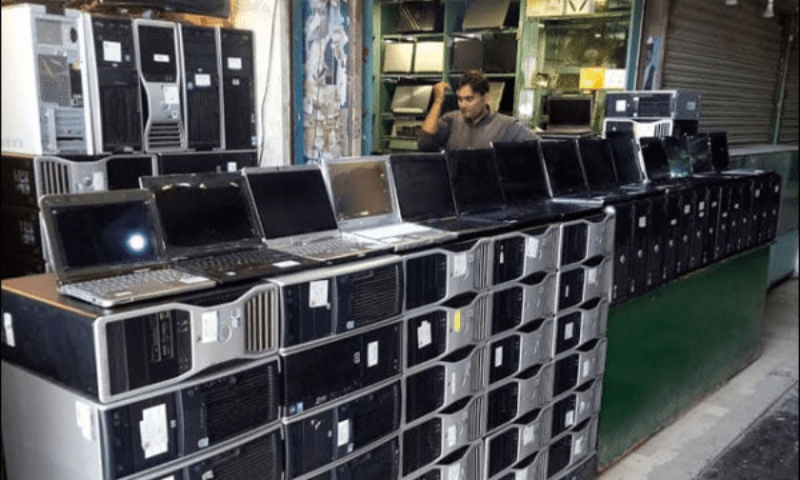
The recent announcement by the Directorate General of Customs Valuation in Karachi, regarding reduced customs values for used electronics, offers a interesting glimpse into the evolving landscape of international trade and valuation. This decision, encapsulated in valuation Ruling 2000 of 2025, isn’t just about cheaper laptops; it’s a reflection of broader trends impacting global commerce. Let’s delve into the potential future trends related to this theme.
the Rise of Dynamic Valuation: Adapting to Market Realities
The core of the karachi ruling lies in its responsiveness to market dynamics.The decision to adjust customs values based on current market trends and depreciation of older models highlights a crucial shift: the move towards dynamic valuation. Conventional methods often struggle to keep pace with the rapid obsolescence of technology. This ruling, however, acknowledges the need for agility.
Pro Tip: Businesses involved in importing goods, especially those with a short lifecycle like electronics, should proactively monitor valuation rulings and engage with customs authorities to ensure accurate and up-to-date assessments.
Data-Driven Decisions: The Power of Analytics
The ruling’s foundation in data analysis is another key trend. By examining imported data and market trends, customs authorities can make informed decisions. This data-driven approach is becoming increasingly prevalent in customs valuation globally. It allows for more accurate assessments and helps prevent undervaluation or overvaluation, which can lead to trade disputes.
Did you know? The World Trade Association (WTO) provides guidelines for customs valuation, emphasizing the importance of fair and transparent practices [[2]].
Stakeholder collaboration: A Collaborative Approach
The involvement of stakeholders in the decision-making process is a positive sign. Engaging importers, industry experts, and other relevant parties ensures that valuation practices are practical and reflect real-world conditions. This collaborative approach fosters trust and clarity, which are essential for smooth trade operations.
the Impact of Depreciation: Recognizing the value of Used Goods
The ruling specifically addresses the depreciation in value of older technology. This is a critical consideration, as the value of electronics declines rapidly. By acknowledging this depreciation, customs authorities can ensure that duties and taxes are assessed fairly, promoting the import of used goods and supporting the circular economy.
Future Trends: What to Expect
Looking ahead, we can anticipate several trends in customs valuation:
- Increased Automation: Expect greater use of technology, including AI and machine learning, to automate valuation processes and improve efficiency.
- harmonization: Efforts to harmonize valuation practices across different countries will likely continue,simplifying international trade.
- Focus on Sustainability: Customs authorities may increasingly consider the environmental impact of imported goods, influencing valuation decisions.
- Greater Transparency: Expect more open communication and data sharing between customs authorities and businesses.
Frequently Asked questions (FAQ)
What is customs valuation? It’s the process of determining the value of imported goods to assessing duties and taxes [[2]].
Why is it significant? Accurate customs valuation ensures fair trade practices and prevents revenue loss.
How are customs values determined? They are frequently enough based on the transaction value, but other methods might potentially be used [[1]].
What is the role of stakeholders? Stakeholders provide valuable input and ensure that valuation practices are practical and reflect market realities.
Reader Question: how can businesses stay informed about changes in customs valuation regulations?
Stay ahead of the curve by subscribing to industry newsletters, following customs authority announcements, and engaging with trade associations. Share yoru thoughts and experiences in the comments below!
