
صدر الصورة، EPA/Shutterstock
أصدر الرئيس الإيراني مسعود بزشكيان توجيهاً بتشكيل هيئة خاصة للتحقيق في أحداث شهر يناير/كانون الثاني، التي شهدت احتجاجات واسعة وأعمال عنف أسفرت عن سقوط أعداد كبيرة من الضحايا.
وبحسب وسائل إعلام إيرانية، ستُشكَّل الهيئة برئاسة محمد رضا عارف، النائب الأول لرئيس الجمهورية، وتضم عدداً من أعضاء الحكومة إلى جانب مسؤولين من خارج الجهاز التنفيذي.
وأوضحت التقارير أن “محور اجتماعات الهيئة سيركّز على البحث الدقيق في جذور الأحداث، ومعالجة الانقسامات، والعمل على منع تكرار مثل هذه الوقائع”.
وشهدت احتجاجات شهر يناير/كانون الثاني هذا العام سقوط عدد كبير من القتلى. ووفقاً للإحصاءات الرسمية، تجاوز عدد القتلى ثلاثة آلاف شخص، في حين تقول منظمات حقوقية، من بينها وكالة أنباء نشطاء حقوق الإنسان في إيران (هرانا)، إنها وثّقت مقتل ما لا يقل عن 6,961 شخصاً حتى الآن، مع استمرار التحقيق في 11,730 حالة وفاة أخرى.
كما أفادت (هرانا) بأن عدد المصابين من المدنيين خلال الفترة نفسها بلغ 11,022 شخصاً، فيما وصل عدد المعتقلين إلى نحو 51,591 شخصاً.
غياب لافت
صدر الصورة، Reuters
Iran’s President Masoud Bزشکیان has ordered an investigation into the events of January, a period marked by widespread protests and violence that resulted in a significant number of casualties. The move comes as the country grapples with ongoing political and social unrest.
According to Iranian state media, the commission will be headed by First Vice President Mohammad Reza Arif and will include members of the government alongside officials from outside the executive branch.
Reports indicate that the commission’s meetings will focus on thoroughly examining the root causes of the events, addressing divisions, and working to prevent similar occurrences in the future.
The January protests saw a substantial loss of life. Official figures put the death toll at over 3,000, while human rights organizations, including the Human Rights Activists News Agency (HRANA), have documented at least 6,961 deaths to date, with investigations continuing into 11,730 additional fatalities.
HRANA also reported that 11,022 civilians were injured during the same period, and approximately 51,591 people were arrested.
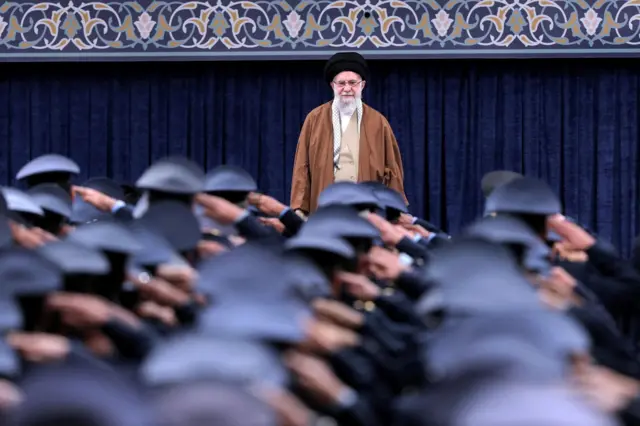
In a separate development, the commander of Iran’s armed forces, General Abdolrahim Mousavi, delivered the main address at a ceremony traditionally presided over by Supreme Leader Ayatollah Ali Khamenei – a departure from the usual pattern of annual celebrations commemorating the 1979 revolution.
صدر الصورة، Reuters
Mousavi spoke of the possibility of confrontation with the United States, stating that Iran “does not seek to ignite a regional war,” while warning that such a conflict “would delay regional progress and development for many years.” He added, yet, that Iran would respond forcefully to any “aggressor” should hostilities break out.
The remarks come amid heightened tensions between Iran and the United States, with Washington deploying additional naval and military forces to the region in recent weeks. The absence of Supreme Leader Khamenei from the event, without explanation from Iranian media, has also drawn attention.
Meanwhile, authorities have continued a crackdown on prominent reformist figures. On Sunday, February 8th, Javad Emam, a spokesperson for the Reform Front, was arrested by Revolutionary Guard forces.
The arrests follow the detention on Saturday of Azar Mansouri, head of the Reform Front, alongside Ibrahim Asgharzadeh, the Front’s political committee chairman, and Mohsen Aminzadeh, a former deputy foreign minister under ex-President Mohammad Khatami. Reports indicate several other members of the Front have been summoned for questioning.
Security officials have accused them of “targeting national unity, taking positions against the constitution, coordinating with the enemy’s propaganda, promoting a policy of appeasement, dispersing political groups, and creating secret mechanisms to overthrow the system.”
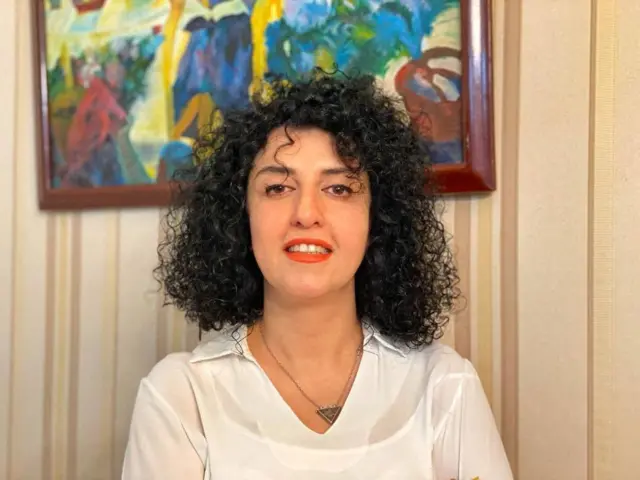
In a separate ruling, human rights activist Narges Mohammadi, who was awarded the 2023 Nobel Peace Prize, has been sentenced to an additional seven and a half years in prison, according to her lawyer, Mostafa Nili. The sentence comprises six years for “gathering and collusion” and one and a half years for “propaganda activities.” This development underscores the ongoing suppression of dissent within Iran.
