
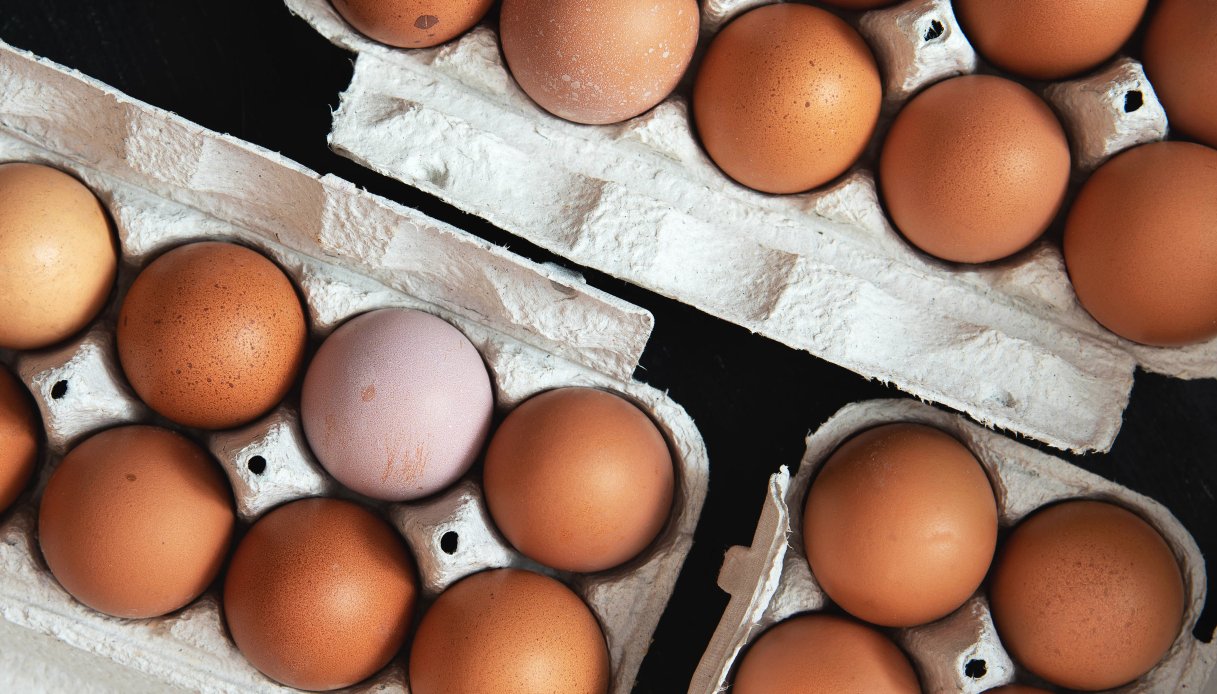
Health officials in Italy have issued a precautionary recall for specific lots of fresh eggs from Avicola Serroni due to a potential risk of Salmonella enteritidis contamination. The alert, published on the Ministry of Health’s website, advises consumers to check their egg cartons immediately. This recall highlights the importance of food safety measures and vigilance in preventing foodborne illnesses.
Affected Lots
The recall, issued on February 6, 2026, is a preventative measure affecting all lots with expiration dates between February 18, 2026, and February 25, 2026. The affected eggs are category A, and include weight classes M, L, and XL. Products are packaged in six-egg plastic cartons and larger 180-egg cartons, all bearing the “Uova fresche dell’Avicola Serroni” brand.
The producing company is Azienda agricola e avicola “Serroni” di Cavallaro Angelo & C. S.n.c., located in Serroni Alto, Montecorvino Rovella (Salerno), and identified by the EU code IT K1557.
What Consumers Should Do
The Ministry of Health has provided clear instructions for consumers:
- Do not consume products from the affected lots with the specified expiration dates.
- Return the cartons to the point of purchase.
Consumers can expect a refund or replacement at the store where the eggs were purchased, according to the store’s policies. Bringing the purchase receipt may support expedite the process, although it is not always required.
What is Salmonella enteritidis?
The potential contamination involves specifically Salmonella enterica subsp. enteritidis, a common strain responsible for foodborne illnesses. According to the Istituto Superiore di Sanità, this is considered a “minor” salmonella, though its potential to cause illness remains significant.
Symptoms of infection typically include fever, abdominal pain, nausea, vomiting, and diarrhea. These symptoms usually appear 6 to 72 hours after consuming contaminated food (most commonly within 12-36 hours) and last an average of 4-7 days.
While infection usually resolves without hospitalization, complications can occur in vulnerable populations, including young children, the elderly, pregnant women, and individuals with compromised immune systems.
Several foods are frequently linked to Salmonella outbreaks, including:
- Raw or unpasteurized milk and dairy products;
- Undercooked meat and poultry;
- Complex food preparations like homemade mayonnaise, zabaglione, or tiramisu;
- Fruits and vegetables contaminated during handling.
Preventing Salmonella infection requires strict hygiene practices in the kitchen: washing hands and surfaces, separating raw and cooked foods, and thoroughly cooking foods at risk. Eggs, in particular, should be cooked until both the white and yolk are solid and stored in the refrigerator. More information about the recall can be found on the Ministry of Health website, and additional details are available from Sky TG24 and Virgilio.it.
