
February 11, 2026
03:00 AM February 11, 2026
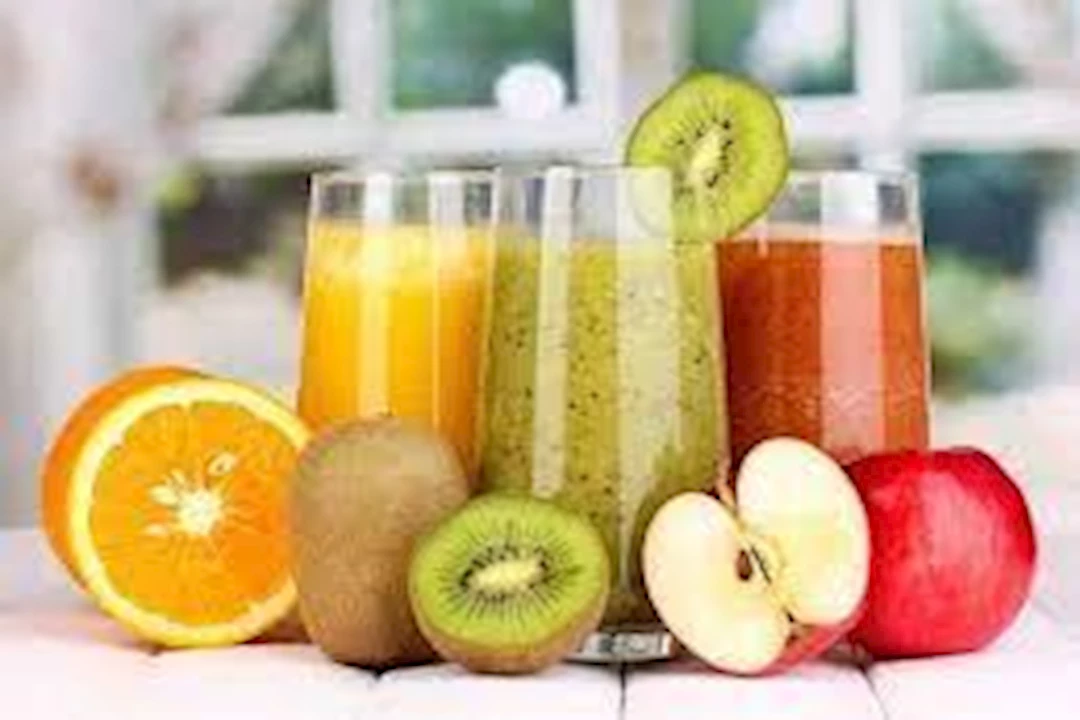
Despite being widely considered a healthy beverage, a recent study suggests a daily habit of drinking fruit juice may be linked to an increased risk of breast cancer, raising questions about the safety of this common dietary practice.
Researchers from Nanjing Medical University and the Chinese Academy of Sciences analyzed dietary data from over 86,000 women in the United Kingdom over a ten-year period. During this time, 2,644 cases of breast cancer were diagnosed.
Fruit Juice
The results showed that consuming just one cup of fruit or vegetable juice daily was associated with a 13% higher likelihood of developing the disease. This percentage is higher than that observed with sugary drinks or sodas, prompting a reevaluation of whether juice is as “safe” as commonly believed.
Researchers attribute this connection to the high levels of fructose found in juice, a type of sugar metabolized in the liver.
They explained that excessive fructose consumption can lead to fat accumulation and changes in metabolism, potentially causing hormonal shifts that create an environment conducive to breast tumor growth.
The team suggested replacing juice with low-calorie or artificially sweetened alternatives, a change linked to a 10% reduction in the risk of the disease.

Quantity and Type of Juice
The study indicated that the risk is associated with consuming 250 ml daily of fruit and vegetable juice – exceeding the recommended limit set by the UK’s National Health Service of 150 ml.
The study did not differentiate between fresh and packaged juice, suggesting that quantity is a more critical factor than type.
Researchers’ Recommendations
Researchers emphasized the importance of consuming whole fruits and vegetables instead of juice. They noted that the nutrients in whole fruits, such as vitamins and fiber, can mitigate the harmful effects of sugar and provide protective benefits.
