
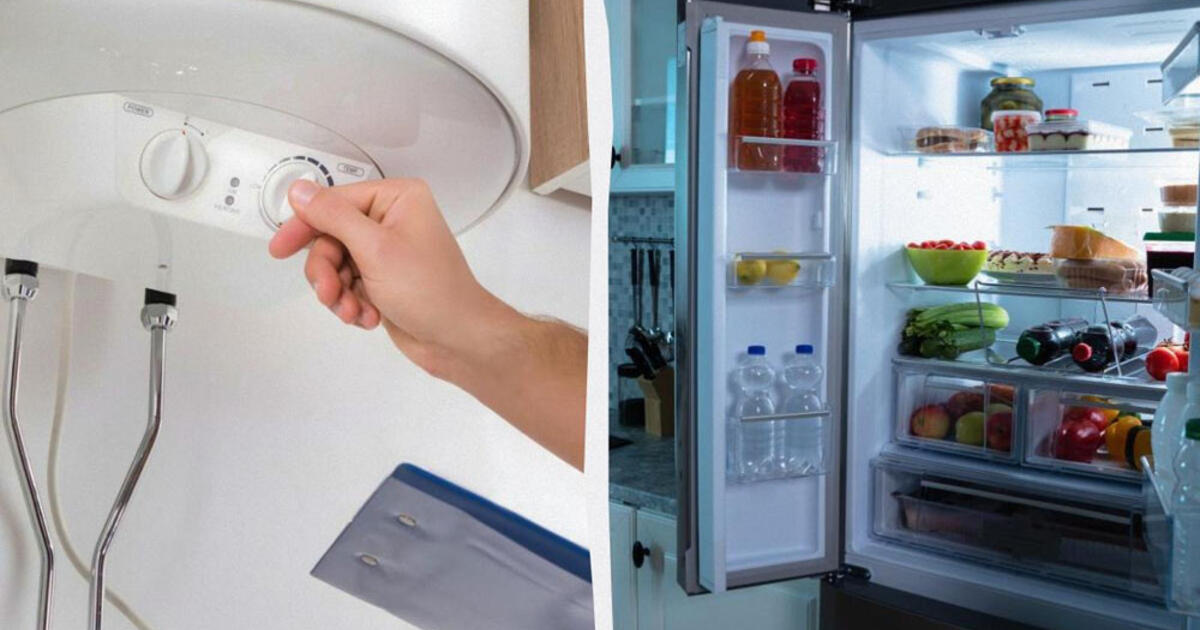
Hidden energy drains are quietly inflating household bills, and experts are offering advice on how to curb their appetite. While calculations from the original source are based on U.S. Dollars and rates, the principles apply globally as energy costs remain a key concern for consumers and investors alike.
Thermostats
Heating and cooling are undeniably major electricity consumers in any home. Still, homeowners may overlook the source of control – the thermostat itself. “When thermostats are placed in improper locations or are incorrectly configured, they can become silent culprits of overspending,” says home expert Chris Hunter.
A thermostat positioned near a heat source or in a draft can misread the temperature, forcing your HVAC (heating, ventilation, and air conditioning) system to run longer than necessary. Maintaining temperatures that are too low in the summer or too high in the winter can likewise increase costs. The solution, according to experts, is to utilize a smart, programmable thermostat that activates systems only when truly needed.
Older Refrigerators
Sticking with an older refrigerator rather than upgrading to a newer model for the sake of energy savings is a delicate financial balance. If your refrigerator is more than 15 years old, it may be time to consider replacing it, and opting for a model certified by the Energy Star standard is a smart move.
“An old refrigerator can consume up to 1000 Kw/h per year, costing around $150,” notes Nick Barberis. “it may operate inefficiently due to insulation issues and aging compressors.”
These older appliances often become “second refrigerators,” stored in garages or basements. Calculating the associated costs is crucial to determine whether it’s financially sensible to discard or replace the unit.
Always-On Devices and Chargers
Many household appliances continue to draw power even when turned off, a phenomenon known as “phantom” or “vampire” energy.
“A simple indicator that a device is consuming energy even when not in use is a remote control, LED screen, or power adapter,” explains N. Barberis. This hidden drain can cost the average family approximately $150–$200 per year.
Common culprits include televisions, gaming consoles, phone and computer chargers, and set-top boxes. Even kitchen and bathroom appliances – microwave ovens, coffee makers, hair dryers – can consume energy while idle. Utilizing smart power strips or simply unplugging devices when not in use is recommended.
Dirty Air Filters
A surprisingly significant energy drain comes from a clogged HVAC system air filter. When filters fill with dust and debris, the system has to work harder to circulate air, increasing energy consumption by 10–20%. Filters should be checked monthly and replaced every 1–3 months, depending on dust levels and pet ownership.
Water Heater
It’s also worth revisiting the temperature settings on your water heater. These appliances maintain a constant water temperature in the tank, meaning the higher the setting, the more intensely the heater works around the clock. “Lower the water heater temperature to 49°C,” advises expert Kate Kolarulli. This will help conserve energy and reduce the risk of scalding.
