
Magnesium has develop into one of the most sought-after minerals in recent years, largely due to its connection to fatigue, muscle cramps, and sleep quality. Whereas supplements are frequently discussed on social media, a recent Instagram video from a pharmacist and nutritionist, @boticariagarcia, delivers a clear message: supplements can be helpful in some cases, but should never replace a healthy diet. Before turning to capsules or pills, it’s wise to check if you’re including enough magnesium-rich foods in your daily meals, as many common products provide significant amounts without the need for supplementation. The key is to pay attention to your plate and prioritize a varied and balanced diet.
10 Foods Highest in Magnesium to Add to Your Menu
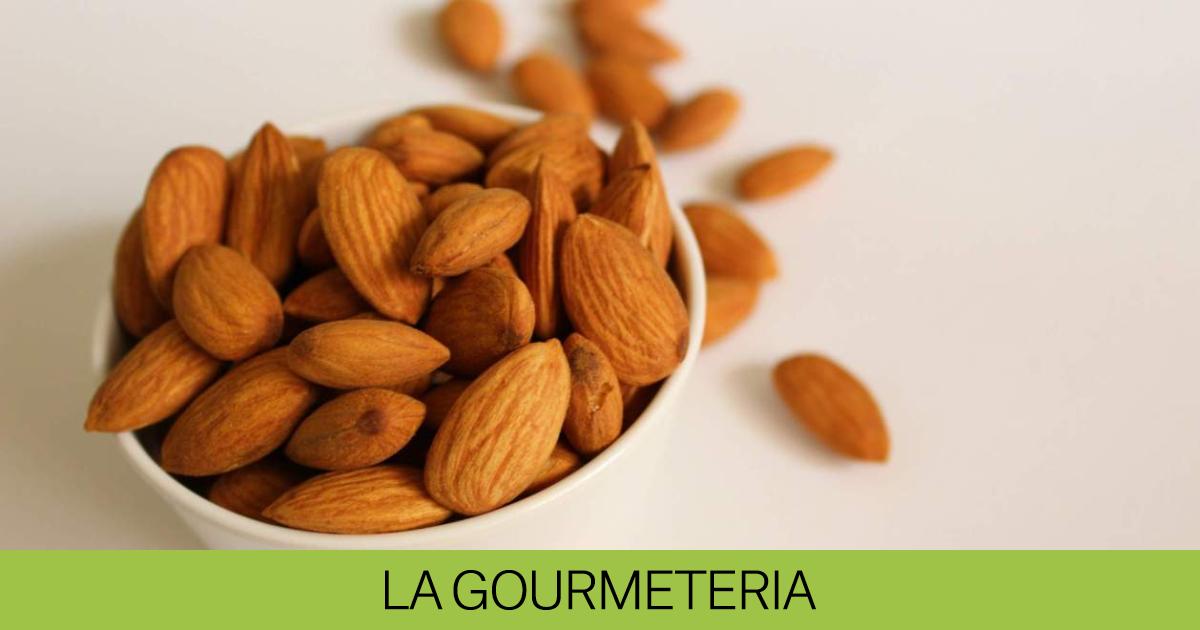
In her video, the expert proposes a practical and easy-to-implement list. The ranking begins with a handful of cashews, followed by a serving of cooked spinach and a handful of almonds – three plant-based options with a high nutritional density. She also includes three ounces of chocolate with over 85% cacao, an engaging alternative when consumed in moderation.
Among legumes, a plate of lentils stands out not only for its magnesium content, but also for its fiber and plant-based protein. This represents supplemented by four tablespoons of oatmeal and three slices of whole-wheat bread, which reinforce the role of whole grains as a key mineral source.
The list is completed with highly common foods: a natural yogurt, half an avocado, and a medium-sized banana. This selection demonstrates that you don’t need to resort to hard-to-find ingredients; many products already in your weekly grocery shopping contribute to improving your intake.
The first step isn’t a supplement, it’s your daily diet.
Magnesium participates in more than 300 enzymatic reactions in the body and contributes to muscle, nerve, and energy function, as well as helping to reduce tiredness and fatigue when there is a deficiency. It also plays a role in maintaining bones and teeth in normal condition. This wide range of functions highlights the importance of adequate magnesium intake for overall health.
While supplementation may be indicated in certain situations, such as diagnosed deficiencies or increased needs, many people can meet their recommended daily allowance simply by adjusting their diet. Regularly incorporating nuts, legumes, leafy green vegetables, and whole grains is an effective and sustainable strategy.
@boticariagarcia’s message is clear: before succumbing to the supplement trend, review what you eat. This top 10 list demonstrates that improving your magnesium intake can be as simple as reorganizing your weekly menu and choosing a varied and balanced diet that supports your health.
