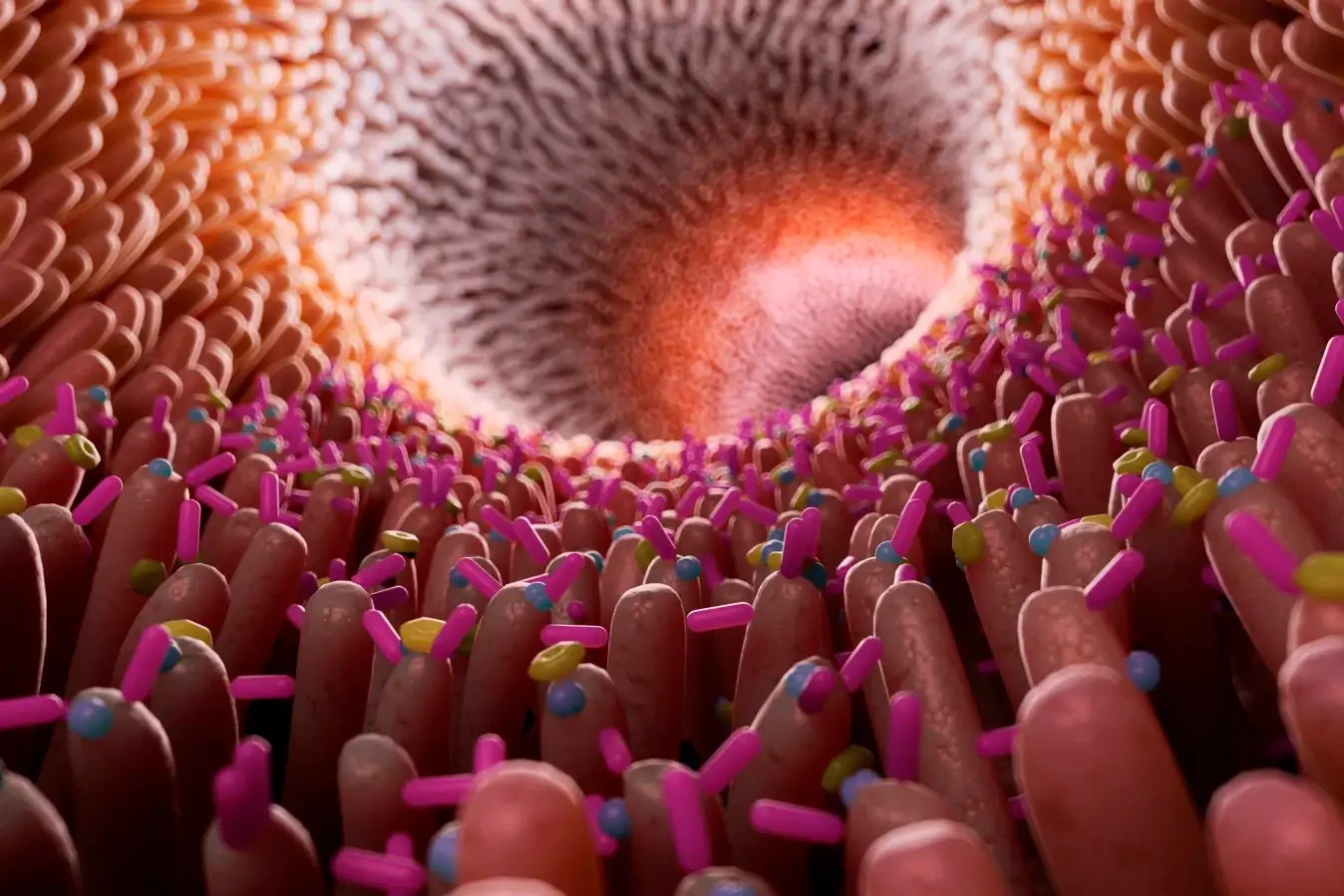
Gut Microbiome and Chronic Prostatitis

The gut microbiome is a burgeoning topic in health, but have you considered the connection between the gut and chronic non-bacterial prostatitis?
The gut microbiome, or gut microbiota, refers to the ecosystem of trillions of microorganisms residing in the human digestive tract—with over 95% located in the large intestine. These microorganisms include bacteria, archaea, fungi, and viruses. Each person’s gut microbiome has a unique composition, much like a fingerprint.
Many people are familiar with the importance of gut bacteria through probiotic advertising. But how exactly do these microbial communities influence human health?
Here’s a breakdown of the gut microbiome’s functions and importance:
-
Metabolism and Digestion: Gut bacteria aid in breaking down dietary fiber and producing vitamins such as B12, K, and folate.
-
Immune System Function: Approximately 70% of the human immune system is located in the gut, and the gut microbiome plays a crucial role in regulating immune function.
-
Gut-Brain Connection: Influences mood, behavior, and neurological health through the “gut-brain axis.”
What is the “gut-brain axis”? It’s a specialized communication pathway between the nervous system of the gut and the central nervous system of the brain. These two nervous systems communicate bidirectionally, influencing each other, which is why the gut is often referred to as the “second brain.” This complex communication occurs through multiple pathways, including nerves, the immune system, endocrine functions, and the gut microbiome.
The gut microbiome ecosystem has significant implications for human health. More to come next week.
(Chronic Prostatitis and the Gut Microbiome 1)
ADVERTISEMENT
Update / Download the AM730 Mobile APP Now to Experience Enhanced Features