
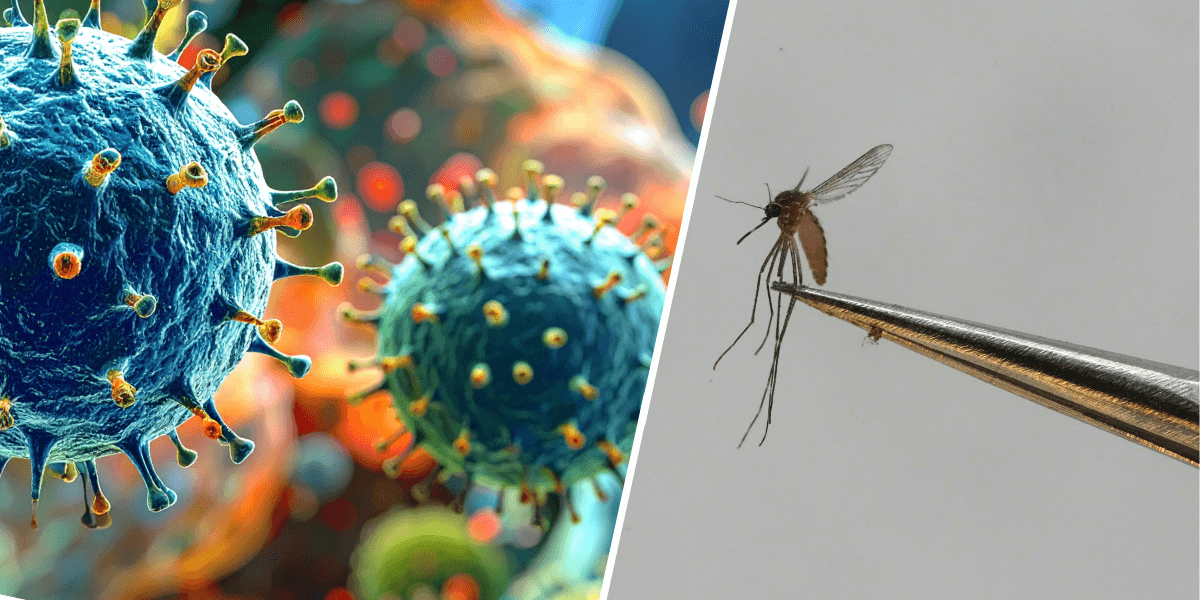
Chikungunya virus, once considered a primarily tropical disease, is now appearing in greater numbers in Europe, raising public health concerns. The shift is linked to the ability of the mosquito that carries the virus to survive in cooler climates, coupled with the effects of global warming.
In 2025, France reported over 800 cases of the virus within a single year, and Italy also experienced hundreds of infections, according to reports.
Outbreaks often begin when travelers return from tropical regions carrying the virus and are bitten by local tiger mosquitoes, which then spread the infection further.
Mosquito Adapting to Cooler Temperatures
Recent research from the UK Centre for Ecology and Hydrology (UKCEH), published in the Journal of the Royal Society Interface, indicates that the Asian tiger mosquito can transmit chikungunya at lower temperatures than previously believed. The threshold for transmission is now estimated to be around 13–14 degrees Celsius, approximately 2.5 degrees lower than earlier estimates.
This finding is significant because it expands the geographic range where the virus can establish itself. The global rise in temperatures is also extending the period when mosquitoes are active, increasing the number of weeks – and sometimes months – during which the virus can spread locally.
“For twenty years ago, everyone would have called you crazy if you had said that we would get chikungunya in Europe: it is a tropical disease. Now everything has changed,” said Steven White at UKCEH to The Guardian.
The ability of the mosquito to thrive in cooler temperatures, combined with a longer active season, suggests that chikungunya could become more prevalent in temperate regions. This underscores the importance of continued surveillance and public health preparedness to mitigate the risk of future outbreaks.
