
Concerns over a potential U.S.-Israeli operation in Iran have spurred a significant increase in oil prices. Brent crude reached $71.95 per barrel on Friday, February 20, an increase of $11 since December 31 (+18%).
Market participants are assessing the potential impact on Iranian oil production should strikes occur, as well as the broader risks of regional disruption. The price movement underscores the sensitivity of energy markets to geopolitical events.
- An average of nearly 17 million barrels of crude oil and condensate transited the Strait of Hormuz daily in 2025.
- A prolonged military campaign could render the vital shipping lane unusable for oil tankers.
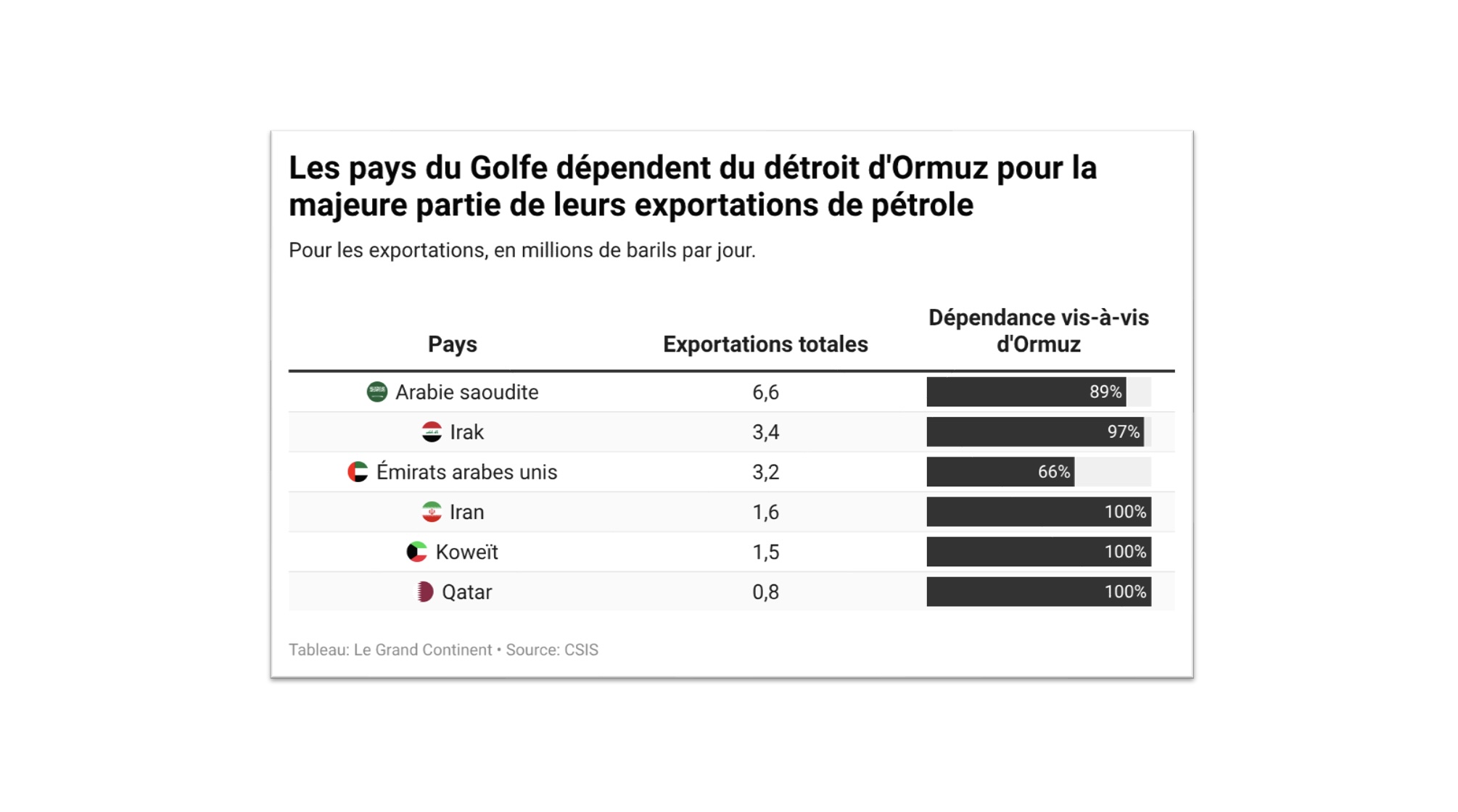
While major oil producers, such as Saudi Arabia (6.6 million barrels exported per day) and the United Arab Emirates (3.2 million), could divert some production to the Red Sea or Gulf of Oman, Iran, Kuwait, Iraq, and Qatar rely on the Strait of Hormuz for all of their exports. The 10 billion cubic meters of LNG exported daily by Qatar would also be at risk if the strait were closed.
The objectives of the United States and Israel in Iran remain unclear. On Friday, February 20, former President Trump stated he was considering a limited strike against the country in response to questions from reporters.
- Sources close to the administration indicate the Pentagon has presented several options to the U.S. President, including a scenario involving the elimination of the Supreme Leader, his son, and other clerics.
The substantial build-up of U.S. Military assets in the Middle East, ongoing for several weeks, diminishes the prospects for a diplomatic resolution.
- American consulting firm Rapidan Energy Group wrote in a note following the February 17 meeting between the Iranian Foreign Minister and Witkoff and Kushner: “The readouts from the U.S.-Iran talks in Geneva suggest that the diplomatic path is running out of road.”
- Rapidan now estimates a 30% probability that an Iranian response will lead to a significant disruption of energy flows in the Gulf – up from 20% before the latest negotiations.
U.S. Consumers may soon face higher gasoline prices. The price had fallen below the symbolic $3 per gallon mark on December 1, but has been steadily increasing since the initial threats of intervention from Trump in early January.
- The Center for Strategic and International Studies (CSIS) estimates that an Iranian response against Gulf countries could trigger a surge in oil prices, potentially exceeding $130 per barrel – translating to a $4 per gallon price at the pump.
- Such a level has not been seen since 2022, following the launch of the Russian invasion of Ukraine.
<span id="finish-content"/> </div><script async src="//platform.twitter.com/widgets.js" charset="utf-8"></script><script async defer crossorigin="anonymous" src="https://connect.facebook.net/fr_FR/sdk.js#xfbml=1&autoLogAppEvents=1&version=v6.0&appId=204320904219309"></script>