

Behind the curated filters and idyllic images of social media, a darker reality exists for online influencers. Researchers have investigated the long-term effects of this digital lifestyle, creating “Ava,” a model that illustrates the potential physical transformations influencers may experience by 2050. The results are concerning, highlighting a future marked by postural issues, premature skin aging, chronic eye strain, and weakened hair. This visual representation prompts reflection on the often-unseen consequences of a seemingly enviable profession.
The Paradox of the Influencer Lifestyle
Luxury travel, brand partnerships, abundant gifts, and millions of followers – the daily life of an influencer appears to be a constant stream of privileges. However, this activity, driven by algorithms and aesthetic demands, isn’t without its impact on health. The increasing reliance on social media for income and validation raises important questions about well-being.
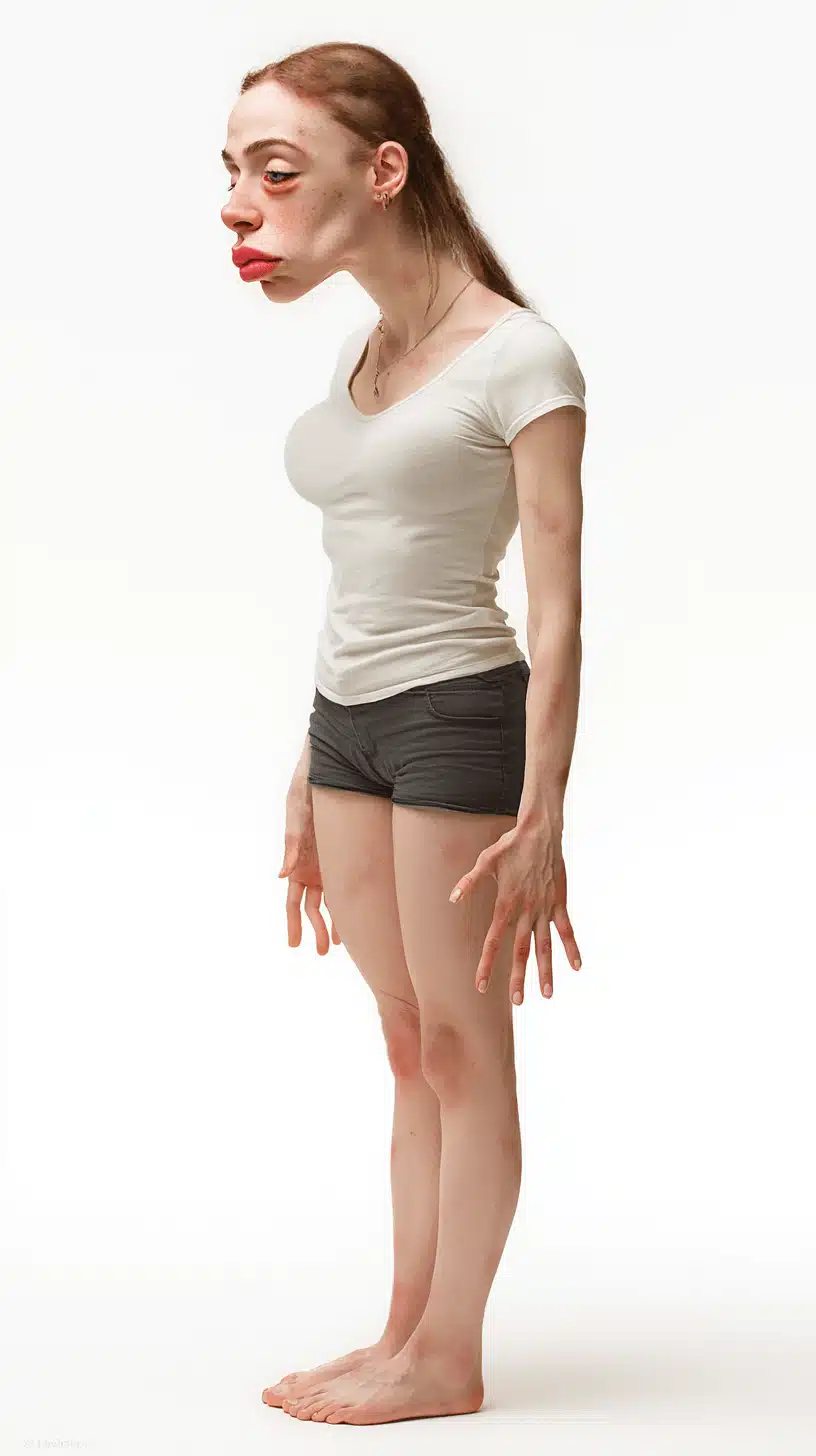
To illustrate these risks, health and digital behavior specialists developed a realistic depiction of a typical future influencer. Named “Ava,” she starkly contrasts with the polished image often presented on social networks. Through her, researchers present a clear finding: the excesses associated with this lifestyle could exit deep, visible, and irreversible marks.
Posture Shaped by Smartphone Use
One of the most striking features of Ava is her stooped posture. This phenomenon is directly linked to “text neck syndrome,” a consequence of prolonged smartphone use. According to a study published in Interdisciplinary Neurosurgery, the cervical spine is often held between 15 and 60 degrees of flexion when using a mobile phone.
Over time, this inclination puts excessive pressure on the cervical spine, leading to chronic pain, neck stiffness, and a forward-leaning posture that can become permanent. For a generation that spends hours creating and consuming content, the risk is far from theoretical.
Skin Under Pressure
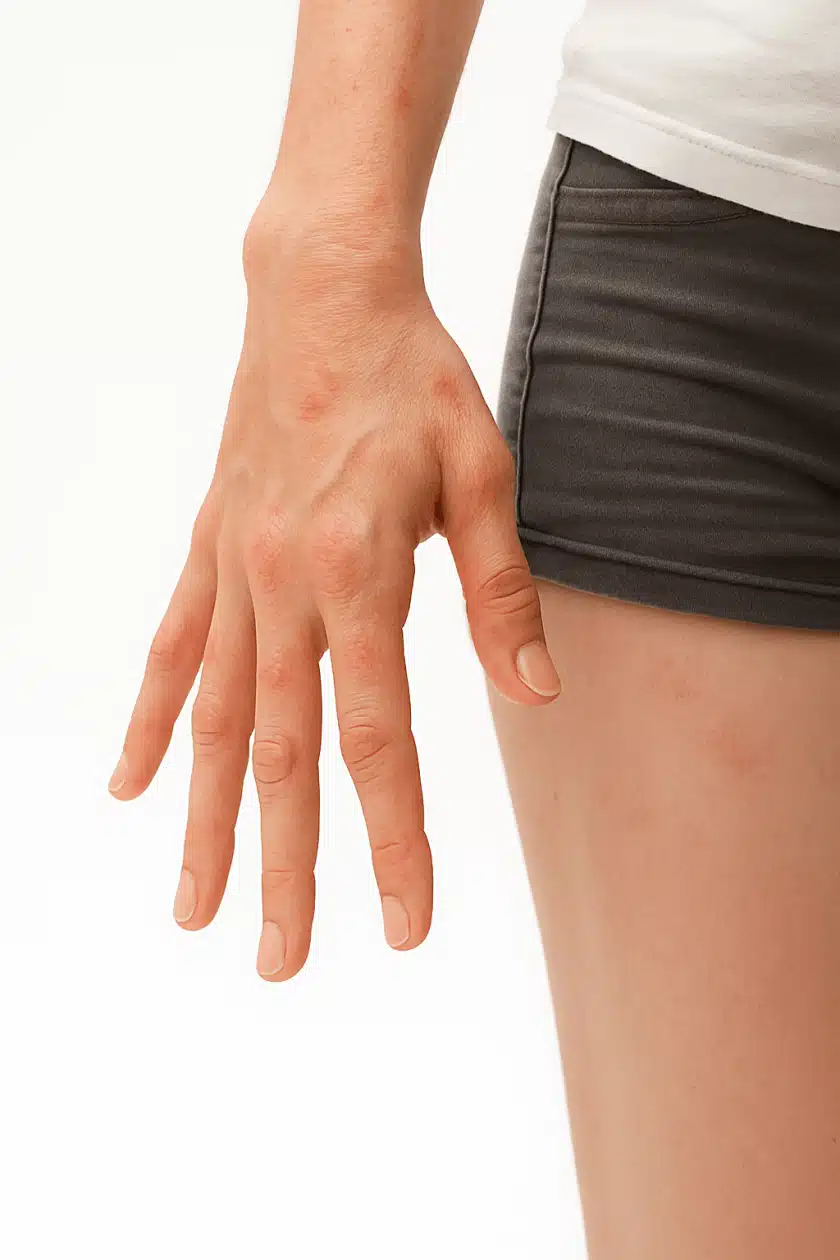
Influencers, frequent consumers of cosmetic products, are not immune to the side effects of their beauty routines. Daily makeup application, combined with product sharing among creators, can contribute to contact dermatitis, a skin inflammation causing redness and irritation. This highlights the importance of careful product selection and hygiene practices.
Adding to this is prolonged exposure to the blue light from screens and LED ring lights, now essential for achieving a flattering image in videos. These light sources can accelerate skin aging by promoting wrinkles, inflammation, and hyperpigmentation. In Ava, the skin appears marked, uneven, and prematurely aged.
Fatigued and Darkened Eyes
Ava’s face also reveals chronic eye fatigue. Researchers point to computer vision syndrome, also known as digital eye strain. Hours spent editing videos, live streaming, or scrolling through social media lead to dryness, redness, blurred vision, and pain. This underscores the importance of regular eye care and breaks from screen time.
The visible result: deep dark circles and under-eye bags. These are exacerbated by frequent sleep deprivation. Between nighttime editing and promotional trips to festive destinations, influencers often sleep little, which intensifies the risk of chronic fatigue, eyelid swelling, and even hair loss.
Hair and Face Shaped by Trends
Another distinctive feature of Ava is her thinning hair. This is attributed to traction alopecia, hair loss related to tight hairstyles and repeated use of extensions. By constantly stressing the hair follicles, the hair becomes thinner and recedes, sometimes leaving patches of baldness. Understanding the potential impact of styling choices is crucial for maintaining hair health.
Aesthetic trends like filler injections also accentuate facial transformations. When poorly performed or excessively repeated, they can alter natural proportions, creating swollen cheeks, an overly prominent chin, or an artificial skin texture.
A Warning Disguised as an Image
Behind the portrait of Ava lies a clear message: the lifestyle imposed by influence and social media comes at a cost, often paid for with one’s health. As the spokesperson for Casino.org, the originator of this representation, stated, “years of algorithm research, aesthetic pressures, and relentless content creation can have a visible impact on the body and mind.”
Far from being a simple caricature, Ava illustrates the very real risks of a daily life marked by screens, stress, and the pursuit of digital perfection.
Protecting Your Health in the Face of Screens
The key takeaway is simple: balance and prevention. Taking regular breaks from screens, getting enough sleep, varying cosmetic treatments, and avoiding excesses are all ways to reduce risks. Influencers, but also any heavy social media user, would benefit from recognizing that health and well-being should take priority over image and fleeting trends.
