
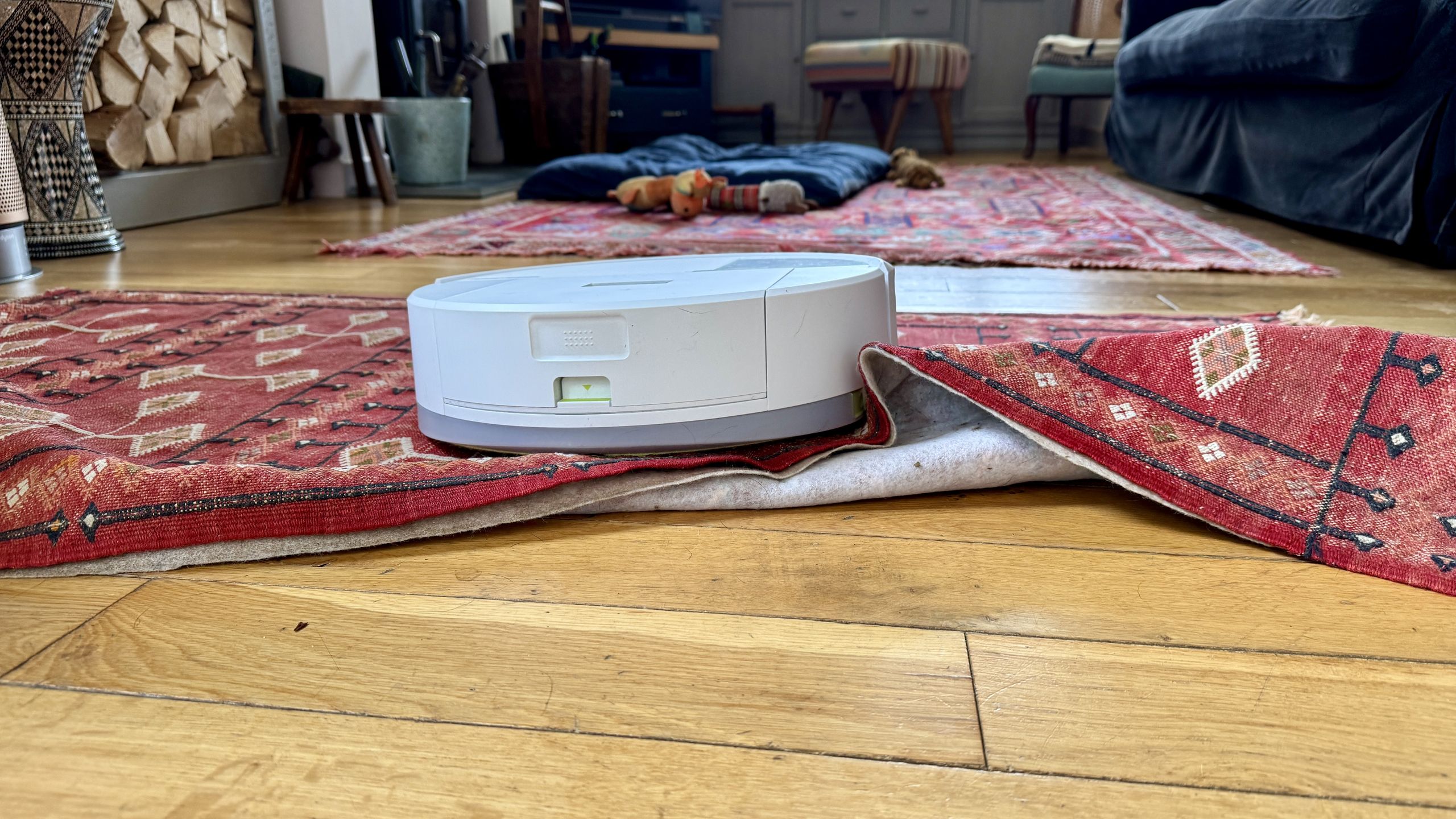
For years, Roomba was synonymous with robot vacuum cleaners, and iRobot was the default choice for consumers seeking automated floor care. But that era has passed. As of February 2026, purchasing a new Roomba feels less like investing in proven quality and more like leaning on a past reputation.
Last year, one reviewer had a Roomba Max 705C for testing, and it remains stored on a shelf, indicating infrequent use. Initial impressions were positive, with solid build quality and a straightforward setup process. The appeal of hands-free vacuuming and mopping remains strong, but doubts quickly emerged.
Reliability Concerns
The cleaning performance itself was adequate. Suction met expectations, and the robot navigated corners and edges reasonably well. The mopping system initially impressed, leaving floors visibly fresher. However, problems quickly began to accumulate. This highlights the challenges of integrating both vacuuming and mopping functionalities into a single robotic device.
After approximately two weeks, repeated notifications demanded dock cleaning, despite careful maintenance and thorough emptying of the collection system. Recurring issues plagued the mopping function, which had initially been a strong point. For a robot vacuum in this price range, minimal maintenance and reliable basic functionality are expected.
Around the holidays, the robot was moved to a guest room, disconnected from the dock and not scheduled through the app. Essentially deactivated, it was expected to remain there until needed again. Surprisingly, it began operating independently one day, without being plugged in or having a cleaning session initiated. It felt as if an classic task was unexpectedly executed, despite no current trigger.
Sharing the incident with colleagues sparked laughter, but it wasn’t an isolated event. A few days ago, the robot was reconnected on a home office floor. Before checking settings or creating a new map, it immediately started moving, heading directly toward the stairs, seemingly determined to fall. Such behavior erodes trust, especially in a device designed for autonomous operation.
This Isn’t a New Issue
The situation is made more frustrating by iRobot’s technological lag behind competitors. While other brands focus on advanced object recognition, more efficient mopping modules, and reliable self-emptying docks, many Roomba models offer only incremental improvements. Simultaneously, prices remain high, often resulting in a lower value proposition. The company filed for bankruptcy protection in Delaware, with plans to be acquired by Picea Robotics, its China-based manufacturer, a process expected to be completed by February 2026, according to PCMag.
Recent financial developments exacerbate these concerns. IRobot’s Chapter 11 filing and subsequent acquisition by Picea Robotics raise questions about the long-term future, despite assurances that the app will continue to function and warranties will be honored. Robot vacuums are not impulse purchases, but investments reliant on software, cloud connectivity, and ongoing support. The fate of connected devices following company restructuring is a growing concern for consumers.

iRobot represents a brand that once led the market but now struggles to keep pace. The experience with the Roomba Max 705C demonstrates that while the basics can still function, reliability and refinement are no longer guaranteed. In a competitive landscape where rivals innovate faster and offer better value, a compelling argument for choosing iRobot in 2026 is increasingly difficult to make.
This doesn’t mean every Roomba is inherently flawed, but the brand no longer sets the standard it once did. Consumers seeking a robot vacuum should look beyond this familiar name and critically assess what they receive for their money. Alternatives often offer more advanced technology and fewer uncertainties about their future.
