
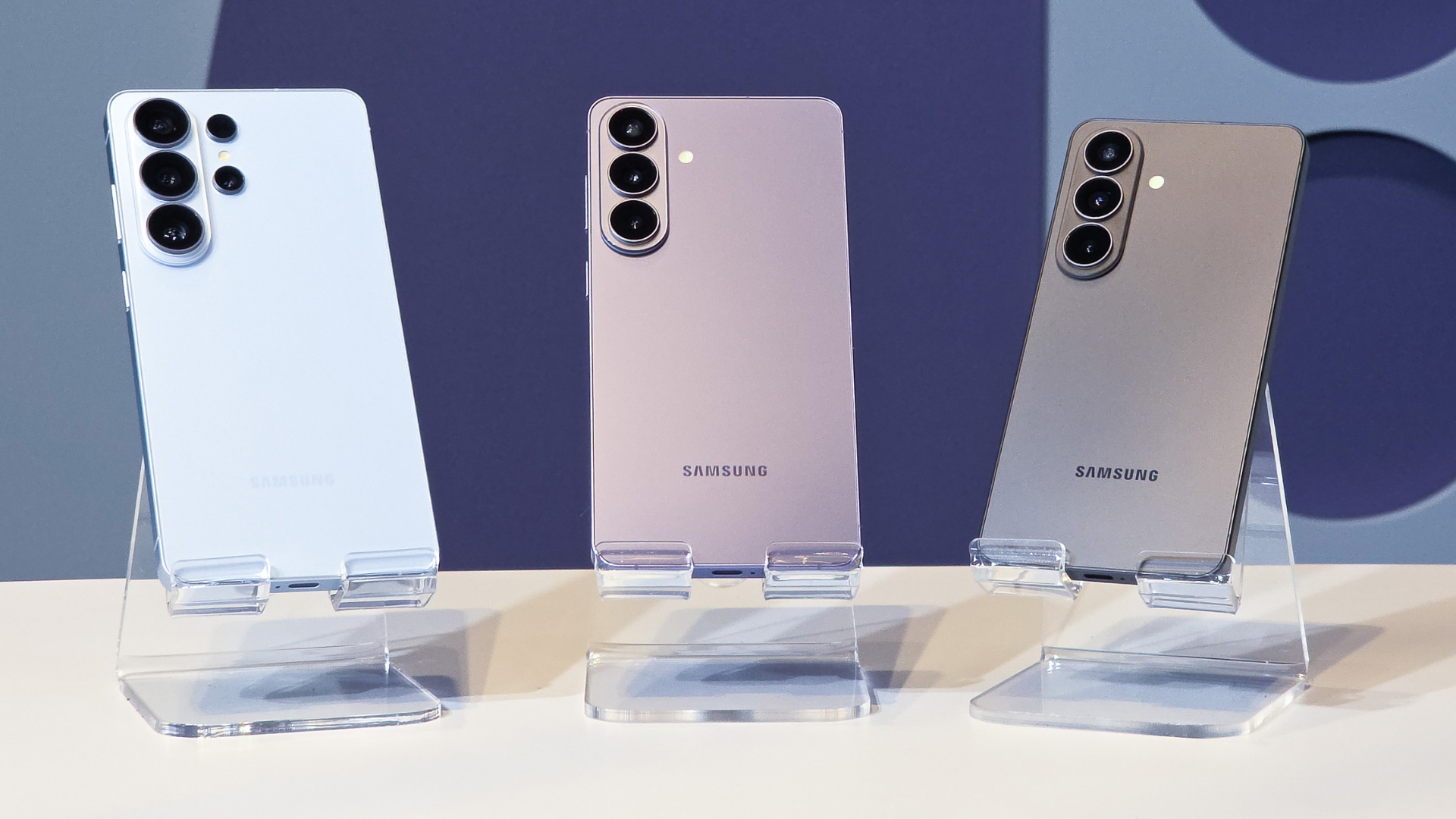
Samsung has officially unveiled its recent Galaxy S26 Ultra as the thinnest device in the line’s history. This reduction in thickness marks a strategic shift in the brand’s materials engineering, opting to move away from the titanium chassis used in the previous generation and return to Armor Aluminum. The new flagship introduces advancements in processing and displays with Privacy Display technology, but the choice of metal proved pivotal in achieving the device’s new silhouette.
Materials Engineering and Technical Benefits
The South Korean manufacturer justifies this transition as a technical necessity to reach the new design benchmark. According to information shared with SamMobile, the use of aluminum was fundamental to supporting a lighter and more streamlined form factor without sacrificing the durability expected in a premium segment. This decision allowed the device to reduce critical millimeters in its overall thickness, balancing structural strength with ergonomic comfort.
Industry experts indicate the change as well addresses technical challenges associated with titanium, a considerably more expensive material with inferior thermal dissipation properties compared to aluminum. By choosing its proprietary high-strength alloy, the company optimizes internal heat management – a crucial factor in maintaining stable performance of the new chipset. The move underscores the complex trade-offs manufacturers face when balancing premium materials with engineering requirements.
A Trend Followed by Other Manufacturers
Samsung’s move isn’t happening in isolation. Apple adopted a similar strategy in the transition from the iPhone 16 Pro to the iPhone 17 Pro, signaling a reevaluation within the industry regarding the use of exotic materials. The focus now appears to be on selecting metals that allow for the creation of thinner and more thermally efficient devices.
the abandonment of titanium in the new Galaxy should not be viewed as a step back in build quality, but rather as a functional choice. Samsung prioritized efficiency and lightness over the marketing associated with rare metals, establishing high-density aluminum as the new standard for its current generation of mobile phones.
