
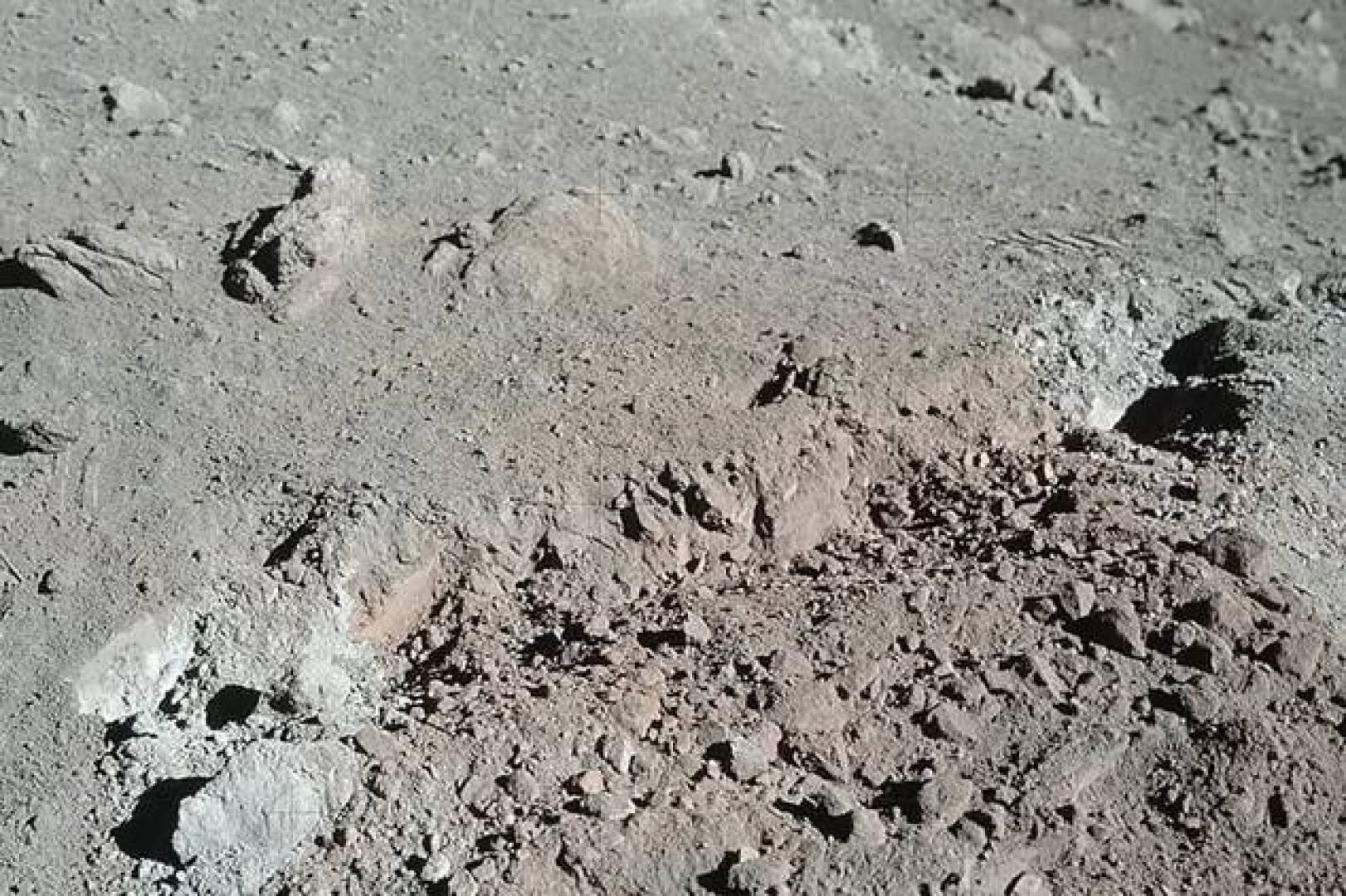
Researchers at Ohio State University have demonstrated a potential method for transforming lunar dust into durable building materials using a laser-based 3D printing technique, potentially paving the way for long-term human settlements on the Moon. This research offers a promising solution to the logistical challenges and high costs associated with transporting construction materials to space, a critical factor in establishing a sustained lunar presence.
The process involves using high-energy laser beams to melt lunar soil, similarly known as regolith, creating strong, heat-resistant, and non-toxic structures. This approach could significantly reduce the expense of sending building materials from Earth, according to the study.
Leveraging Local Resources Instead of Earth-Based Transport
This technology falls under the concept of In-Situ Resource Utilization (ISRU), which focuses on using resources available in space directly, rather than transporting them from Earth. Successful implementation of this method could enable the construction of several key components for future human missions, including:
Space habitats
Work tools
Landing platforms
Radiation shielding
Essential infrastructure on the lunar surface
Transporting materials to the Moon is exceptionally expensive, with costs potentially exceeding millions of dollars per kilogram.
Lunar Dust Properties and Challenges
Lunar dust, or “regolith,” is characterized by its fine, sharp-edged particles, glassy properties, and a composition rich in basaltic rocks. While abundant on the Moon, it is rare on Earth, prompting researchers to utilize synthetic materials that mimic its composition for testing the technology.
For this purpose, the team used a material called LHS-1, which simulates the composition of lunar highlands soil. Thin layers of this material were then exposed to a high-energy laser to melt the particles and bind them together.
Strong and Heat-Resistant Ceramic-Like Material
Upon cooling, a ceramic-like material with strong mechanical properties and high heat resistance is formed. Experiments showed that this material can be manufactured on various surfaces, including steel, glass, and ceramics.
The results indicated that the new material adheres weakly to steel and glass, but bonds well with similar ceramic materials, improving the overall strength and thermal shock resistance of the structure.
Impact of the Space Environment on Building Quality
Researchers emphasized that the properties of the resulting material are significantly affected by environmental factors such as oxygen levels and laser power. This finding is important because the Moon lacks an atmosphere and experiences extreme temperature fluctuations ranging from over 120°C to -170°C.
These conditions could lead to cracking or damage to structures if they are not designed appropriately. “Material properties are environment-dependent, directly impacting strength, durability, and thermal shock resistance,” noted Sizhe Xu.
Key Support for Lunar Settlement Plans
Scientists believe this technology could be pivotal in supporting future space exploration programs, particularly the NASA-led Artemis program, which aims to establish a permanent human presence on the Moon.
Sarah Wolff affirmed that manufacturing materials in space using limited resources can also contribute to developing sustainable solutions on Earth.
Promising Future Prospects
If this technology proves successful in real-world, off-laboratory environments, it could represent a significant step toward reducing the costs of space exploration and building independent infrastructure beyond Earth. It could also support sustainability and technological advancements in the fields of construction and advanced materials.
