
Foto: Evija Trifanova/LETA
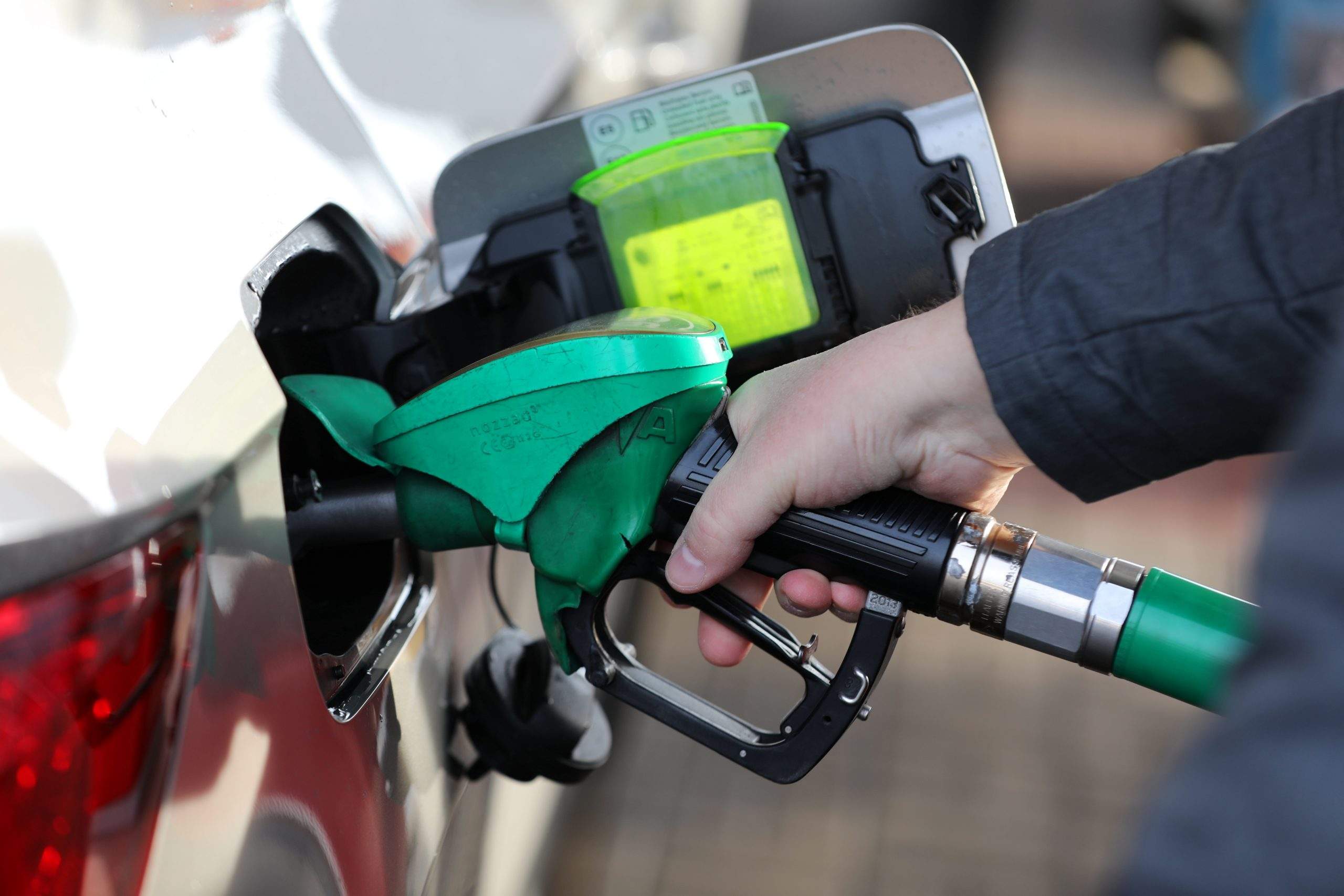
Escalating tensions in the Middle East are raising concerns about a potential surge in global fuel prices, with analysts predicting gasoline costs could reach levels not seen since before the COVID-19 pandemic.
The Czech Republic’s Foreign Minister confronted Russia’s Lavrov at the United Nations.
Artificial intelligence names 10 of the world’s most attractive men, including a controversial Latvian politician.
“Maybe I should just go home and watch TV?” Woman experiences an unpleasant surprise while attending the Golden Microphone Awards.
Read other news
According to a report by The Times, disruptions to the oil market caused by potential attacks by the United States and Israel on Iran would likely drive up both oil and fuel prices.
The extent of the price increase will become clearer late Sunday evening, when futures markets open in New York. Analysts identify the potential impact on key maritime oil transport routes as the primary risk factor.
However, a decision by the Organization of the Petroleum Exporting Countries (OPEC) to increase production, should it be reached at a meeting scheduled for Sunday, could mitigate these effects.
Unrest and bombing in the Middle East will undoubtedly act as a catalyst for disruptions to global oil supplies, inevitably leading to price increases. Motorists should therefore be cautious – we could see record-high fuel prices at gas stations in the next 10-12 days.
The potential for blocking oil tanker traffic in the Strait of Hormuz is of particular concern, as the report notes. Approximately one-fifth of the world’s oil cargo is transported through this route.
Some companies have already announced the suspension of deliveries through the strait. Analysts likewise point out that captains of oil tankers have received reports of a blockade of the strait from the Iranian military.
However, maritime traffic monitoring data indicates that some vessel movement continues.
Topics
