
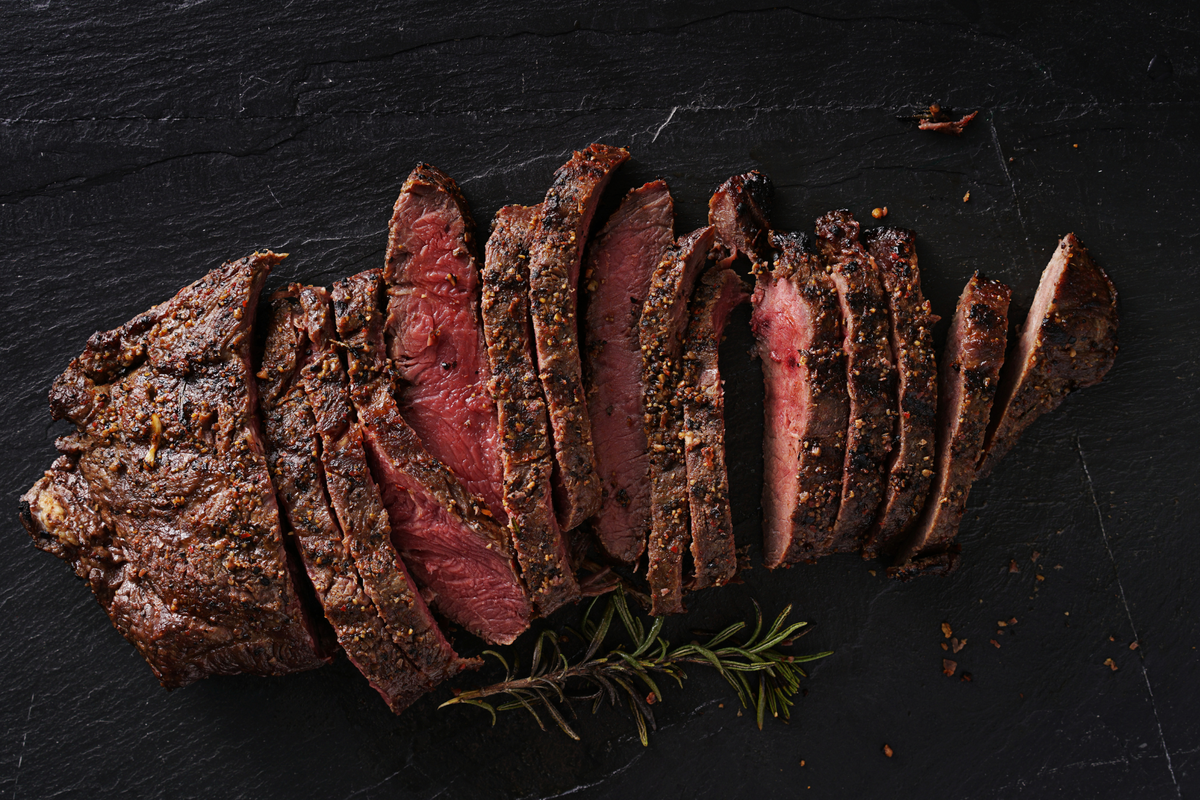
The carnivore diet, an extreme version of the ketogenic diet, restricts food intake to only animal products. The most stringent form, known as the Lion Diet, consists of nothing more than red meat, water, and salt. Even as experts have historically been skeptical, a recent review from the University of Applied Sciences Muenster suggests the effects of this diet are surprisingly complex.
Short-Term Benefits: Why People Report Feeling Better
Analysis of available studies reveals that individuals following the carnivore diet often report positive short-term effects. Researchers identified several key observations:
- Weight Loss and Satiety: High protein and fat intake can quickly suppress appetite, and the diet often leads to rapid weight loss as the body enters a state of ketosis.
- The ‘Elimination Effect’:** Many individuals with chronic inflammatory bowel disease (IBD) or other inflammatory conditions experience symptom relief. The theory suggests eliminating plant foods removes “antinutrients” like lectins and phytic acid, to which some people are sensitive.
- Improved Blood Markers in Those with Existing Conditions: Notably, people with pre-existing metabolic disorders saw improvements in blood sugar levels (HbA1c) and triglyceride levels.
The Downside: Hidden Nutritional Deficiencies
Despite the promising short-term results, the research raises concerns about the long-term health implications of eliminating all plant-based foods. A diet solely based on meat lacks essential nutrients that the body needs:
- Vitamin and Mineral Deficiencies: The review found that a meat-based diet almost invariably leads to low levels of vitamin C, E, folate, magnesium, and iodine. A lack of vitamin C is particularly concerning, as it’s crucial for immune function and connective tissue health.
- Cholesterol Spike: This may be the most significant risk. LDL cholesterol (“bad” cholesterol) and total cholesterol levels increased substantially in healthy participants. Researchers warn this could significantly increase the risk of cardiovascular disease over time.
- A Gut Microbiome Deprived of Fuel: With less than 1 gram of fiber per day (compared to the recommended 25-30 grams), the gut microbiome suffers. The beneficial bacteria in the gut need fiber to survive, and without it, the intestinal wall can become more vulnerable.
The Impact of Meat Source: Grass-Fed vs. Factory-Farmed
The research also offered a nuanced perspective on meat quality. Participants who chose meat from grass-fed animals had a more favorable omega-3 fatty acid profile. Consuming organ meats, such as liver, helped address some vitamin deficiencies, although researchers cautioned against excessive vitamin A (retinol) intake.
The Bottom Line
The scientists reached a firm conclusion: the carnivore diet is not recommended as a healthy long-term lifestyle.
While it may offer temporary benefits as a “reset” or extreme elimination diet for individuals with severe gut issues, the risks of heart disease and severe nutritional deficiencies are too great. The lack of antioxidants and fiber means the body essentially depletes its own resources over time.
What can you do? If your current diet isn’t working for you, consider a less restrictive approach. Start by eliminating processed foods and sugars before adopting a diet that cuts out a major source of vitamins.
University of Applied Sciences Muenster Canva
