
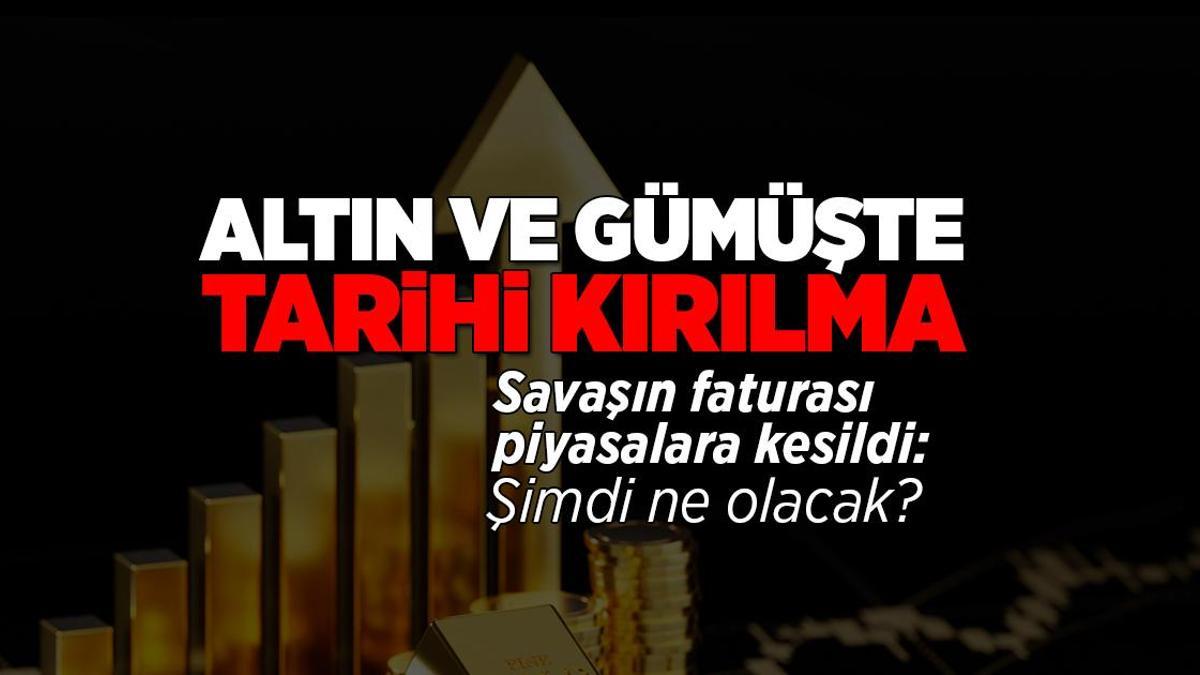
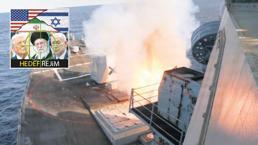
Middle East tensions surged over the weekend following reports of a joint operation by the U.S. And Israel, triggering market unease as investors assess the potential for wider conflict. The situation escalated after confirmation of the death of a key Iranian leader, prompting warnings of a significant retaliatory response from Iran.
The developments have quickly focused attention on the potential impact to safe-haven assets, with investors questioning what lies ahead for gold and silver prices.
U.S. President Donald Trump stated that Iran has indicated it will launch a more forceful attack than in the past, warning that the U.S. Would respond with unprecedented force. He further suggested that any conflict could last for as long as four weeks. The potential for escalation has already begun to influence commodity markets.
Gold prices experienced a significant increase on Friday, rising above 7,430 TL per gram, while the price of gold per ounce reached 5,265 USD. Silver also saw gains, increasing by nearly 6% to 133 TL per gram, with the price per ounce exceeding 94 USD. This movement underscores gold and silver’s traditional role as safe-haven assets during geopolitical uncertainty.
Market volatility continued into the start of the new week. Gold per ounce climbed to 5,393 USD and gold per gram rose to 7,623 TL. Silver per gram reached 136 TL, while silver per ounce surpassed 96 USD. Trading in the Grand Bazaar saw gold prices exceeding 8,100 TL.
“The Middle East is now in a thoroughly destabilized state,” said Hikmet Baydar, Founder of 3rd Eye Consultancy. “We learned over the weekend that the operation jointly conducted by Israel and the U.S. Resulted in the death of a key Iranian leader and top command echelon. Approximately 30 missiles were used to strike the leader’s residence, a fact confirmed by Iran. This has led to claims that the Strait of Hormuz will be closed, with some ships already altering their routes.”
Baydar added that Iran has launched missile attacks against Gulf countries hosting U.S. Bases, as well as against Israel. “These developments not only threaten the Strait of Hormuz but also pose a risk of the conflict spreading to other oil-producing countries throughout the Middle East.”

“Significant fluctuations are likely,” Baydar continued. “The fact that these events occurred over the weekend and amid ongoing peace talks could limit the immediate impact on markets. However, intervention by the U.S. To stabilize markets is possible.”
Looking ahead, Baydar anticipates that gold per ounce could quickly rise to 5,500 USD, with Brent crude oil potentially reaching 80 USD per barrel. He also forecasts a rise in silver prices, potentially reaching 104 USD and subsequently 115 USD per ounce.
“The intensity of the increase will depend on future developments,” Baydar stated. “If the conflict escalates and expands, the targets we’ve identified could be easily surpassed.”
“Currently, the situation doesn’t appear to be temporary. Putin’s call for an emergency Security Council meeting, and Dmitry Medvedev’s statement that ‘we will see who survives,’ clearly demonstrate the risk of the conflict spreading. In this scenario, we anticipate sharp and violent increases in commodities like oil, natural gas, gold, and silver.”
Baydar believes that silver has significant upside potential. “If tensions continue to rise and the conflict appears to be expanding, silver prices could soon test the 163 TL level. We could also see levels of 155 TL in the near future.”
Regarding gold, Baydar expects a parallel increase with gold per ounce, potentially reaching 7,600 TL. “Technical data already indicated an upward trend in both gold per ounce and gold per TL. If future developments confirm an escalation and expansion of the conflict, 8,000 TL could be possible this week. For now, One can say that 7,800 TL is an intermediate target.”
Investors should be prepared for potential panic movements, Baydar warned. “The increase in tensions in the region will drive a search for safe havens, potentially leading to a renewed focus on gold and silver. Volatile trading is likely as future announcements unfold. However, the fact that the attack occurred over the weekend and unexpectedly may have been intended to minimize the impact on markets. If the Strait of Hormuz is officially closed, or if Russia and China offer full support to Iran, we could see aggressive downward movements and even panic selling.”
