
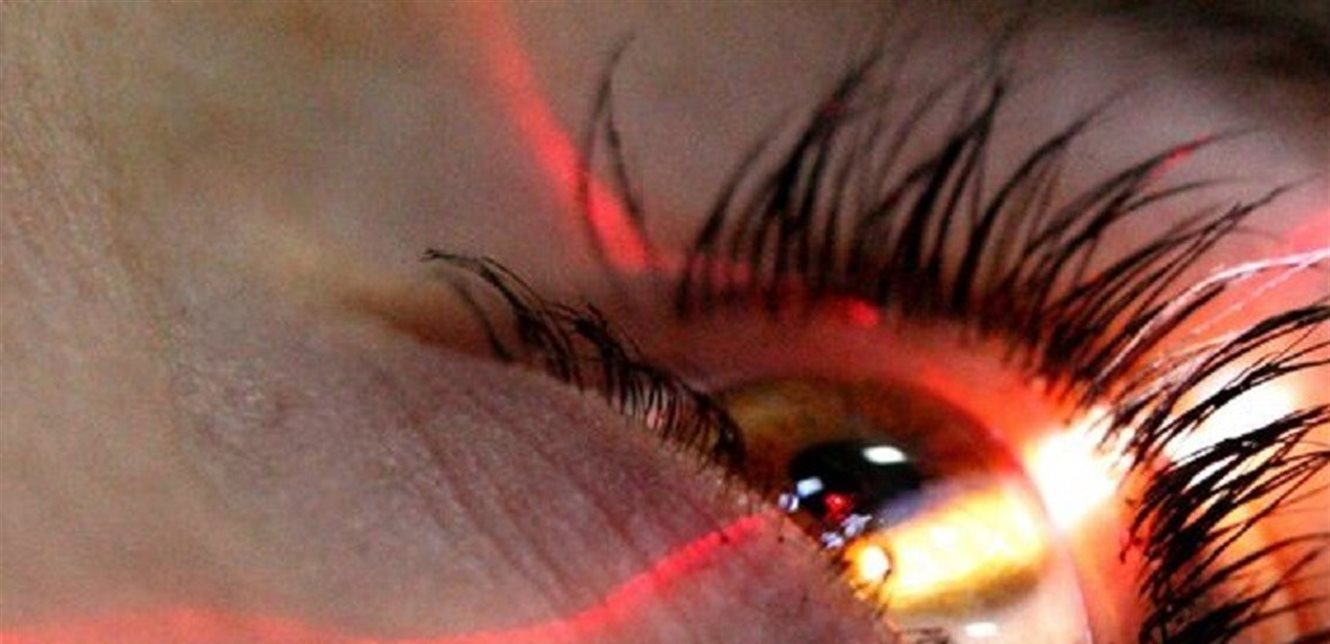
Individuals over the age of 40 may be at increased risk for developing glaucoma, a condition that can lead to vision loss, according to Dr. Denise Warren of the College of Optometrists in Britain. Understanding risk factors and getting regular eye exams are crucial for preserving vision as people age, highlighting the importance of preventative healthcare.
Certain groups are more susceptible to the disease, including those with elevated intraocular pressure, diabetes, high blood pressure, or severe nearsightedness. A family history of glaucoma also increases the level of risk.
Glaucoma impairs the drainage of aqueous humor from the eye, leading to increased pressure. This pressure damages the internal tissues, harms retinal cells, and affects the optic nerve. Initially, this results in a gradual narrowing of the field of vision, primarily affecting peripheral vision, before progressing to more rapid and irreversible vision loss, potentially leading to blindness.
Dr. Warren explains that while anyone can develop chronic glaucoma, the risk is heightened by a genetic predisposition or co-existing conditions that impact blood vessels and blood pressure. Chronic glaucoma often presents no noticeable symptoms in its early stages, making regular eye exams essential for detection.
Acute glaucoma, though less common, develops more visibly and rapidly. It frequently affects women and men over 40, as well as individuals with farsightedness. Symptoms appear suddenly and can include eye pain or discomfort, blurred vision, halos around light sources, eye redness, pain around the eye, nausea, and headache.
Experts emphasize the importance of routine eye examinations, particularly for those in higher-risk categories. Early detection of glaucoma can gradual the progression of vision loss and help maintain visual function for as long as possible.
