
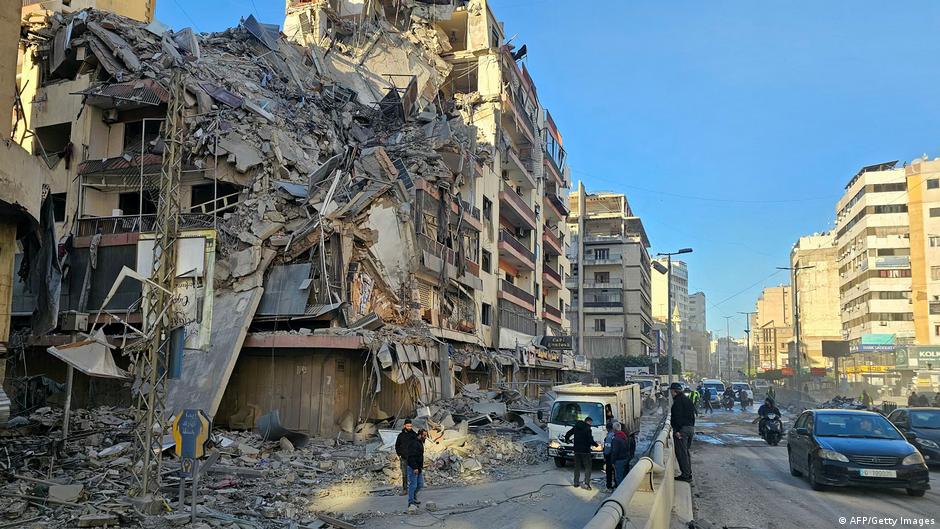
Escalating conflict between the United States and Israel against Iran is fueling instability across the Middle East, raising concerns about regional security and prompting a wave of unrest within several nations. The situation is particularly volatile as internal loyalties and political systems are tested amid the widening conflict.
“The Middle East is burning,” wrote Mohammed Chtatou, a professor at Mohammed V University in Morocco, in the Times of Israel. “We see not a single fire, but a constellation of simultaneous flames that respond, feed and spread with their own logic.”
Iraq’s Precarious Position
Following Israeli strikes that resulted in the death of Iran’s supreme leader, Ali Jamenei, several days of protests erupted in Iraq. Many experts believe the demonstrations quickly turned violent due to the involvement of Iranian-aligned Iraqi paramilitaries.
Tensions also rose in the Kurdistan region of Iraq after reports surfaced alleging U.S. Plans to support Kurdish groups in launching an insurgency within Iran. Tehran has already responded with attacks against the Iraqi Kurdistan region.
“Attacks in predominantly Kurdish provinces suggest a peripheral destabilization may be underway,” said Muaz al-Abdullah, a Middle East expert at Armed Conflict Location & Event Data (Acled), in an analysis published this week. He added that these risks “prolong internal instability, with potentially wider implications for regional security.”
This situation places Iraqi Kurdish leaders in a difficult position. While they have stated the Kurdistan region will not become involved in the conflict, the Iraqi federal government includes many Shiite politicians who support Iran. If Kurdish officials, who maintain their own army in the north, are seen as promoting insurgency in Iran, it could create a dangerous problem for the region.
Threats in Bahrain
In Bahrain, the smallest state in the Persian Gulf, protests against the war have turned violent, and residents have been arrested for expressing sympathy toward Iran.
Like other Gulf states, Bahrain is a monarchy that suppresses dissent. However, Bahrain’s ruling family is Sunni Muslim, while the majority of the population is believed to be Shiite.
Bahrain experienced significant pro-democracy demonstrations in 2011 as part of the Arab Spring uprisings. Local authorities responded with a harsh crackdown, and forces from the Unified Military Command, a Saudi Arabia-led military alliance, entered the country to help control the protests. Rumors suggest those forces have returned to Bahrain to manage the new protests, but this has not been confirmed.
Lebanon: Tensions Between Armed Groups
The war has also intensified clashes between the Lebanese government and Hezbollah, the powerful Shiite militant group allied with Iran. Both Israel and the United States have demanded the disarmament of the militia, but the group has resisted. The Lebanese government also wants Hezbollah to relinquish its weapons, in part to prevent further incursions and Israeli airstrikes.
After Hezbollah launched rockets toward Israel on March 2, triggering a strong Israeli response, the Lebanese government banned all military and security activity by the group.
Social tensions are rising, with many Lebanese citizens, including Shiites who previously supported Hezbollah, now calling for its disarmament.
“The near-unanimous solidarity with the ‘resistance’ has given way to anger at an escalation considered as useless as it is suicidal,” wrote the Lebanese newspaper L’Orient Today.
What’s Next?
“Many analysts overlook the emotional and religious weight of Jamenei’s death,” said Mohammed Albasha, an analyst at the U.S. Consulting firm Basha Report. “For many, the supreme leader is not just a political figure. He is linked to a sacred system.”
The religious factor is dominant. “Because of this, the strongest reaction will likely come from groups that accept this religious authority,” he explained. “Hezbollah and some Iraqi militias could push Lebanon and Iraq toward a deeper regional confrontation.” He added, “In Bahrain, Saudi Arabia, and Kuwait, it is less likely that Shiite groups will directly challenge their governments, although small-scale disturbances by fringe elements cannot be ruled out.”
(dz/rr)
