
South Korea Considers Price Controls as Fuel Costs Soar
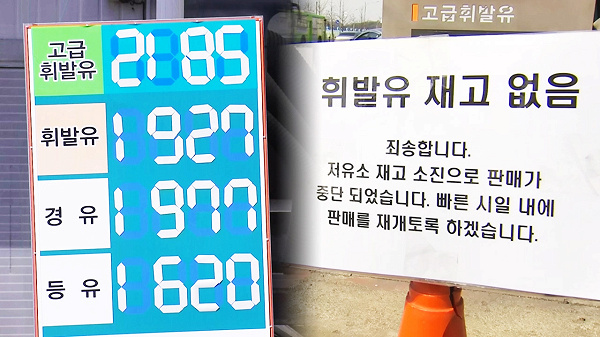
Seoul is contemplating implementing a price cap on gasoline and diesel fuel for the first time in three decades, as domestic prices surge amid escalating global oil prices. The move comes as gasoline prices in the capital city have climbed to around 1,900 won per liter, with diesel surpassing gasoline costs, according to a report from Yonhap News Agency. This development underscores the growing pressure on consumers and policymakers to address rising energy costs.
The government has pledged to rigorously investigate and penalize any instances of price collusion or hoarding, but the rapid increase in international oil prices – spurred by geopolitical tensions including the conflict involving the U.S., Israel, and Iran – is proving difficult to contain. President Lee Jae-myung has directed officials to examine the feasibility of a maximum price designation for petroleum products, stating on March 5th, “Even though there is no serious disruption in oil supply, gasoline prices have soared suddenly.”
Nationwide, the average gasoline price stood at 1,856.3 won per liter on March 6th, a 22.0 won increase from the previous day, according to data from the Korea National Oil Corporation’s Opinet system. The potential reintroduction of price controls, a measure effectively discontinued after the 1997 liberalization of the oil market, is being approached with caution due to concerns about market distortion and the potential financial burden on the government.
The situation is also impacting the freight industry. According to The Kyunghyang Shinmun, freight workers are facing significant financial strain as diesel prices have jumped by 300-400 won per liter in just one week, without a corresponding increase in transportation rates. “Diesel prices have risen by 300 to 400 won in just one week, but transportation costs remain the same. My monthly income is expected to decrease by nearly 1.5 million won,” said a 30-year-traditional individual freight carrier.
The Korea Petroleum Association reported that the national average diesel price reached 1,917.34 won per liter on March 8th, a 20% increase from March 1st. The rising costs are prompting calls for an expansion of the safe freight rate system to cover all vehicle types and cargo categories.
Meanwhile, News1 reports that the Cargo Solidarity union is demanding that increased fuel costs be reflected in freight rates to ensure the survival of workers. The government is also taking steps to monitor fuel prices, with a joint task force beginning on-site inspections of gas stations on March 6th to assess pricing and sales conditions. In Jinju, local authorities have sent letters to fuel retailers requesting they minimize price increases, according to Newsis.
The surge in fuel prices is creating long lines at cheaper gas stations, as consumers seek to mitigate the impact of rising costs. The potential implementation of price controls remains under review, with officials weighing the benefits of consumer relief against the potential drawbacks of market intervention.
