
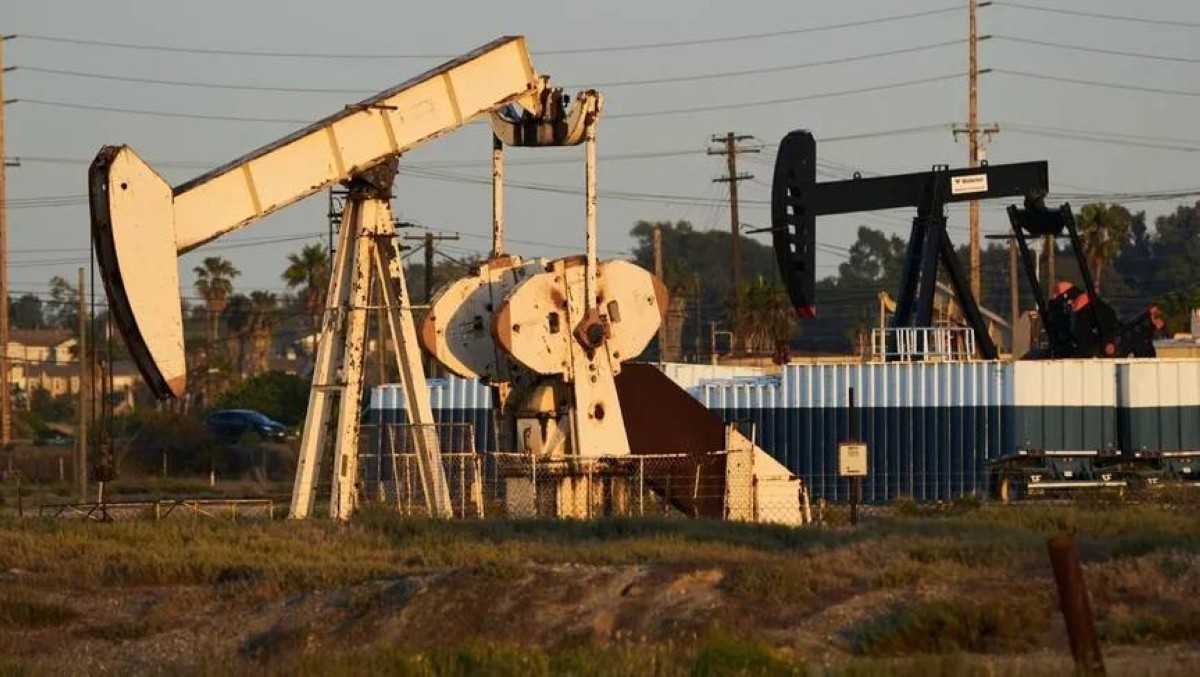
Major industrial nations comprising the Group of Seven have refrained from tapping into their strategic petroleum reserves in an effort to curb rising global oil prices.
The decision comes amid geopolitical tensions and disruptions in energy markets, with G7 countries opting against releasing reserves at this time despite pressure from increasing prices. This highlights the delicate balance nations face in navigating energy security and economic stability.
The Group of Seven includes the United States, Canada, the United Kingdom, France, Germany, Italy and Japan – all major economic powers whose decisions significantly impact global energy market equilibrium.
Oil prices have experienced sharp fluctuations recently, driven by Middle East tensions and supply disruptions, increasing pressure on governments to find tools to balance market stability with protecting their strategic reserves. According to a report from Reuters, a French government source indicated that G7 finance ministers discussed the possibility of a joint release from emergency stockpiles on Monday, March 9, 2026, to counter price increases.
Discussions as well included exploring the use of strategic petroleum reserves in coordination with the International Energy Agency, as reported by the Financial Times. Brent crude futures opened the week on Monday, March 9, 2026, with a more than 30% price increase, reaching $119 a barrel – a level not seen since 2022. West Texas Intermediate crude contracts saw a similar jump, reaching a session high of $119.43 a barrel. The decision underscores investors’ focus on geopolitical risks and their impact on energy supply.
The BBC reported that G7 nations stated they are prepared to grab “necessary actions” to support global energy supplies, but a virtual meeting of the group’s finance ministers with the International Energy Agency concluded without an agreement to release strategic oil reserves.
