
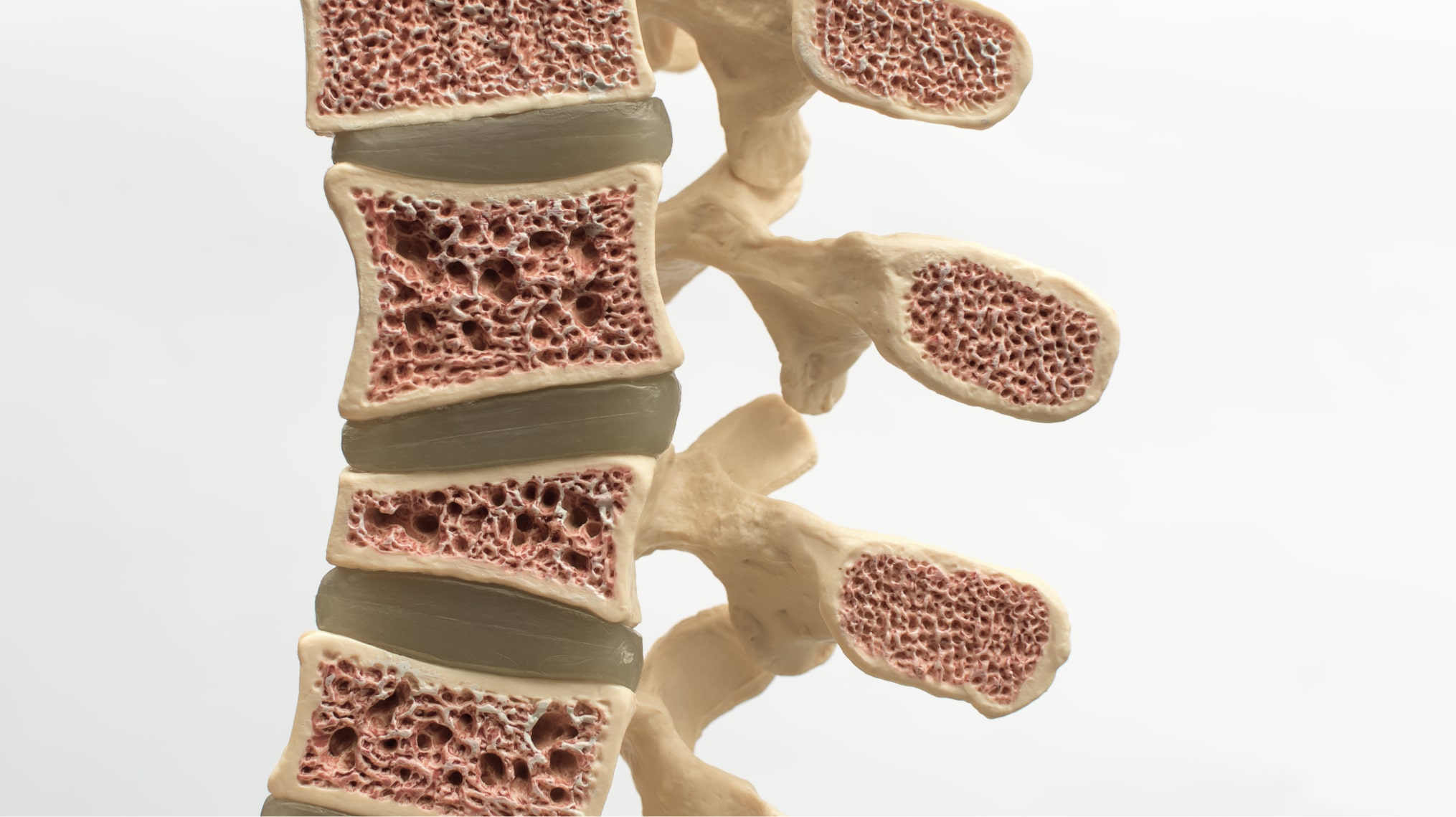

A new study offers a promising, and potentially affordable, avenue for treating osteoporosis. Researchers at the Musculoskeletal Pathology group of the Santiago Health Research Institute (IDIS) have found that colchicine, a drug long used to manage gout, may effectively combat the bone weakening associated with the condition.
Published in the scientific journal Pharmaceutics, the research demonstrates that colchicine can counteract bone adiposity – the accumulation of fat within bone – a critical process that compromises bone structure and increases fracture risk. Osteoporosis is a major public health concern, particularly as global populations age.
The key to this effect lies within bone marrow. Over time, or due to underlying health issues, the interior of bones can accumulate fat instead of firm tissue, reducing bone density. The team, led by Rodolfo Gómez, discovered that colchicine directly impacts mesenchymal stem cells, prompting them to develop into bone-forming cells (osteoblasts) rather than fat cells (adipocytes).
An Accessible and Affordable Treatment Option
The potential accessibility of this treatment is a significant benefit, according to Gómez. “Colchicine is a simple, inexpensive tool used daily by thousands of patients,” he explained, suggesting it could be readily integrated into new clinical protocols. This is particularly crucial as access to osteoporosis treatments can be a barrier for many.
In vitro results indicate that even low and short-term doses of colchicine are sufficient to inhibit the formation of fatty tissue within bone, while maintaining a favorable safety profile for patients. While further validation in more complex preclinical models is needed, the findings represent the first evidence that the drug, at therapeutic concentrations, promotes the generation of new bone tissue.
Researchers emphasize that this discovery opens a new horizon for osteoporosis treatment. The study suggests that repurposing existing medications may be the most efficient and rapid strategy for improving quality of life for those affected by the disease.
