
Spanish Nephrology Society and Pharmacy Associations Form Alliance
One in ten people worldwide suffers from Chronic Kidney Disease (CKD), a condition characterized by the progressive and irreversible deterioration of the kidneys, leading to a gradual loss of kidney function.
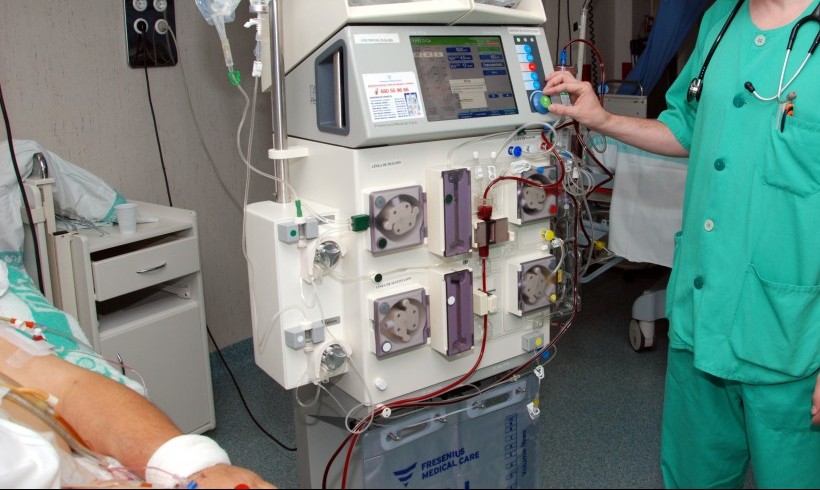
In Spain, approximately 15% of the population is affected by this disease, which is a growing public health concern. The challenge isn’t just the prevalence of CKD, but also the fact that it’s often diagnosed at advanced stages, when treatment options are more limited and the impact on quality of life and survival significantly decreases. This is largely due to the fact that symptoms typically don’t appear until the disease has progressed. Early detection is crucial for managing kidney health and preventing severe complications.
A lack of public awareness further complicates the situation. In fact, the Interconnected Barometer, a population survey conducted in Spain, reveals that more than half of the Spanish population (52%) is unaware that the condition can begin without any noticeable symptoms.

and coinciding with World Kidney Day, celebrated on March 12th under the theme “Kidney health for all. Caring for the people, protecting the planet,” the General Council of Pharmaceutical Colleges and the Spanish Society of Nephrology (SEN) are launching a campaign aimed at pharmacists and the general public.
Campaign Goals
The campaign aims to improve pharmacists’ knowledge of the most relevant aspects of CKD and its management from a community pharmacy perspective. It also seeks to raise awareness among citizens, through pharmacies, about the importance of early detection.

Jesús Aguilar, president of the General Council, emphasizes that “collaboration between pharmacists and nephrologists is essential so that, together, we can prevent the serious damage that Chronic Kidney Disease can cause to patients’ health and its impact on the healthcare system if it is not addressed in time.”
A Silent Condition
Emilio Sánchez, president of the SEN, states that “Chronic Kidney Disease is a silent condition that continues to grow in our country – already affecting 15% of the population – and is detected in its advanced stages, when Renal Replacement Therapy such as dialysis or a transplant is necessary for those affected to continue living. That’s why prevention and early detection are so crucial. Community pharmacies, as accessible healthcare spaces, can play a significant role by informing the public about symptoms, causes, and risk factors, and by promoting early detection and providing support to patients.”
Infographics and Posters for Pharmacies
To achieve the campaign’s objectives, two infographics have been created: one for pharmacists and one for the general public. The infographic for pharmacists visually summarizes key information about CKD, including its definition and clinical values, as well as clinical manifestations such as fatigue, swelling of the legs, feet, and ankles, urinary changes, itching, nausea, and difficulty breathing. It also outlines potential complications like anemia, high blood pressure, excess potassium and acid in the blood, frailty, and a high risk of cardiovascular disease.
The infographic also details the risk factors for CKD, including blockages in the urinary tract, diabetes mellitus, high blood pressure, kidney damage caused by medications, obesity, and smoking.
The pharmacist infographic is supplemented with information on clinical tests, pharmacological treatment, primary and secondary prevention, and when to refer to a physician. Referral to a physician is recommended when a person presents with elevated creatinine, high blood pressure, diabetes mellitus, and risk factors.
Recognizing the Symptoms
The document prepared for the general public explains what CKD is and emphasizes the importance of early detection, highlighting the most common symptoms, which usually appear when the disease is quite advanced. It also advises individuals in at-risk groups – those with diabetes mellitus, high blood pressure, a history of CKD or cardiovascular disease, and those over 60 with risk factors, or those taking nephrotoxic medications chronically – to consult a doctor.
Particularly useful is the section summarizing recommendations that can be given from the pharmacy to prevent CKD. These include maintaining a healthy weight, avoiding alcohol, tobacco, and drugs, engaging in regular physical activity appropriate for the patient’s condition, reducing intake of high-calorie foods, fats, salt, and ultra-processed foods while increasing fiber intake, and adjusting protein consumption.
The campaign materials also include a poster that pharmacies can display to raise awareness of the initiative with three key messages: CKD causes progressive and often irreversible deterioration of the kidneys; the disease progresses silently, and symptoms can become severe when they appear; and the key is prevention and early detection.
