
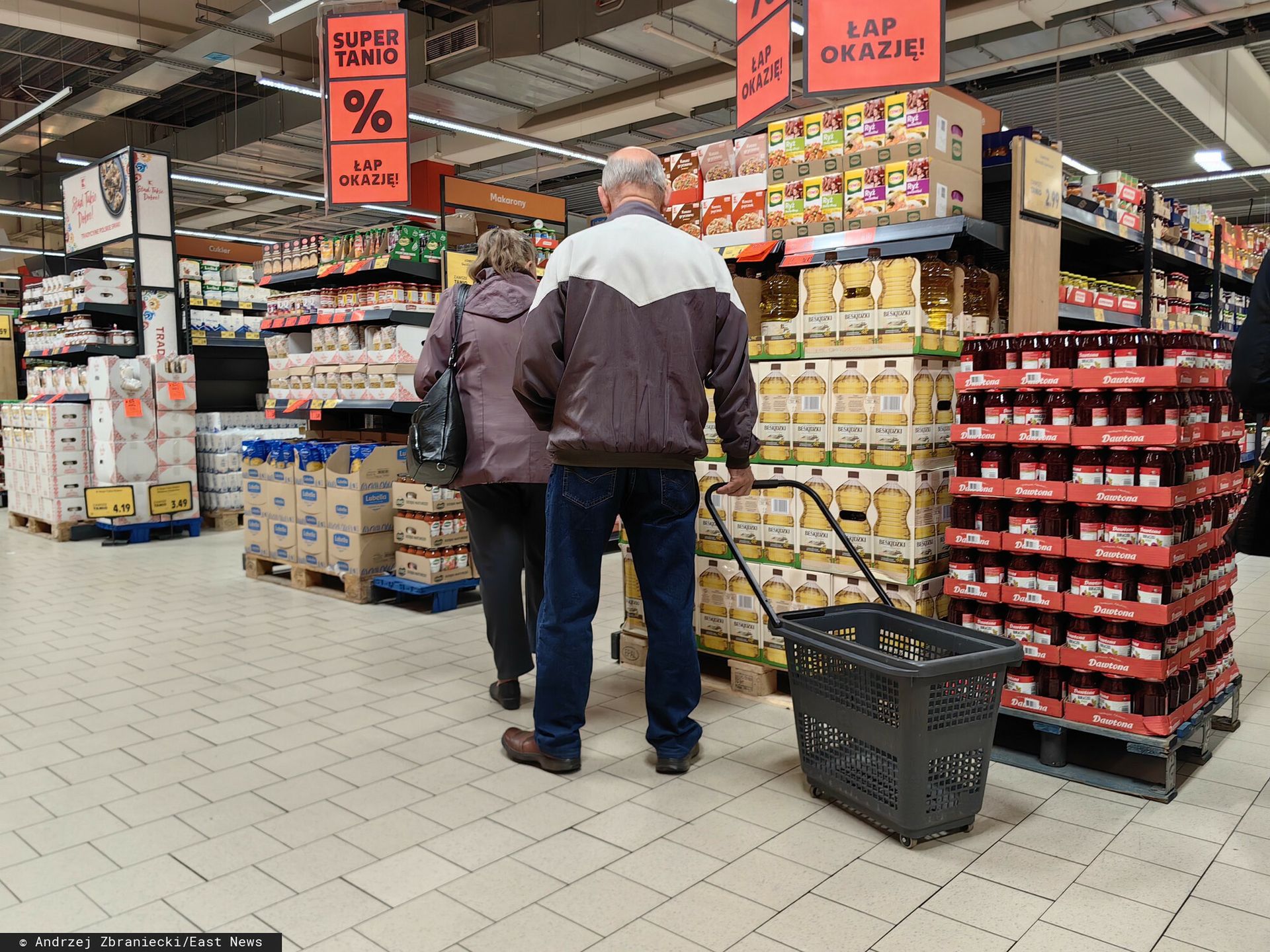
Recent data indicates a stabilization in inflation levels within the Polish retail sector, though prices remain significantly higher than they were just a few years ago.
Over the past three months, price changes in stores have been relatively contained, increasing at a slower pace than during peak inflation. However, despite the deceleration, current purchase costs are substantially elevated compared to levels seen three years prior. This cumulative price increase, rather than the current rate of change, is having the most significant impact on Polish consumers’ wallets, according to Dr. Robert Orpych of the University of WSB Merito.
Consumers Express Concern Over Fuel Prices
Essential Goods Continue to Rise in Price
The report shows that prices rose 3.8 percent year-over-year in February, impacting not only food, but also non-alcoholic and alcoholic beverages, as well as everyday necessities like cleaning supplies and baby products. In January, prices increased by 3.7 percent, and in December of the previous year, the increase was also 3.8 percent.
Dr. Orpych noted that Poland’s Consumer Price Index (CPI) registered 2.2 percent year-over-year in January 2026. “So that prices in stores have been increasing almost twice as rapid,” he stated. This disparity explains why consumers often perceive the economic situation as worse than official data suggests.
The report focuses on a narrow, but particularly important, group of products for households, even as the CPI covers a much broader basket of goods and services, including fuel, services, and electronics, which can lower the overall inflation figure.

Data collected by UCE Research shows that food prices alone rose by an average of 3.4 percent year-over-year in February. This followed increases of 3.2 percent in January and 3.1 percent in December of the previous year.
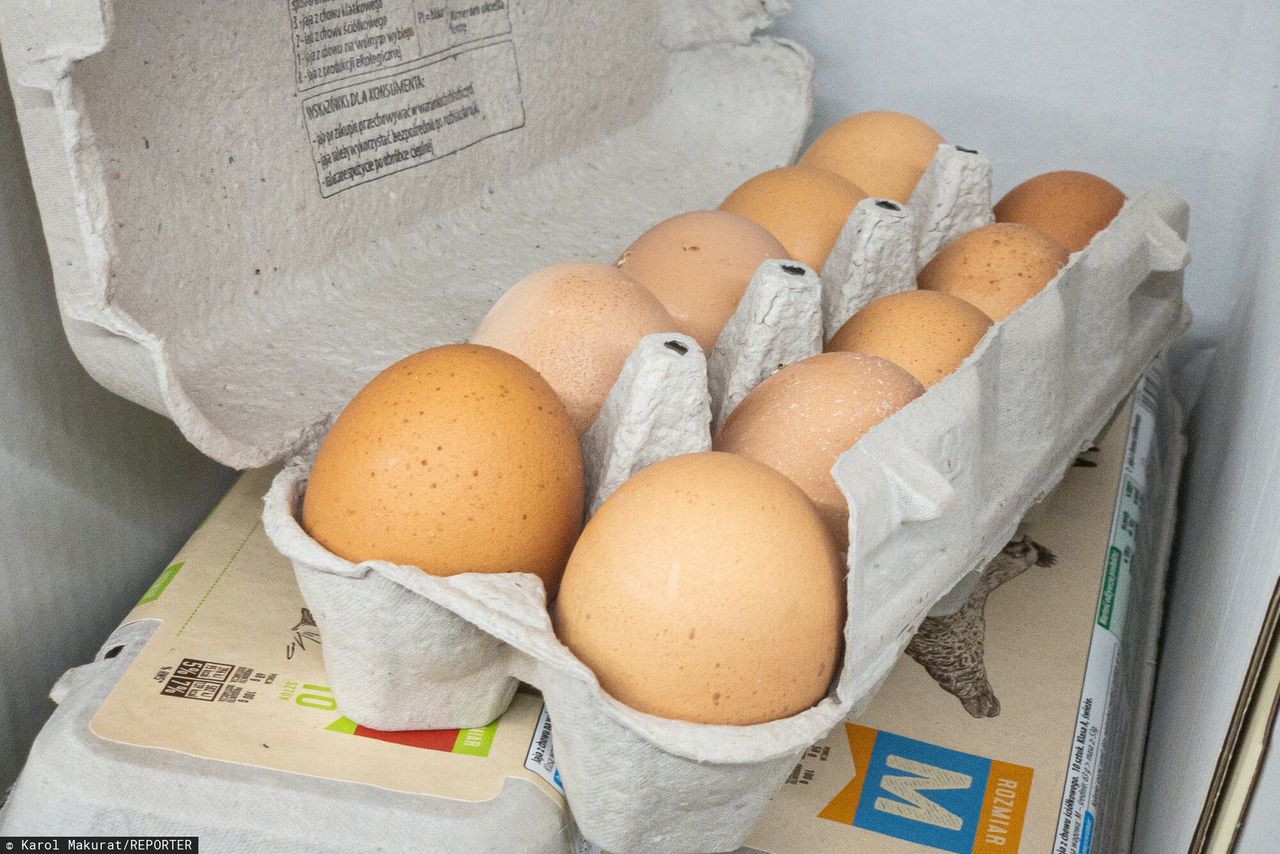
Dr. Marek Szymański of the University of WSB Merito observed that prices in the food industry fell by 3.2 percent over the year, while prices in stores increased by a similar amount. “Apparently, as consumers, we are accepting this level of prices. Over the past year, average wages have increased by 6 percent, so One can afford to ‘swallow’ higher food prices,” he said.
According to Robert Orpych, the difference between the dynamics of price increases across all analyzed categories and food alone is one of the most interesting signals from February’s data. He views this as good news for consumers, as food products have historically been the main driver of price increases in the daily shopping basket.
“In the case of basic food products, competition between retail chains is relentless and curbs margins. It’s also worth remembering that stores often reduce the grammage of a product instead of raising prices. Consumers pay the same amount, but get less. And that is a price increase that statistics don’t capture,” the expert emphasized.
