
Breaking News
Germany will release parts of its national oil reserve as global oil prices surge following the outbreak of conflict in Iran. The government also plans to limit how often gas stations can raise prices.
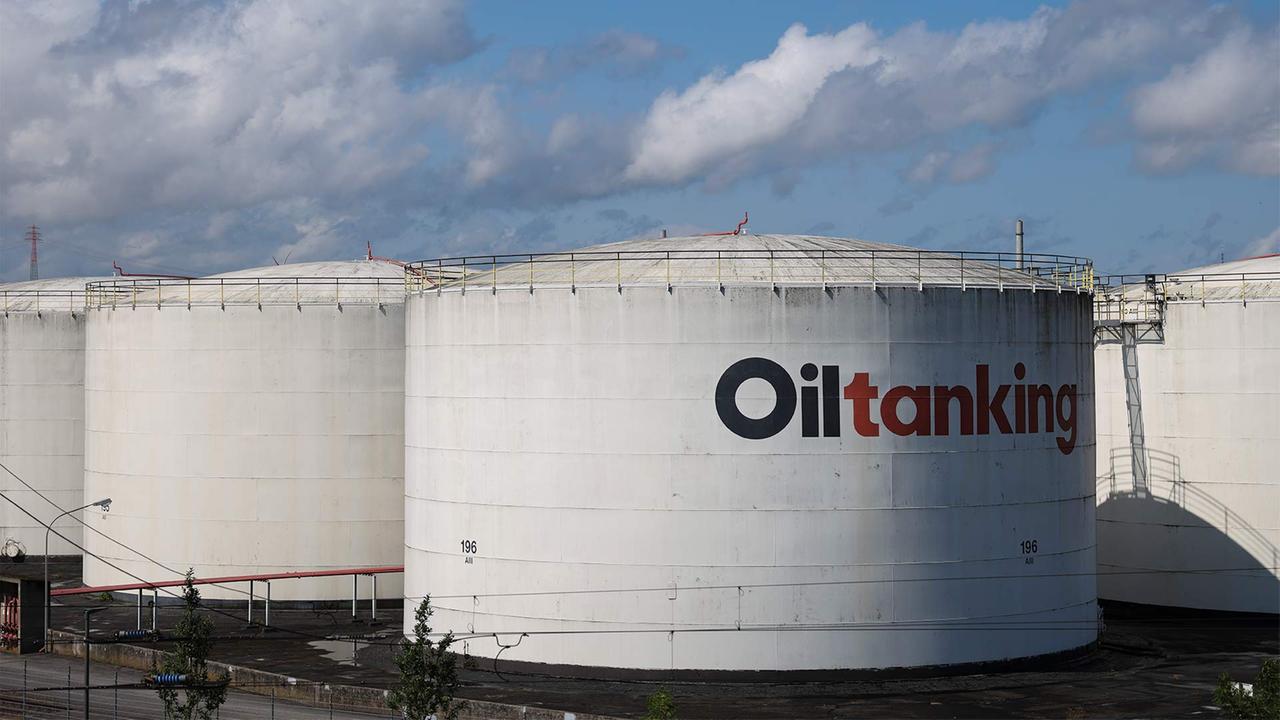
Germany is releasing a portion of its strategic oil reserve in response to significantly increased oil and gasoline prices worldwide due to the ongoing conflict in Iran.
“The oil supply situation is tense, as the Strait of Hormuz is currently effectively impassable,” Federal Minister for Economic Affairs Katherina Reiche said at a press conference on Tuesday, announcing the release. The world market price of oil has risen by 30 percent, according to the minister. Releasing reserves is intended to dampen price increases.
G7 nations discussed releasing reserves earlier today. This coordinated step is being overseen by the International Energy Agency (IEA), which held a special session yesterday. Reiche confirmed that the IEA had recommended a release to its member states, totaling 400 million barrels of crude oil. Germany will comply with the IEA’s request, she stated: “Because Germany stands behind the IEA’s most important principle: mutual solidarity.”
Asian Countries Heavily Reliant on Oil from the Gulf Region
Large volumes of oil from the Gulf region, which must pass through the Strait of Hormuz, are destined for Asian countries. According to Reiche, IEA member states Japan and South Korea are particularly affected by price spikes. Japan has already announced it will follow the IEA’s recommendation – as has Austria, according to Reuters.
The 32 IEA member countries still need to approve the recommendation, but Reiche expects that to happen. The states collectively hold 1.2 billion barrels of oil in emergency reserves. The Paris-based organization says there are 600 million barrels of industry stocks. The IEA requires its members to maintain oil stocks equivalent to at least 90 days of net imports.
Germany’s gas supply remains secure, Reiche emphasized. Gas storage facilities are 21 percent full, and dependence on gas from the Gulf region is very low, at less than four percent.
Limiting Price Increases at Gas Stations
Reiche also announced that price increases at gas stations will be limited in the future. To ease the burden on commuters and businesses, the frequency of price changes at the pumps will be restricted. Following the “Austrian model,” gas stations will only be allowed to raise prices once a day, the minister said. Price reductions, still, will be permitted at any time.
This will require an amendment to antitrust law. The government is also examining stricter abuse supervision by the cartel office in the fuel sector, which would lead to increased controls over costs and prices.
Gasoline prices have risen for twelve consecutive days. Politicians from several parties have criticized this, saying commuters are being “ripped off” and that prices are being raised too quickly. Gas station operators also criticized the oil companies, stating they have no influence over pump prices.
