
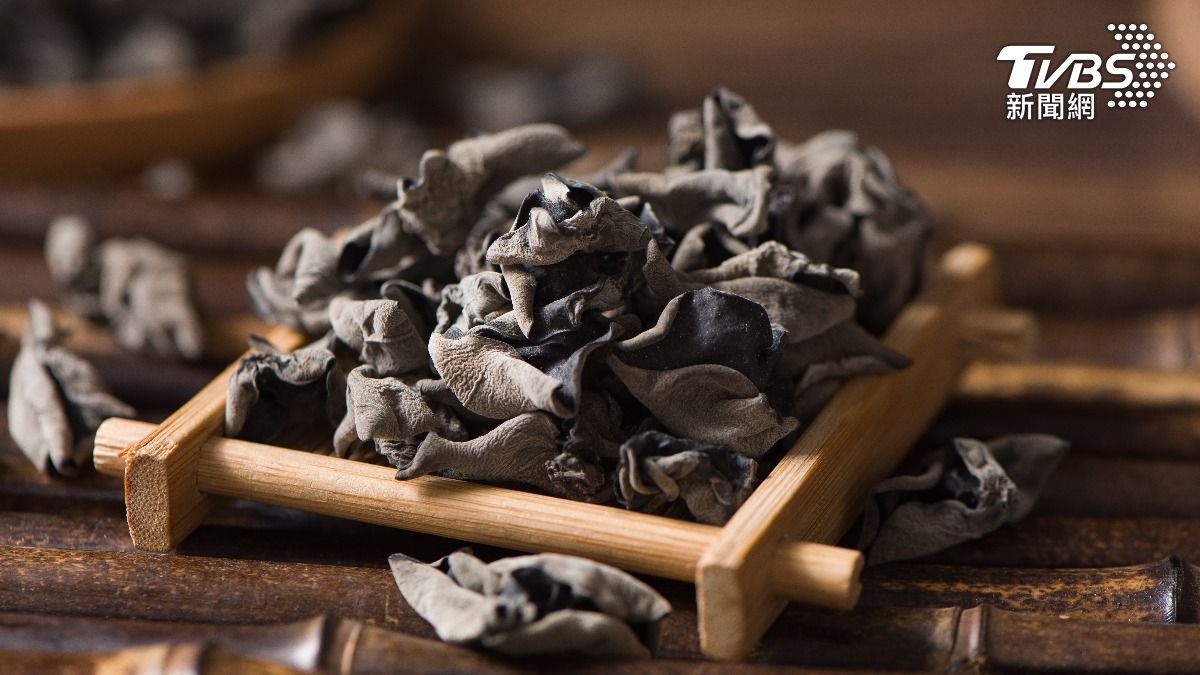
Black fungus, similarly known as wood ear mushroom, offers a range of health benefits, including potential anti-cancer and heart-protective effects. Recent research suggests that combining it with a specific food may even help prevent cognitive decline. However, experts caution that certain individuals should avoid consuming it.
Nutritionist Xie Yifang points out that black fungus is valuable for regulating gut bacteria, lowering cholesterol, managing blood sugar, fighting cancer, providing antioxidants, and slowing aging. These benefits are particularly relevant in preventing common chronic diseases.
The mushroom is rich in amino acids, dietary fiber, pantothenic acid, selenium, copper, vitamin D2, vitamin B1, and vitamin B2. It also contains various health-promoting chemical compounds, including phenolic compounds with high antioxidant activity.
Black fungus also contains beta-glucan, reducing sugars, protein polysaccharides, polysaccharides, melanin, pectin, 5′-nucleotides, vitamin D2, sclerotia, and sclerotinin. Xie Yifang notes that all varieties of black fungus exhibit anti-inflammatory activity, and sclerotinin’s high antioxidant properties may contribute to increased vitamin D2 content.
Regarding the specific benefits, Xie Yifang detailed how black fungus impacts health. It regulates the gut microbiome through metabolic products affecting 51 pathways, primarily focused on arginine biosynthesis. These pathways can lower total cholesterol and low-density lipoprotein cholesterol while altering gut microbiome composition.
Black fungus polysaccharides have a multi-faceted regulatory effect on high cholesterol. Animal studies have shown significant reductions in serum and liver total cholesterol and triglycerides. It can also act as a lipid-lowering agent and protect the liver by enhancing antioxidant activity.
The mushroom can also help regulate blood sugar levels through multiple angles, contributing to overall glucose balance. It exhibits anti-cancer properties. The findings highlight the potential of dietary interventions in managing chronic diseases.
While often touted for its collagen content, physician Wu Yiru clarified that the viscous substance produced when cooking black fungus is simply soluble fiber. It does not contain collagen. However, the mushroom still offers four key benefits: improving blood circulation, anti-aging effects, antioxidant properties, and blood sugar regulation.
Black fungus is rich in nutrients like protein, iron, and vitamin B, aiding in blood enrichment and promoting beauty. Its antioxidant and amino acid content can delay cell aging. The presence of antioxidants like lycopene and vitamin C helps eliminate free radicals and prevent various chronic diseases. Its polysaccharides and triterpenoids contribute to lowering blood sugar levels, making it beneficial for individuals with diabetes.
With its low calorie count and filling texture, black fungus can also be a helpful addition to a weight loss diet. However, nutritionist Li Wanping cautioned that black fungus isn’t suitable for everyone. Individuals with coagulation disorders should avoid daily consumption, and those undergoing surgery or dental extraction, as well as women during menstruation, should limit intake or avoid it temporarily. Those prone to excessive vaginal discharge are advised to consume it with warming ingredients like ginger to counteract its cooling properties.
