
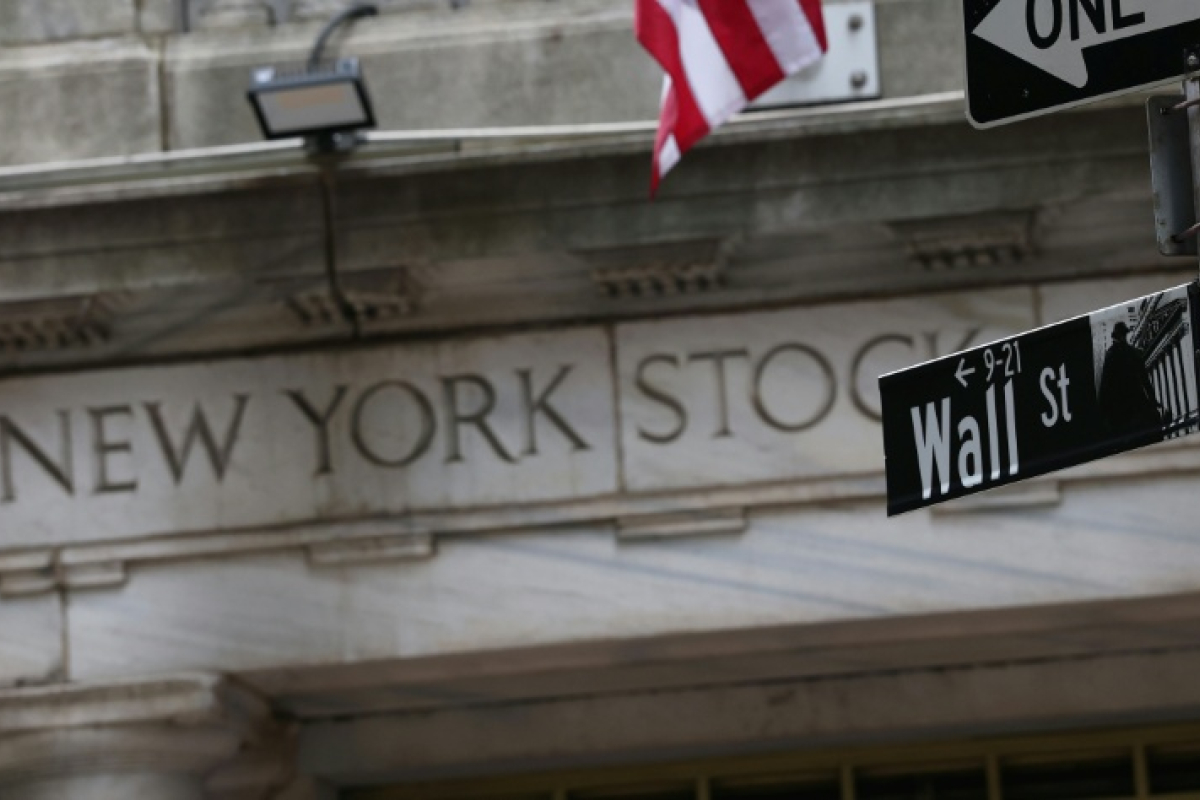
L’annonce d’un déblocage massif de barils de pétrole stockés par une trentaine d’Etats n’a pas permis d’apaiser les tensions sur les marchés ( AFP / TIMOTHY A. CLARY )
Despite an announcement of a large-scale release of oil reserves by roughly thirty nations, market tensions persisted on Wednesday, as investor nerves remained frayed following twelve days of conflict in the Middle East.
The 32 member countries of the International Energy Agency (IEA) unanimously agreed to release 400 million barrels from their strategic reserves, which the agency described as the “largest” release in its history.
News of the potential release had circulated prior to the official announcement, and the market reaction was only briefly impactful. The decision highlights ongoing market volatility surrounding geopolitical events.
Brent crude, the international benchmark, ultimately rose 4.76% to $91.98 per barrel on the day.
West Texas Intermediate (WTI), the U.S. Benchmark, gained 4.55%, closing at $87.25 per barrel.
“We have very little information on this announcement; we don’t know when it will come into effect, nor what the quality of the oil released will be,” commented Robert Yawger, a Mizuho USA oil analyst, to AFP.
Yawger also pointed to a lack of detail regarding the daily release volumes and the contribution from each participating country.
According to Alexandre Baradez, head of market analysis at IG France, half of the 400 million barrels will “barely compensate for what has already been lost” after ten days of fighting.
Several countries also made separate commitments to contribute to their own stockpiles, including former U.S. President Donald Trump, who announced plans to release “a little” from the U.S. Reserves.
“Releasing strategic petroleum reserves to lower prices may seem like a quick fix, but history shows that it is often only a temporary relief,” cautioned John Plassard, head of investment strategy at Cité Gestion Private Bank.
– Stock Markets See Moderate Declines –
The continued high price of oil – around $20 more expensive than before the conflict – once again drove stock markets lower.

La mise à l’arrêt d’une large partie des exportations d’hydrocarbures depuis le Golfe a tendu le marché pétrolier ( AFP / Philippe LOPEZ )
Disruptions to a significant portion of hydrocarbon exports from the Gulf region have tightened the oil market, and rising prices are fueling concerns about significant economic difficulties, particularly accelerating inflation.
On Wall Street, the Dow Jones Industrial Average lost 0.61%, and the S&P 500 fell 0.08%. The Nasdaq, heavily weighted toward technology stocks, managed to gain 0.08%.
In Europe, London and Paris declined by 0.56% and 0.19%, respectively, while Milan fell 0.95%.
Frankfurt experienced the largest decline on the continent (-1.37%), weighed down by a drop in shares of defense giant Rheinmetall (-8.02%).
Rheinmetall reported growth in its operating profit, revenue, and orders in 2025, but its 2026 forecasts were slightly below market expectations, according to a note from Berenberg bank.
– Interest Rates Rise –
Signaling ongoing market pressures, interest rates on sovereign debt across both sides of the Atlantic rose, driven by inflation concerns.
As of 8:55 PM GMT, the yield on the 10-year U.S. Treasury bond rose sharply to 4.23% compared to 4.16% at Tuesday’s close.
The interest rate on German debt with the same maturity, a European benchmark, reached 2.94% versus 2.83% at the close of trading the previous day. The French equivalent climbed to 3.57%, up from 3.44% on Tuesday evening.
European Central Bank (ECB) President Christine Lagarde stated on Tuesday that the monetary institution would do “whatever is necessary” to ensure that “inflation is under control” despite the energy price surge caused by the conflict in the Middle East.
The British 10-year interest rate reached 4.68%, compared to 4.55%.
