
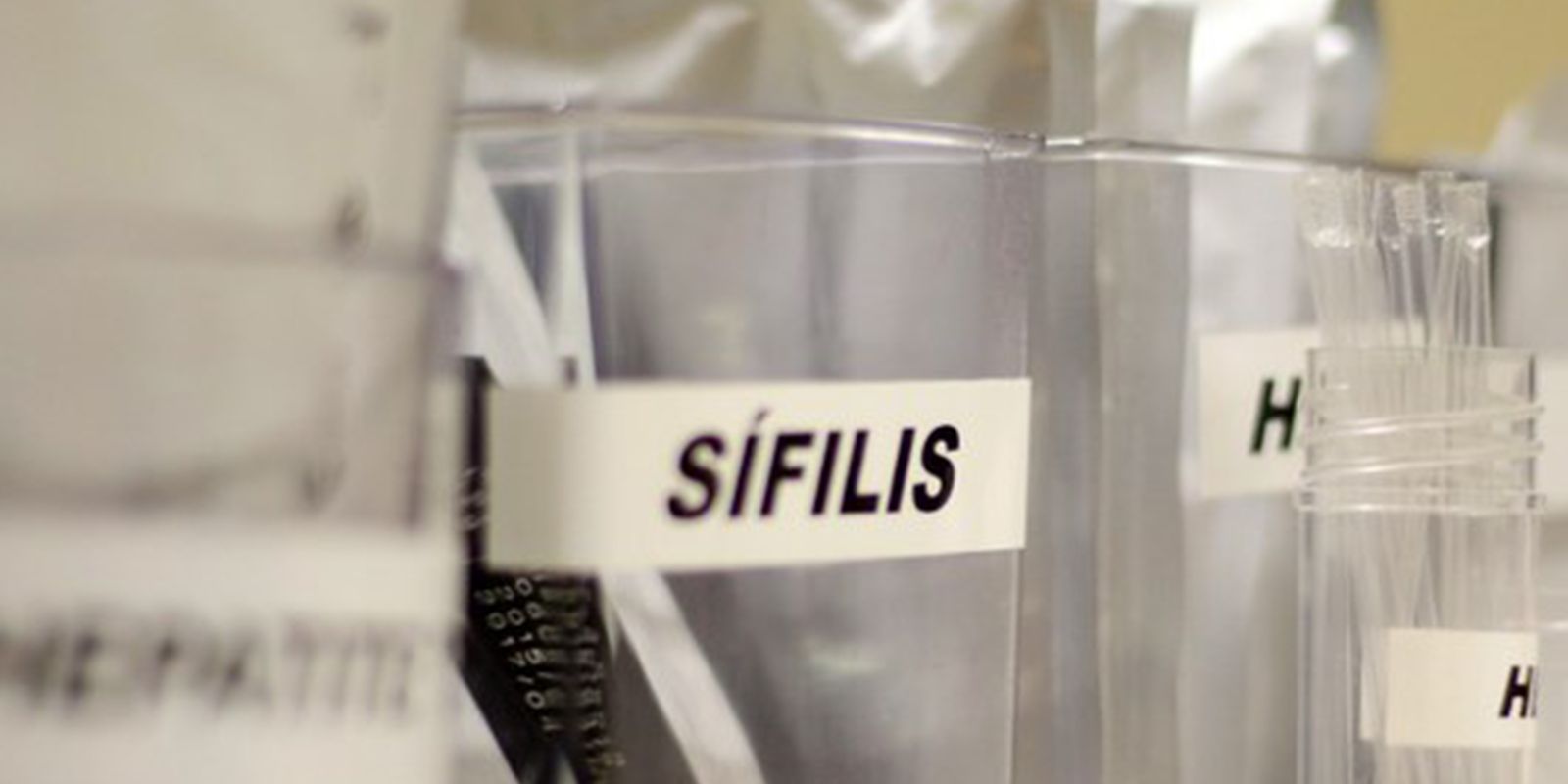
Brazil’s Unified Health System (SUS) is expanding access to the antibiotic doxycycline 100mg as a preventative measure against sexually transmitted infections (STIs). The change, announced on March 13, 2026, will allow the medication to be used after potential exposure to infections like syphilis, and chlamydia. This move aims to curb the spread of these bacterial STIs, which can have serious health consequences if left untreated.
A notice published in the Official Gazette details that doxycycline 100mg will now be offered as post-exposure prophylaxis to prevent bacterial STIs—specifically chlamydia and syphilis—among the population.
The expanded use of the antibiotic was approved by the National Commission for the Incorporation of Technologies into the Unified Health System (Conitec). Technical areas within the health system have up to 180 days to fully implement the program within SUS.
Understanding the Infections
The Ministry of Health emphasizes that syphilis is a curable human infection caused by the bacterium Treponema pallidum. The infection can manifest in various stages, including primary, secondary, latent, and tertiary syphilis. Transmission occurs through sexual contact—oral, vaginal, or anal—particularly when there is contact with lesions without the use of a condom, and can also be passed from a pregnant person to their baby during pregnancy or childbirth.
Chlamydia is also a sexually transmitted infection, often affecting the genitals but potentially impacting the throat and eyes as well. According to health officials, both men and women with active sex lives can be affected. The infection is spread through anal, oral, or vaginal sexual contact, or congenitally from mother to baby during gestation. This proves not transmitted through blood transfusions, but individuals with an infection should inform healthcare professionals if they wish to donate blood.
The availability of preventative antibiotics represents a significant step in public health efforts to control the spread of these common STIs and reduce their impact on individuals and communities.
